
Chemical Safety: Master Pool Hazards Safely
July 7, 2026
Pet Safety: Foolproof Pool Tips for Dogs
July 10, 2026
- Why Every Child Needs Swimming Lessons: A Foundation for Safety
- The Crucial Role of Water Acclimation
- Beyond Safety: Holistic Development through Swimming
- Choosing the Right Swimming Lessons for Your Child
- Navigating the Learning Journey
- The Lifelong Gift of Water Competency
Swimming Lessons are more than just a recreational activity; for children, they are a fundamental life skill, a crucial safety measure, and a gateway to a world of physical and mental benefits. In a world where water is an ever-present element – from backyard pools and public beaches to bathtubs and lakes – equipping children with the ability to navigate it safely is one of the most proactive steps any parent can take. This article will explore why these lessons are not just beneficial but absolutely essential for every child, emphasizing safety, skill development, and the long-term advantages they provide.
Why Every Child Needs Swimming Lessons: A Foundation for Safety
The most compelling reason for enrolling a child in swimming lessons is undeniably safety. Drowning remains a leading cause of accidental death for young children globally. While constant supervision is paramount, there’s an undeniable peace of mind that comes from knowing your child possesses the skills to self-rescue or to stay afloat should they accidentally fall into water. Professional instruction teaches children not just how to swim, but critically, how to react calmly and effectively in an unexpected water situation. This foundation of safety extends beyond just preventing the worst-case scenario; it empowers children to enjoy water environments responsibly and confidently.
The Crucial Role of Water Acclimation
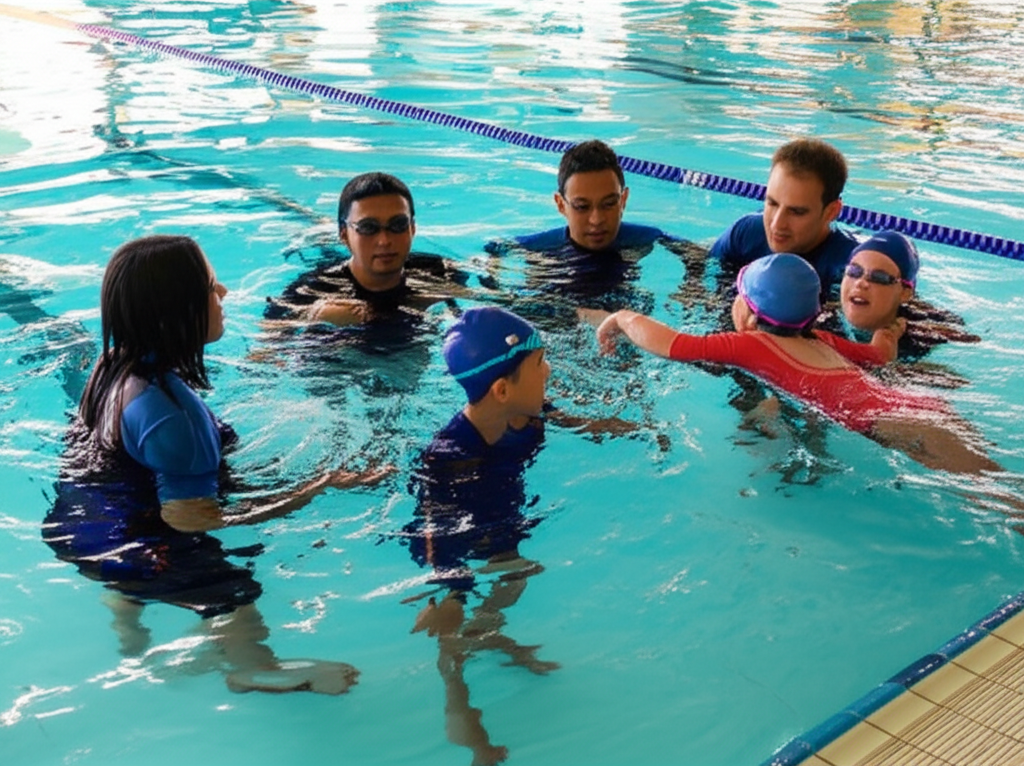
Before strokes can be perfected, or even basic floating mastered, children must first become comfortable in the water. This is where Water Acclimation comes in – a gentle, step-by-step process designed to help young children feel safe and at ease in an aquatic environment. It often involves playful activities, songs, and games that introduce children to getting their faces wet, blowing bubbles, floating on their backs and stomachs, and eventually, submerging briefly.
This initial phase is vital because it addresses any apprehension or fear a child might have, transforming potential anxiety into curiosity and enjoyment. Instructors focus on building trust and positive associations with water, ensuring that subsequent learning happens in a relaxed and receptive state. For infants and toddlers, early water acclimation classes, often with a parent in the water, lay the groundwork for formal swimming instruction by fostering familiarity and comfort from a very young age. This natural progression makes the transition to learning specific swimming techniques smoother and more effective.
Beyond Safety: Holistic Development through Swimming
While drowning prevention is the primary driver, the benefits of Swimming Lessons cascade into numerous areas of a child’s development:
Physical Health: Swimming is a full-body workout that enhances cardiovascular health, builds strength and endurance without putting stress on joints, and improves flexibility and balance. It’s an excellent way to combat childhood obesity and promote an active lifestyle.
Cognitive Development: Learning to swim involves a sequence of movements and commands, which stimulates brain development. It improves coordination, motor skills, and proprioception (the sense of where one’s body is in space).
Mental and Emotional Growth: Mastering a new skill like swimming significantly boosts a child’s self-esteem and confidence. Overcoming challenges in the water fosters resilience, discipline, and problem-solving abilities. The focus and concentration required during lessons can also improve attention spans.
Social Skills: Group swimming lessons provide opportunities for children to interact with peers, learn to share, take turns, and follow instructions from an adult other than their parents, enhancing their social competencies.
Discipline and Routine: Regular attendance at lessons instills a sense of routine and commitment, valuable traits that transcend into other areas of a child’s life.
Choosing the Right Swimming Lessons for Your Child
Selecting the appropriate swimming program is key to a positive and effective learning experience. Consider the following:
Qualified and Certified Instructors: Ensure instructors are certified in CPR, first aid, and hold recognized swimming instructor qualifications. Experience with children is also a huge plus.
Age-Appropriate Curriculum: Programs should be tailored to the developmental stage of the child. Infant and toddler programs will focus on water acclimation and basic safety, while older children will progress to stroke development.
Small Class Sizes: Smaller groups allow for more individualized attention and quicker progress.
Facility Safety and Cleanliness: The pool environment should be clean, well-maintained, and comply with all safety regulations. Look for lifeguards on duty during open swim times.
Positive Learning Environment: The atmosphere should be encouraging and fun, focusing on progress and effort rather than just perfection.
Navigating the Learning Journey
Patience is a virtue when it comes to learning to swim. Children learn at different rates, and consistency is more important than speed. A typical progression involves:
1. Water Acclimation: Getting comfortable, blowing bubbles, floating.
2. Basic Survival Skills: Learning to safely enter and exit the water, back floating, treading water.
3. Fundamental Strokes: Introduction to front crawl (freestyle), backstroke, and basic breaststroke.
4. Stroke Refinement and Endurance: Developing efficient technique, increasing stamina, and learning advanced skills.
Remember that the goal is not just to teach a child to “swim” a few strokes, but to make them truly water competent – capable of handling themselves safely and confidently in various aquatic situations.
The Lifelong Gift of Water Competency
Enrolling your child in swimming lessons is an investment in their safety, health, and overall well-being. It provides them with a critical life skill that could one day save their life, while simultaneously opening doors to a lifetime of enjoyment in and around water. From family vacations at the beach to pool parties with friends, and even competitive swimming or other water sports, being water competent enhances countless experiences. It embodies the true meaning of giving a child a gift that keeps on giving – confidence, capability, and the absolute freedom to safely explore the aquatic world.