Swimming Lessons: Essential & Safe for Kids
July 9, 2026
Vinyl Liner Patch: Proven, Effortless Pool Leak Fix
July 12, 2026
- Understanding the Risks: Why Pool Safety is Paramount
- Essential Preparations for Pet Safety Around the Pool
- Making the Splash: Key Safety Practices for Dogs and Pools
- Post-Swim Care: Beyond the Pool
- Prepare for the Unexpected: Emergency Protocols
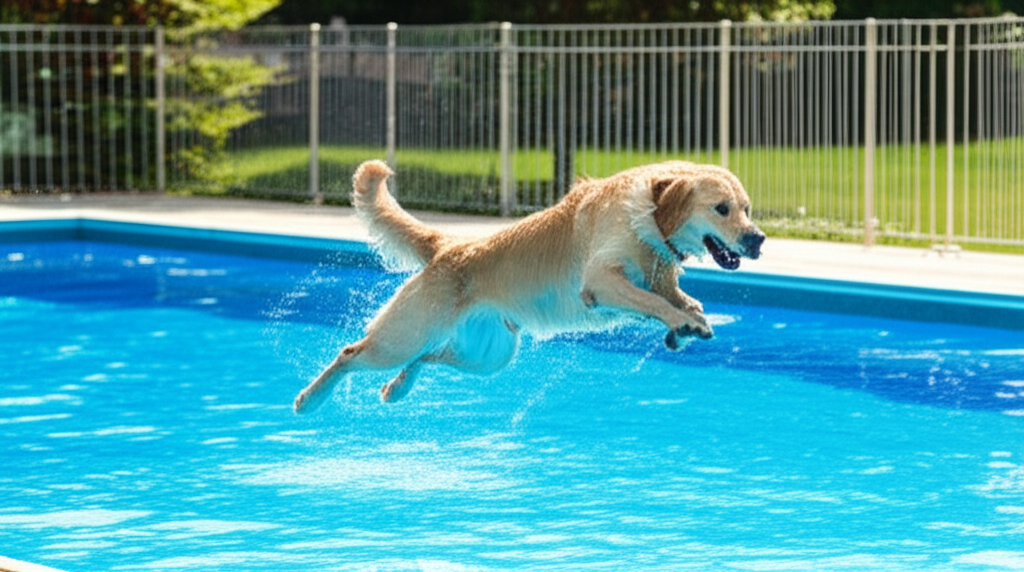
Dogs and Pools can be a fantastic combination for summer fun, offering a refreshing way for your canine companion to cool off, get exercise, and bond with the family. However, the allure of a sparkling blue pool comes with inherent risks that responsible pet owners must address. While many dogs intuitively take to water, not all are natural swimmers, and even the strongest paddlers can face dangers. Ensuring your furry friend’s safety around the pool isn’t just about preventing accidents; it’s about creating a secure environment that allows for worry-free enjoyment.
This comprehensive guide will equip you with foolproof tips to make pool time a safe and joyful experience for your dog, emphasizing proactive measures and vigilant supervision.
Understanding the Risks: Why Pool Safety is Paramount
Before diving into specific tips, it’s crucial to understand why pool safety for dogs is so vital. Many assume all dogs can swim, thanks to common phrases like “doggy paddle.” In reality, breeds with heavy chests, short snouts (brachycephalic breeds like Bulldogs or Pugs), or short legs can struggle immensely in water. Even strong swimmers can become disoriented, exhausted, or fall victim to hidden hazards.
Common pool dangers for dogs include:
Drowning: The most severe risk, often due to inability to swim, disorientation, or fatigue.
Exhaustion: Over-exertion can lead to muscle cramps, rapid breathing, and even heatstroke.
Chlorine or Chemical Ingestion: Dogs can drink pool water, leading to stomach upset, vomiting, or diarrhea.
Slips and Falls: Wet pool decks are slippery, potentially causing sprains, fractures, or head injuries.
Hypothermia: Especially in colder water or for smaller dogs with less body fat.
Ear Infections: Water trapped in the ear canal creates a perfect breeding ground for bacteria and yeast.
Essential Preparations for Pet Safety Around the Pool
Creating a safe pool environment begins long before your dog jumps in. These preventative measures are your first line of defense.
1. Secure Fencing and Covers: This is non-negotiable. A sturdy, unclimbable fence (at least 5-6 feet high, with self-latching gates that open outwards) around the pool area can prevent accidental falls when you’re not supervising. Similarly, a high-quality, weight-bearing pool cover can prevent tragic incidents during off-seasons or when the pool is not in use.
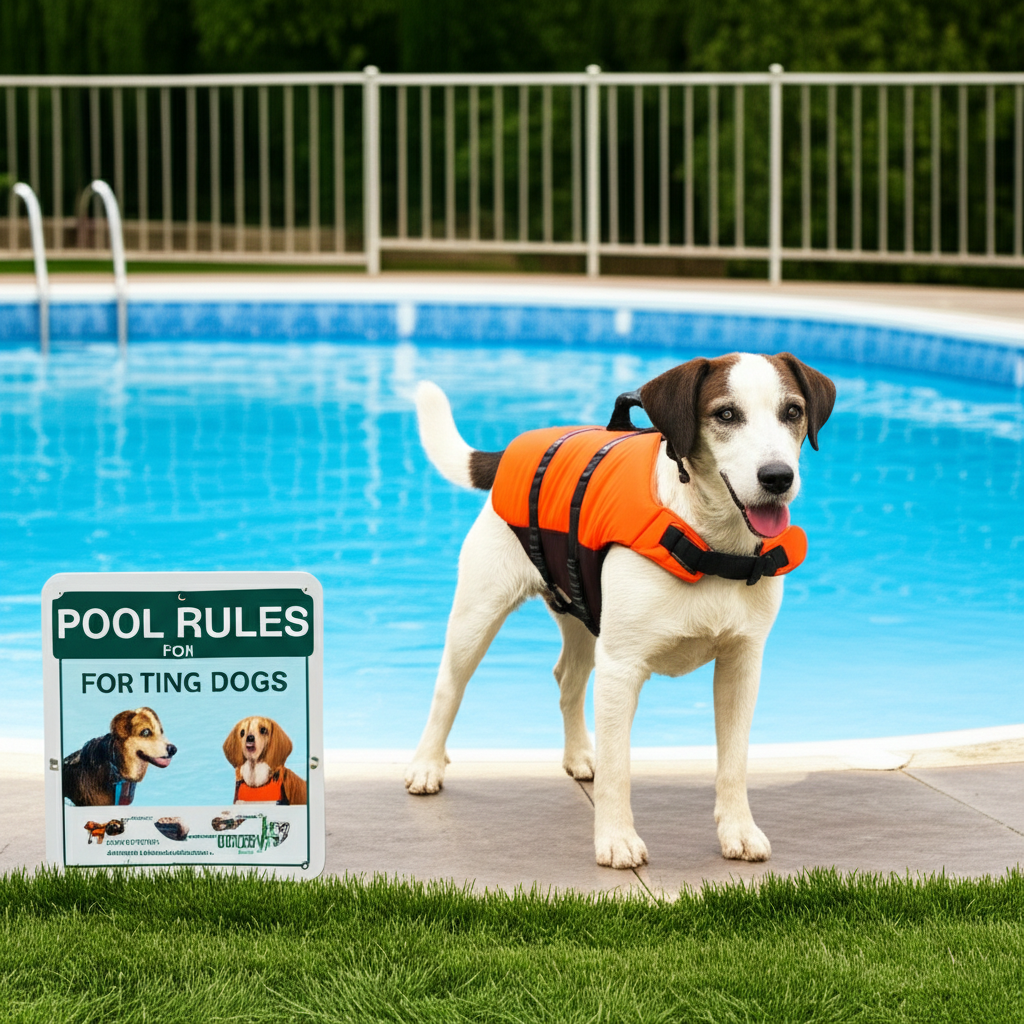
2. Invest in a Dog Life Vest: Even if your dog is a good swimmer, a well-fitting life vest provides extra buoyancy, improves visibility, and has handles for easy retrieval. This is especially crucial for puppies, older dogs, or breeds not naturally inclined to swim. Look for vests with bright colors and reflective strips.
3. Teach Pool Entry and Exit Points: Your dog needs to know how to get out of the pool. Show them the steps, ramp, or shallow end repeatedly. Lure them with treats and praise each time they successfully exit. Repeat this process many times, and even practice guiding them to the exit from different points in the pool. Some owners install a safety ramp specifically designed for pets.
4. Basic Water Introduction and Commands: Never throw your dog into the water. Introduce them gradually, starting in the shallow end. Use positive reinforcement. Teach commands like “swim,” “come,” and “stay” in and around the water.
Making the Splash: Key Safety Practices for Dogs and Pools
When it’s time to enjoy the water, vigilance and consistent practices are paramount.
1. Constant Supervision is Non-Negotiable: Never, ever leave your dog unsupervised in or around the pool. Even a moment’s distraction can lead to an accident. Your presence is the most effective safety device.
2. Regular Breaks and Hydration: Swimming is hard work! Ensure your dog takes frequent breaks to rest and cool down outside the pool. Always provide fresh, clean drinking water nearby to discourage them from drinking chlorinated pool water, which can cause digestive issues.
3. Limit Swim Time: Even strong swimmers can get tired. Monitor your dog for signs of fatigue, such as lagging behind, heavy panting, or struggling to keep their head above water. Shorter, more frequent swims are better than one long session.
4. Practice Emergency Rescues: Familiarize yourself with how you would get your dog out of the pool quickly in an emergency, especially if they are a larger breed. Know how to safely lift them or use the life vest’s handles. Consider enrolling in a pet CPR and first-aid course.
5. Educate Guests: If you have guests over, ensure they understand the pool rules regarding your dog. Remind them not to leave gates open and to supervise the dog around the water.
Post-Swim Care: Beyond the Pool
The fun doesn’t end when your dog leaves the water; proper post-swim care is vital for their health and comfort.
1. Thorough Rinsing: Immediately after swimming, rinse your dog thoroughly with fresh water to remove chlorine, salt, or other pool chemicals that can irritate their skin or be ingested during grooming.
2. Ear Care: Water can easily get trapped in a dog’s ears, leading to painful ear infections. Gently dry their ears with a towel, and for breeds prone to infections (like those with floppy ears), consider using a vet-recommended ear-drying solution.
3. Skin and Coat Check: Inspect their skin for any irritation, rashes, or dry patches. Also, check their paw pads for any cuts or abrasions from rough pool surfaces.
4. Snack and Rest: Offer a healthy, hydrating treat and let your dog rest in a cool, comfortable spot. Swimming is tiring, and they’ll appreciate the chance to recover.
Prepare for the Unexpected: Emergency Protocols
Even with the best precautions, accidents can happen. Being prepared can make all the difference.
Locate Emergency Services: Have your veterinarian’s number and the nearest emergency vet clinic’s contact information readily available.
Pet First Aid Kit: Keep a well-stocked pet first aid kit on hand, including bandages, antiseptic wipes, and relevant medications.
* Learn Pet CPR: Knowing how to perform CPR on a dog can be a life-saving skill in a drowning emergency.
By implementing these foolproof tips, you can transform your pool into a safe oasis for your dog, allowing both of you to create joyful, splash-filled memories for years to come. Pet safety around water is an ongoing commitment, but with awareness and preparation, you can ensure that every dip is a delight.