
Virginia Graeme Baker Act: Crucial & Easy Compliance
July 5, 2026Swimming Lessons: Essential & Safe for Kids
July 9, 2026
- Why Pool Chemical Safety Matters
- Understanding Your Pool Chemicals
- Essential Practices for Chemical Safety
- Mastering Acid Handling for Pool Maintenance
- Emergency Preparedness
- Ongoing Vigilance and Training
Chemical Safety is paramount when it comes to maintaining a sparkling clean and healthy swimming pool. While the joy of a refreshing dip is undeniable, the chemicals required to keep pool water safe can pose significant hazards if not handled with the utmost care and knowledge. Mastering these hazards is not just about compliance; it’s about protecting yourself, your family, and everyone who enjoys your pool. This article will guide you through the essential practices and critical considerations for ensuring chemical safety in your pool environment.
Why Pool Chemical Safety Matters
Maintaining a pool involves a delicate balance of chemicals that sanitize the water, adjust pH levels, and maintain alkalinity. Common pool chemicals include chlorine (in various forms like granular, liquid, or tablets), muriatic acid or dry acid (for lowering pH), soda ash or baking soda (for raising pH/alkalinity), and calcium hardness increasers. Each of these substances, while vital for water quality, carries inherent risks:
Corrosive Nature: Many chemicals, especially acids and strong bases, can cause severe burns to skin and eyes.
Respiratory Irritation: Fumes from certain chemicals, particularly chlorine and acids, can irritate the respiratory system, leading to coughing, wheezing, or more severe respiratory distress.
Toxic Fumes: Incorrectly mixing chemicals can produce highly toxic gases that are extremely dangerous and potentially fatal.
Flammability/Reactivity: Some chemicals are oxidizers or can react violently with organic materials or other chemicals, leading to fires or explosions.
Understanding these risks is the first step toward creating a safe pool maintenance routine.
Understanding Your Pool Chemicals
Before you can safely handle pool chemicals, you need to understand what you’re working with.
Chlorine-Based Sanitizers: These are the workhorses of pool cleaning, killing bacteria and algae. They come as liquid chlorine (sodium hypochlorite), granular shock (calcium hypochlorite or dichlor), or stabilized tablets (trichlor). Each has specific handling instructions due to its concentration and reactivity.
pH Adjusters:
Acids: Muriatic acid (hydrochloric acid) and sodium bisulfate (dry acid) are used to lower pH and total alkalinity. Muriatic acid, in particular, is highly corrosive and emits strong fumes.
Bases: Soda ash (sodium carbonate) and baking soda (sodium bicarbonate) are used to raise pH and total alkalinity. While less dangerous than acids, they can still cause irritation.
Alkalinity & Calcium Hardness Increasers: These help stabilize pH and protect pool surfaces.
Algaecides & Clarifiers: While generally less hazardous than primary sanitizers, they still require careful handling.
Always read comprehensive product labels and Safety Data Sheets (SDS) to fully grasp the properties and precautions for each chemical.
Essential Practices for Chemical Safety
Adhering to a strict set of safety protocols is non-negotiable for anyone involved in pool maintenance.
1. Read and Understand Labels: This cannot be stressed enough. Every chemical product comes with instructions for use, storage, and emergency procedures. Take the time to read them thoroughly before opening any container.
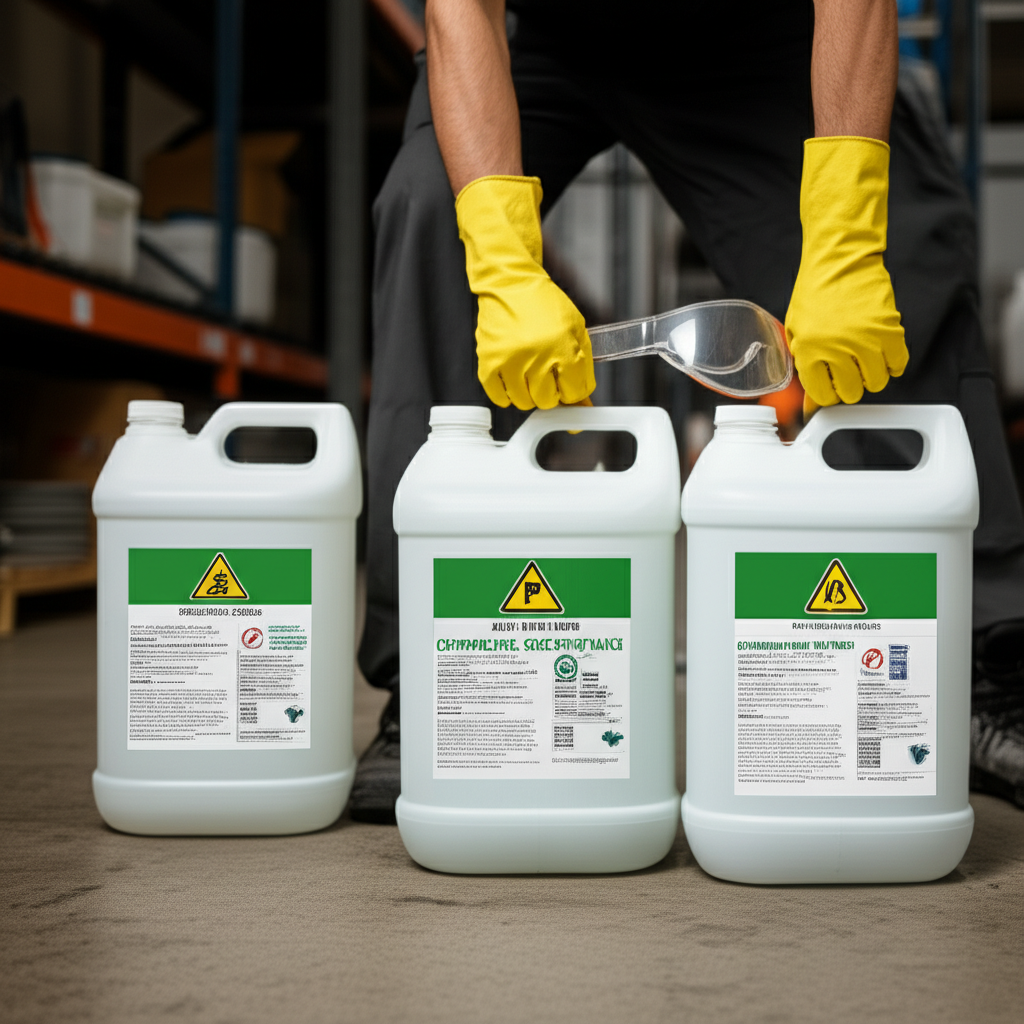
2. Personal Protective Equipment (PPE): Always wear appropriate PPE. This typically includes:
Safety Glasses or Goggles: To protect your eyes from splashes and fumes.
Chemical-Resistant Gloves: Rubber or neoprene gloves are essential to protect your hands.
Long Sleeves and Pants: To protect skin from accidental splashes.
Closed-Toe Shoes: To prevent chemical contact with feet.
Respirator (Optional but Recommended for Fumes): Especially when handling strong acids or large quantities of granular products in poorly ventilated areas.
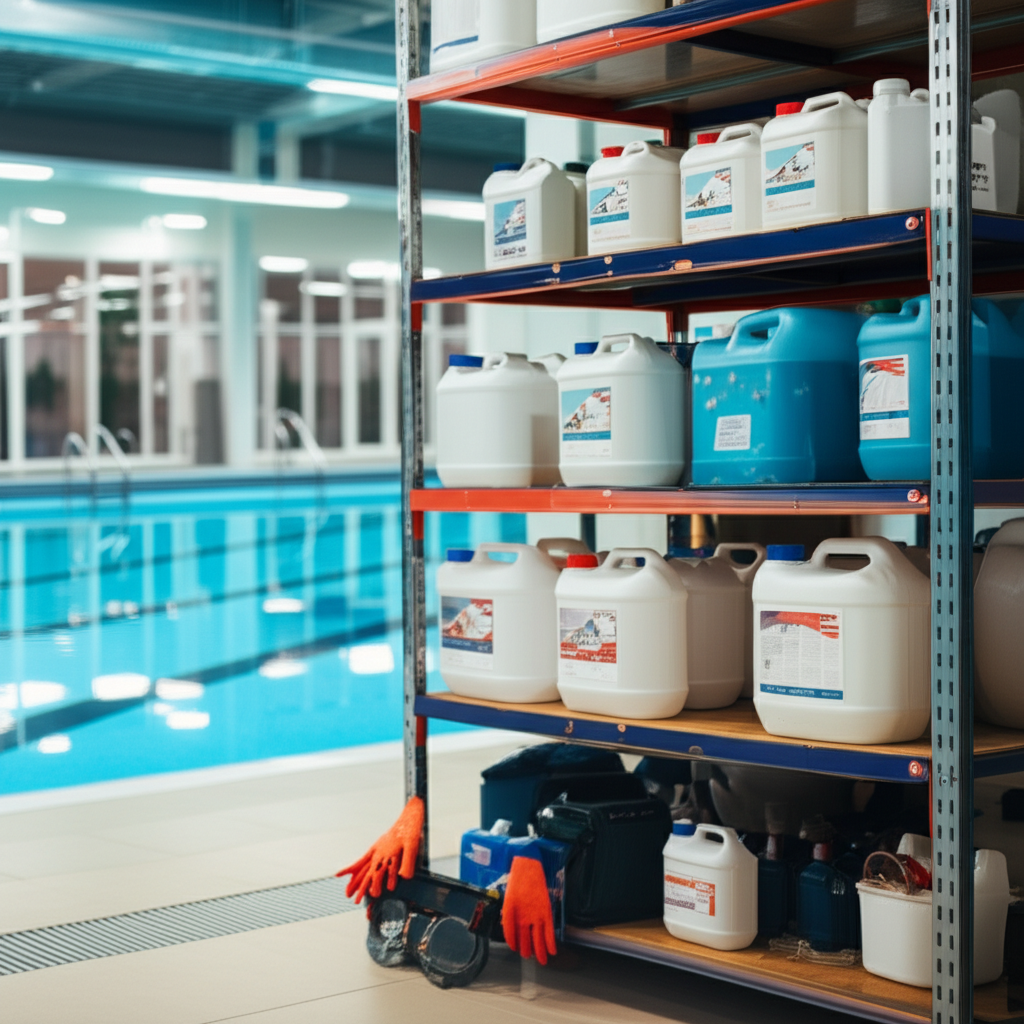
3. Proper Storage:
Store chemicals in a cool, dry, well-ventilated area, away from direct sunlight and heat sources.
Separate incompatible chemicals. Never store acids near chlorine products, as this can create dangerous toxic gas. Keep liquids away from powders.
Store chemicals in their original, clearly labeled containers with tight-fitting lids.
Keep chemicals out of reach of children and pets.
Elevate containers off the floor to prevent moisture absorption.
4. Never Mix Chemicals: This is a golden rule with no exceptions. Mixing different pool chemicals, even seemingly similar ones, can result in violent reactions, fires, explosions, or the release of deadly gases. Always add chemicals to water, never water to chemicals, and always one at a time, allowing for proper dilution and circulation before adding the next.
5. Proper Dosing and Application: Follow the manufacturer’s recommended doses. Overdosing can be dangerous for swimmers and damage pool equipment. Always add chemicals slowly and carefully, preferably with the pump running, to ensure even distribution and prevent concentrated areas.
6. Ventilation: Always handle chemicals in a well-ventilated area to dissipate fumes.
Mastering Acid Handling for Pool Maintenance
Special attention must be paid to acid handling, particularly with muriatic acid, often used to lower pH and alkalinity. Its corrosive nature and potent fumes make it one of the most hazardous chemicals in pool maintenance.
Enhanced PPE: When working with muriatic acid, consider wearing a face shield in addition to safety goggles, and always use heavy-duty chemical-resistant gloves. A respirator rated for acid fumes might also be advisable, especially in enclosed spaces.
Dilution Protocol: The critical rule for acids is to always add acid to water, never water to acid. Adding water to concentrated acid can cause a violent, exothermic reaction, leading to dangerous splashes and steam. Pour the acid slowly and carefully into a bucket of water (or directly into the pool, according to professional guidelines) using a plastic measuring container.
Working with Care: Avoid splashing. Work slowly and keep a water hose nearby as a first-line defense for spills or splashes on skin.
Safe Spill Management: Have appropriate spill containment materials on hand. For acid spills, a neutralizer like soda ash (sodium carbonate) can be used, followed by plenty of water.
Emergency Preparedness
Despite all precautions, accidents can happen. Being prepared is crucial.
First Aid Stations: Have an eyewash station or a readily accessible hose with clean water near your chemical storage and handling areas. Know the location of your nearest first aid kit.
Emergency Contacts: Keep emergency numbers (Poison Control, local fire department, paramedics) easily accessible.
Spill Kits: For more significant spills, a hazardous material spill kit suitable for pool chemicals can be invaluable. This usually includes absorbent materials, neutralizing agents, and proper disposal bags.
Know the Symptoms: Be aware of the symptoms of chemical exposure, such as eye irritation, skin burns, coughing, difficulty breathing, or dizziness.
Ongoing Vigilance and Training
Maintain a proactive approach to chemical safety. Regularly inspect chemical containers for leaks or damage. Keep your chemical storage area tidy and organized. If you employ pool service technicians, ensure they are properly trained and follow all safety protocols. Educate everyone who handles pool chemicals on the risks and procedures.
By embracing vigilant practices and understanding the properties of the chemicals you use, you can confidently maintain a beautiful, healthy pool, ensuring that fun in the sun remains safe for everyone. Your commitment to proper chemical handling is the foundation of a hazard-free swimming experience.