Pool Light Repair: Quick & Easy Bulb Replacement
July 25, 2026
- Understanding Water Bugs: Your Pool's Unwanted Guests
- Proactive Prevention: The First Line of Defense Against Water Bugs
- Maintaining Impeccable Water Chemistry
- Optimize Filtration and Circulation
- Strategic Lighting Choices
- Eliminate Food Sources and Debris
- Physical Barriers and Active Removal
- The Power of the Pool Cover
- Manual Removal Techniques
- Targeted Treatments for Persistent Water Bugs
- Addressing the Surroundings: Beyond the Pool Edge
- When to Call a Professional
Water Bugs can transform your sparkling blue oasis into a frustrating, critter-filled pond faster than you might think. These unwelcome guests are a common nuisance for pool owners, presenting an unsightly problem and sometimes even a biting hazard. The good news is that with a proactive strategy and consistent effort, you can significantly reduce their presence and maintain a clean, inviting swimming environment. This ultimate guide will walk you through everything you need to know about understanding, preventing, and eliminating these persistent pests from your pool.
Understanding Water Bugs: Your Pool’s Unwanted Guests
Before you can effectively combat water bugs, it’s important to know who you’re up against. Several common types of aquatic insects are drawn to pools:
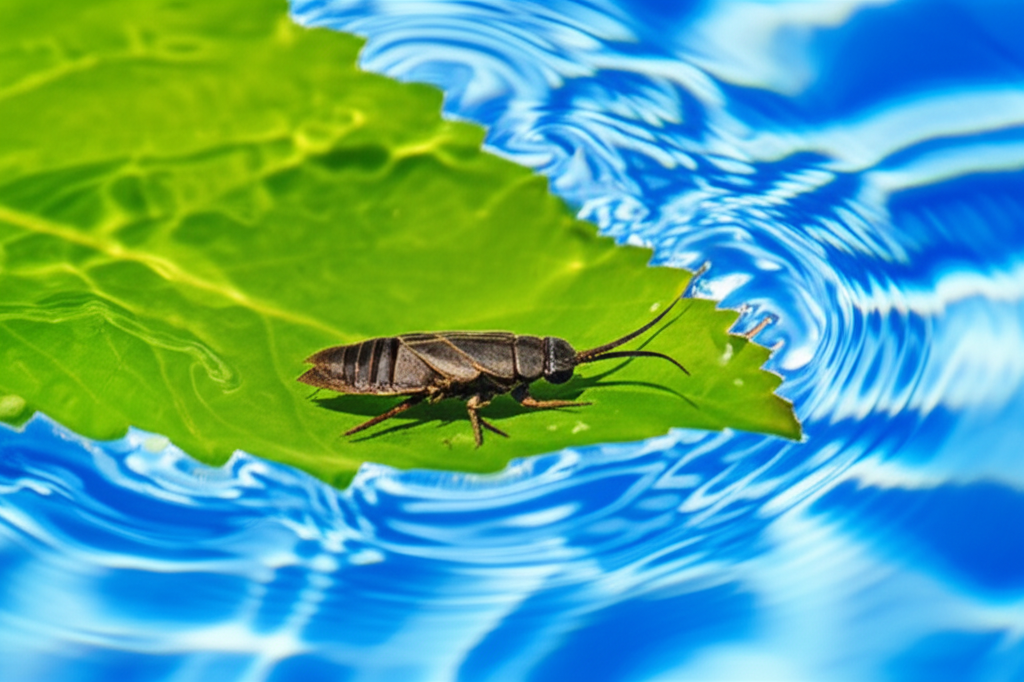
Water Boatmen (Corixidae): These oval-shaped bugs are typically brown or green, up to half an inch long, and swim upright. They feed on algae and decaying organic matter in the water. While harmless to humans, their presence indicates an underlying issue.
Backswimmers (Notonectidae): Similar in size to water boatmen but often lighter in color, backswimmers live up to their name by swimming upside down, using their long hind legs like oars. Unlike water boatmen, backswimmers are predatory and can deliver a painful bite if handled, often described as similar to a bee sting.
Diving Beetles (Dytiscidae): These are larger, typically black or dark brown beetles that can breathe underwater by carrying an air bubble under their wing covers. Both adult and larval diving beetles feed on other insects and are strong swimmers.
Mosquito Larvae (Wigglers): While not technically “bugs” in the same sense as the others, mosquito larvae thrive in standing water and are a significant health concern. They look like small, wriggling worms and will develop into adult mosquitoes if not dealt with.
These critters are primarily attracted to pools for two main reasons: still water, which mimics their natural habitats, and food sources, particularly algae and other small insects or organic debris.
Proactive Prevention: The First Line of Defense Against Water Bugs
The most effective way to deal with water bugs is to prevent them from settling in your pool in the first place. This involves consistent maintenance and smart pool management.
Maintaining Impeccable Water Chemistry
Properly balanced pool water is crucial. Water bugs, especially water boatmen, are attracted to pools with high levels of algae and organic matter.
pH Levels: Keep your pH between 7.4 and 7.6.
Chlorine Levels: Maintain free chlorine between 1-3 ppm. Regular shocking will also help oxidize organic contaminants and kill off existing algae and microorganisms that bugs feed on.
Alkalinity and Calcium Hardness: Ensure these are within recommended ranges (80-120 ppm for alkalinity, 200-400 ppm for calcium hardness) for overall water stability.
When your chemistry is pristine, the water becomes less hospitable for algae growth and less appealing to bugs looking for food.
Optimize Filtration and Circulation
A strong filtration system running for adequate periods is non-negotiable.
Run Your Pump: Operating your pool pump for at least 8-12 hours a day, especially during peak season, keeps the water moving, making it less attractive for bugs that prefer still water. Good circulation also ensures chemicals are evenly distributed and debris is filtered out.
Backwash and Clean Filters: Regularly backwash your sand or DE filter, or clean your cartridge filter, to ensure maximum efficiency. A dirty filter can hinder circulation and lead to cloudy water, promoting algae growth.
Strategic Lighting Choices
Many types of insects, including water bugs and the insects they prey upon, are drawn to light at night.
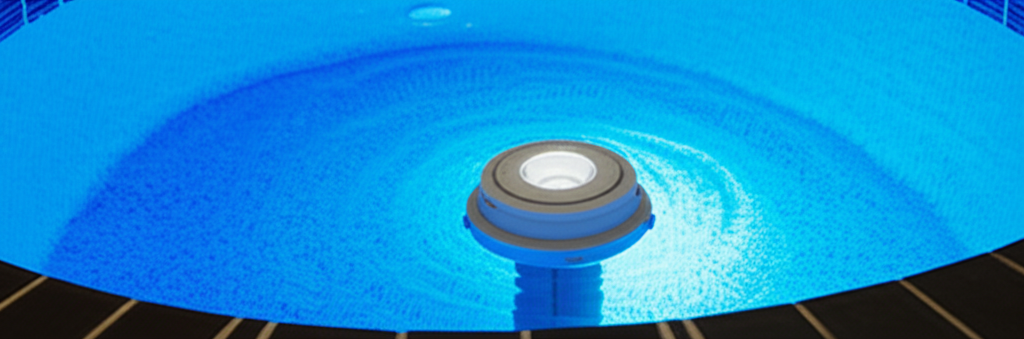
Turn Off Pool Lights: If your pool lights aren’t necessary, consider turning them off at night, particularly if you have a recurring bug problem.
Consider Yellow Bug Lights: For surrounding areas, use yellow bug lights, which emit a spectrum less attractive to insects.
Position Lights Away from the Pool: If possible, position outdoor lighting away from the pool area to draw bugs to other spots.
Eliminate Food Sources and Debris
This is perhaps the most critical step. If there’s no food, bugs won’t stay.
Algae Control: Algae is a primary food source for water boatmen. Regular brushing, proper sanitation, and the occasional use of an algaecide (as a preventative or treatment) are vital.
Skim Regularly: Daily skimming removes leaves, pollen, and other organic debris that can break down and fuel algae growth or directly become a food source for bugs.
Brush Pool Walls and Floor: Brushing dislodges algae and dirt, sending it to the filter and preventing it from accumulating.
Physical Barriers and Active Removal
Even with excellent prevention, some bugs might still find their way in. Here’s how to physically manage them.
The Power of the Pool Cover
Solar Covers: Ideal for retaining heat and reducing evaporation, solar covers also act as a physical barrier against bugs. Critters landing on the cover will likely get trapped or dehydrate before finding their way into the water.
Safety Covers: When closing your pool for the season, a safety cover is impenetrable, keeping out all debris and bugs.
Manual Removal Techniques
Skimming Net: Invest in a good quality, fine-mesh skimming net and use it extensively. Daily skimming is your first line of defense against floating debris and bugs.
Pool Vacuum: Manual or robotic pool vacuums are excellent for removing debris and bugs that have settled on the bottom. Robotic cleaners can also scrub surfaces and help circulate water.
Targeted Treatments for Persistent Water Bugs
If prevention and physical removal aren’t quite enough, you might need to employ targeted treatments.
Enzyme Products: Adding enzyme-based pool chemicals can help break down organic contaminants like oils, lotions, and dead skin cells, which bugs can feed on. By reducing the organic load, you make your pool less appealing.
Algaecides: If algae is a consistent problem, a non-foaming algaecide can supplement your chlorination efforts, making the pool water inhospitable for algae and, consequently, for water boatmen. Always choose products safe for swimming pools and follow manufacturer instructions.
Shock Treatment: Regular super chlorination (shocking) effectively kills existing algae, bacteria, and other microorganisms, making the water less attractive to bugs. It also helps break down organic waste.
Important Note: Avoid using household insecticides or dish soap directly in your pool water. These products are not designed for pools and can introduce harmful chemicals, throw off your water chemistry, or damage your pool equipment. Always use products specifically formulated for swimming pools.
Addressing the Surroundings: Beyond the Pool Edge
Your yard can contribute to your water bug problem. Take a holistic approach to pest control.
Eliminate Standing Water: Remove any stagnant water sources in your yard, such as old tires, clogged gutters, bird baths (unless changed daily), or saucers under potted plants. These are prime breeding grounds for mosquitoes and other aquatic insects.
Maintain Landscaping: Trim bushes and keep grass cut short around the pool area. Mosquitoes and other bugs like to hide in overgrown vegetation.
* Ensure Proper Drainage: Make sure rainwater drains away from your pool area to prevent puddles.
When to Call a Professional
If you’ve tried everything and are still battling a persistent water bug problem, it might be time to consult a pool professional. They can offer advanced diagnostic services, identify underlying water chemistry issues, or recommend specialized treatments that are safe and effective for your specific pool and situation.
Ultimately, keeping your pool free of water bugs is an ongoing commitment to good maintenance. By understanding what attracts them and consistently applying preventive measures, you can ensure your pool remains a pristine and enjoyable haven all season long.