Building a Pool: Ultimate Guide to Effortless Setup
April 3, 2026
Fiberglass Pool: Must-Know Pros, Avoid Costly Cons
April 6, 2026
- Making a Splash: Deciding Between Inground and Above-Ground Pools
- The Lasting Allure of Inground Pools
- Exploring Your Pool Types: The Practicality and Joy of Above-Ground
- Making the Right Choice: Factors to Consider
- Conclusion
Making a Splash: Deciding Between Inground and Above-Ground Pools
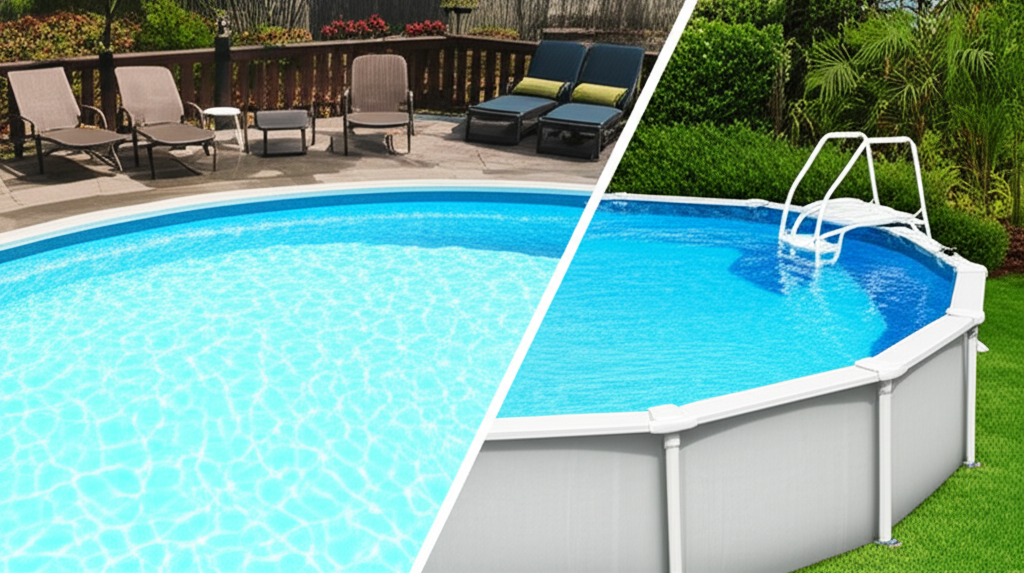
Inground or Above Ground – it’s the fundamental question that kickstarts the exciting journey of acquiring a backyard swimming pool. For many homeowners, the dream of having a private aquatic oasis is strong, offering endless summer fun, relaxation, and a perfect escape from the daily grind. However, before you dive headfirst into pool ownership, understanding the distinct characteristics, benefits, and drawbacks of these two primary pool types is crucial. Making the right choice hinges on your budget, lifestyle, space, and long-term vision.
Let’s explore both options to help you determine which pool will best suit your home and family.
The Lasting Allure of Inground Pools
For those envisioning a permanent, integrated extension of their home and landscape, inground pools often represent the pinnacle of backyard luxury. These pools are custom-built directly into the ground, offering unparalleled aesthetic appeal and a seamless blend with your outdoor environment.
Advantages of Inground Pools:
Superior Aesthetics: Inground pools offer a sophisticated, custom look. Their integrated design allows for creative landscaping, decking, and architectural features that enhance the overall beauty and value of your property.
Customization: The sky’s the limit when it comes to design. Choose from a vast array of shapes, sizes, depths, and materials (concrete/gunite, fiberglass, vinyl liner). Add features like waterfalls, infinity edges, built-in spas, mood lighting, and tanning ledges.
Durability & Longevity: Constructed from robust materials, inground pools are built to last decades, with proper maintenance. Concrete pools are particularly durable, though they may require resurfacing over time.
Increased Home Value: A well-designed and maintained inground pool is often viewed as a significant home improvement, potentially increasing your property’s resale value and appeal.
Enhanced Safety Features: Integrated covers, fencing, and deeper diving options can be more easily incorporated into inground designs.
Disadvantages of Inground Pools:
Significant Initial Cost: This is the most substantial drawback. Inground pools are considerably more expensive to purchase and install, often ranging from $30,000 to well over $100,000, depending on size, materials, and features.
Complex and Lengthy Installation: The construction process is extensive, involving excavation, plumbing, electrical work, and landscaping. It can take several weeks or even months and is quite disruptive.
Permitting & Regulations: Expect a complex permitting process with local authorities and strict adherence to zoning laws and safety codes.
Permanent Fixture: Once installed, an inground pool is a permanent feature. Relocating it is impossible, and removal is costly and disruptive.
Exploring Your Pool Types: The Practicality and Joy of Above-Ground
In contrast to the grand scale of inground installations, above-ground pools offer a more accessible, flexible, and budget-friendly entry into pool ownership. They sit on top of the ground, supported by a framework, and come in various sizes and shapes, primarily round or oval.
Advantages of Above-Ground Pools:
Affordability: The most compelling advantage is the significantly lower upfront cost, typically ranging from $2,000 to $15,000, depending on size, quality, and deck additions. This makes pool ownership attainable for a wider range of budgets.
Easier & Faster Installation: Above-ground pools can often be installed in a matter of days (or even hours for smaller models), rather than weeks or months. DIY installation is also a viable option for many.
Flexibility & Portability: While not truly “portable” in the sense of moving it daily, above-ground pools can be disassembled and relocated if you move homes. They are also a good option for renters or those unsure of long-term commitment.
Less Permitting & Regulations: While still requiring certain permits and safety fencing in most areas, the process is generally less complex and stringent than for inground pools.
Safety Perception: Due to their raised walls, many find above-ground pools offer a perceived safety benefit for young children, as accidental falls are less likely.
Disadvantages of Above-Ground Pools:
Aesthetic Limitations: While improved models exist, above-ground pools generally don’t offer the seamless integration or high-end look of inground options. They often require surrounding decks or landscaping to enhance their appearance.
Less Durable: Constructed from lighter materials like steel, aluminum, or resin frames with vinyl liners, above-ground pools typically have a shorter lifespan (5-15 years) compared to inground pools.
Limited Customization: Design options are primarily standardized shapes and sizes. While decking and accessories can be added, the pool itself offers limited personal touches.
Less Home Value Impact: Above-ground pools generally do not add significant resale value to a home, and some buyers may even see them as a potential removal cost.
Smaller Size & Depth Options: Most above-ground pools are shallower and smaller, limiting activities like diving.
Making the Right Choice: Factors to Consider
When weighing your options between an inground or above ground pool, consider the following critical factors:
1. Budget (Initial & Ongoing): Beyond the purchase and installation, factor in costs for maintenance (chemicals, cleaning equipment), utilities (pumping, heating), insurance, and potential repairs over time. Inground pools have higher initial costs, but both require ongoing investment.
2. Available Space: Measure your backyard carefully. Inground pools require significant clear space, not just for the pool itself but also for decking, equipment, and access during construction. Above-ground pools are more adaptable to smaller or uniquely shaped yards.
3. Local Regulations & Zoning: Always check with your local municipality regarding permits, setback requirements (how far the pool must be from property lines), fencing laws, and any other specific ordinances for both pool types.
4. Desired Usage & Lifestyle:
Laps or Diving: Inground pools offer deeper ends and longer stretches.
Family Fun & Kids: Both types provide this, but safety considerations (depth, fencing) are paramount.
Entertaining: Inground pools often lend themselves better to elaborate entertaining spaces.
* Relaxation: Both offer a place to unwind.
5. Aesthetics & Landscape Integration: How important is it for the pool to blend seamlessly with your property’s overall design? If visual appeal is a top priority, an inground pool might be worth the investment.
6. Maintenance Commitment: While both require maintenance, inground pools, particularly larger or more complex designs, can demand more time and effort. Consider if you’ll be doing it yourself or hiring a service.
7. Longevity & Investment: Are you looking for a long-term home enhancement or a more temporary solution?
Conclusion
Ultimately, the best choice between an inground or above-ground pool isn’t universal; it’s deeply personal. There’s no single “better” option, only the one that aligns most effectively with your specific needs, financial situation, and lifestyle aspirations. By carefully evaluating your priorities across budget, space, aesthetics, and intended use, you can confidently select the pool type that will bring years of enjoyment and create countless cherished memories in your own backyard oasis.