Inground or Above Ground: Best Pool Choice
April 5, 2026
Concrete Pool: Uncover Essential Pros & Cons
April 8, 2026
- The Undeniable Appeal: Why Choose a Fiberglass Pool?
- Avoiding Costly Cons: Understanding the Limitations
- Making the Right Choice for Your Backyard Oasis
Fiberglass Pool: A Comprehensive Guide to its Advantages and Potential Pitfalls
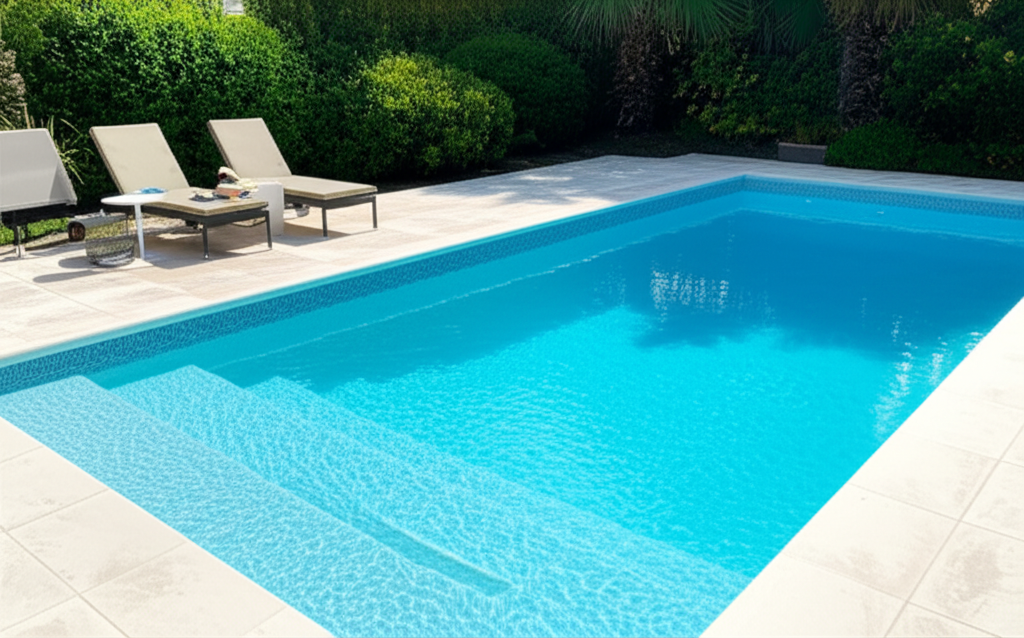
Fiberglass Pool installations are rapidly gaining traction among homeowners looking for a balance of durability, aesthetics, and ease of ownership. As a popular alternative to concrete and vinyl liner options, these pre-manufactured composite structures offer a unique set of benefits, but also come with certain limitations and considerations that prospective buyers must understand. Making an informed decision before diving into such a significant investment means thoroughly exploring both the compelling advantages and the costly cons.
The Undeniable Appeal: Why Choose a Fiberglass Pool?
The allure of a composite pool often lies in its sophisticated construction and the significant long-term savings it promises. Here are some of the must-know pros:
Exceptional Durability and Longevity: Manufactured in a controlled factory environment, fiberglass pools are incredibly strong and designed to last for decades. Unlike concrete, which can crack with ground movement, fiberglass offers flexibility, bending without breaking. The gel coat finish is extremely resilient against the elements and chemical exposure.
Remarkably Low Maintenance: This is arguably the biggest draw. The non-porous surface of a fiberglass pool significantly reduces the need for extensive cleaning and chemical treatments. Algae struggles to adhere to its smooth surface, meaning less scrubbing and fewer chemicals are required to maintain pristine water quality. This translates to substantial savings in time and money over the pool’s lifespan.
Rapid Installation Process: Because fiberglass pools are pre-fabricated shells, installation is remarkably swift compared to other types. Once the excavation is complete and the site is prepared, the shell is delivered and lowered into place. The entire process, from excavation to filling with water, can often be completed in a matter of days or weeks, rather than months.
Comfortable, Smooth Surface: The gel coat finish provides a silky-smooth, non-abrasive surface that is gentle on feet and swimsuits. There are no rough patches or sharp edges, unlike some concrete finishes, making it a safer and more enjoyable swimming experience, particularly for children.
Inherently Algae Resistant: The slick, non-porous nature of fiberglass makes it highly resistant to algae growth. Algae spores find it difficult to cling to and proliferate on such a smooth surface, drastically reducing the effort and chemicals needed to keep your pool sparkling clear.
Resilience to Soil Movement: The inherent flexibility of fiberglass allows it to withstand shifts in the surrounding soil and ground without cracking. This makes it an ideal choice for areas prone to ground settling or regions with challenging soil conditions, offering greater peace of mind for homeowners.
Lower Lifetime Costs for a Fiberglass Pool: While the initial outlay can be higher than a vinyl liner pool, the lifetime cost of ownership for a fiberglass pool is often lower. Reduced chemical usage, less electricity for pumps (due to cleaner water), and the absence of costly liner replacements or plaster resurfacing contribute to significant long-term savings.
Avoiding Costly Cons: Understanding the Limitations
While the advantages are compelling, a Fiberglass Pool isn’t without its potential drawbacks. Being aware of these can help you avoid costly mistakes and manage expectations:
Higher Upfront Investment: Generally, the initial purchase and installation cost of a fiberglass pool is higher than a vinyl liner pool, though often less than a fully custom concrete pool. This higher initial outlay can be a barrier for some budgets, even when considering the long-term savings.
Limited Shapes, Sizes, and Depths: Since fiberglass pools are manufactured as complete shells, you’re limited to the designs, shapes, and sizes available from the manufacturer. Customization in terms of dimensions or unique features (like extensive tanning ledges or deep diving wells) is far more restricted than with concrete pools. If you have specific, unconventional design aspirations, a fiberglass pool might not be the best fit.
Potential for Shipping Challenges and Costs: The large, one-piece fiberglass shell needs to be transported from the factory to your backyard. This can involve significant shipping costs, especially over long distances. Furthermore, intricate access routes to your property can pose major logistical hurdles, requiring special cranes or even road closures, adding unexpected expenses.
Cannot Be DIY-Installed (Generally): While some very handy homeowners might attempt portions of a concrete or vinyl liner installation, a fiberglass pool almost always requires professional installation due to the specialized equipment (crane) and expertise needed to accurately set and backfill the shell.
“Spider Cracks” in the Gel Coat: While rare in quality pools, minor “spider cracks” can occasionally appear in the gel coat finish over time. These are typically cosmetic and don’t affect the structural integrity of the pool, but they can be an eyesore and costly to repair if you seek perfection. Larger issues, though less common, can include osmosis blisters, where water penetrates the gel coat.
* Repairs Can Be Visibly Noticeable: Should the gel coat sustain damage (e.g., from a dropped object), repairing it to a seamless, unnoticeable finish can be challenging. While structurally sound, the repaired area might have a slightly different texture or shade, especially on darker colored pools, due to variations in application.
Making the Right Choice for Your Backyard Oasis
Investing in a Fiberglass Pool is a decision that weighs heavily on your lifestyle, budget, and aesthetic preferences. Its compelling array of benefits, particularly its low maintenance and rapid installation, make it an attractive option for many. However, understanding its limitations – mainly the design constraints and initial cost – is crucial.
By carefully considering both the intrinsic strengths and potential weaknesses, and by consulting with reputable pool builders specializing in composite pools, you can confidently determine if a fiberglass pool is the ideal foundation for your dream backyard retreat.