Chemical Storage: Ultimate Pool Safety Guide
April 1, 2026Inground or Above Ground: Best Pool Choice
April 5, 2026
- Why Invest in a Backyard Oasis?
- The Foundation: Planning and Budgeting
- Choosing Your Pool Type
- Building a Pool: Key Installation Steps
- Essential Post-Installation Considerations
- Conclusion
Building a Pool is a dream for many homeowners, transforming a backyard into a personal oasis of relaxation, recreation, and luxury. The thought of installing a swimming pool might conjure images of complex processes and endless headaches, but with the right guide and understanding, achieving an effortless setup is entirely within reach. This ultimate guide will walk you through every essential consideration, from initial planning to the final splash, ensuring your journey to a sparkling new pool is smooth and enjoyable.
Why Invest in a Backyard Oasis?
Beyond the undeniable aesthetic appeal, a backyard pool offers a wealth of benefits. It’s a fantastic hub for family fun and social gatherings, providing endless entertainment during warm months. For fitness enthusiasts, it’s a convenient way to get low-impact exercise. A pool can also significantly enhance your property value, making it a wise long-term investment. Most importantly, it creates a personal sanctuary where you can unwind, de-stress, and escape the everyday hustle without ever leaving home.
The Foundation: Planning and Budgeting
Before any ground is broken, thorough planning is paramount. This initial phase dictates the success and smoothness of your entire project.
1. Define Your Needs and Desires: What is the primary purpose of your pool? Is it for serious swimming, family fun, aesthetics, or a combination? How many people will use it regularly? These questions will influence the size, depth, and features you choose.
2. Set a Realistic Budget: Pool costs vary widely based on size, type, materials, and additional features like heating, lighting, and landscaping. Factor in not just the initial installation but also ongoing maintenance costs (chemicals, electricity, repairs, cleaning). Obtain multiple quotes from reputable contractors to get a clear financial picture.
3. Research Local Regulations and Permits: This is a critical step often overlooked. Local zoning laws and building codes dictate everything from setback requirements (how far from property lines your pool must be) to fencing laws and even specific design parameters. Neglecting permits can lead to costly delays or forced modifications.
Choosing Your Pool Type
The market offers several primary pool types, each with distinct advantages and considerations:
In-ground Concrete (Gunite/Shotcrete): Highly customizable in shape and size, offering immense durability. However, they typically have the longest installation time and are often the most expensive option.
In-ground Fiberglass: Manufactured as a single, pre-formed shell, leading to a quicker installation. They boast a smooth, non-porous surface that resists algae growth, reducing maintenance. Shape and size options are more limited than concrete.
In-ground Vinyl-Liner: Consists of a custom-fabricated liner fitted over a frame. These are often more affordable upfront and offer a wide range of shapes and designs. Liners may need replacement every 8-12 years.
Above-ground Pools: The most budget-friendly and simplest to install. Great for temporary solutions or smaller yards. Limited in depth and visual appeal compared to in-ground options.
Your choice will depend on your budget, aesthetic preferences, desired customization, and local soil conditions.
Building a Pool: Key Installation Steps
Understanding the typical pool installation steps will give you a clear roadmap and help you communicate effectively with your chosen contractor.
1. Site Preparation and Layout: Once permits are secured and the pool type chosen, the contractor will mark out the pool’s dimensions in your yard according to the design plan. This stage often involves clearing the designated area of any obstacles, debris, or existing landscaping.
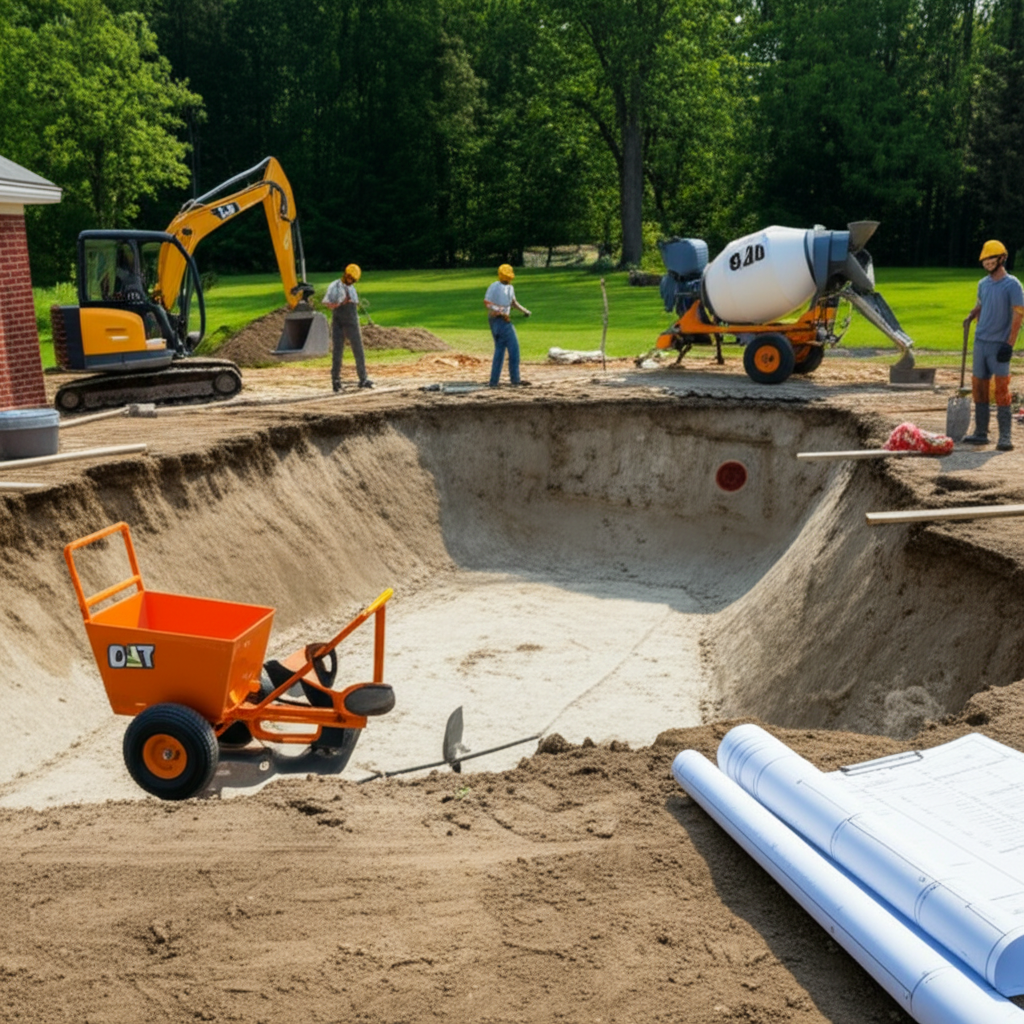
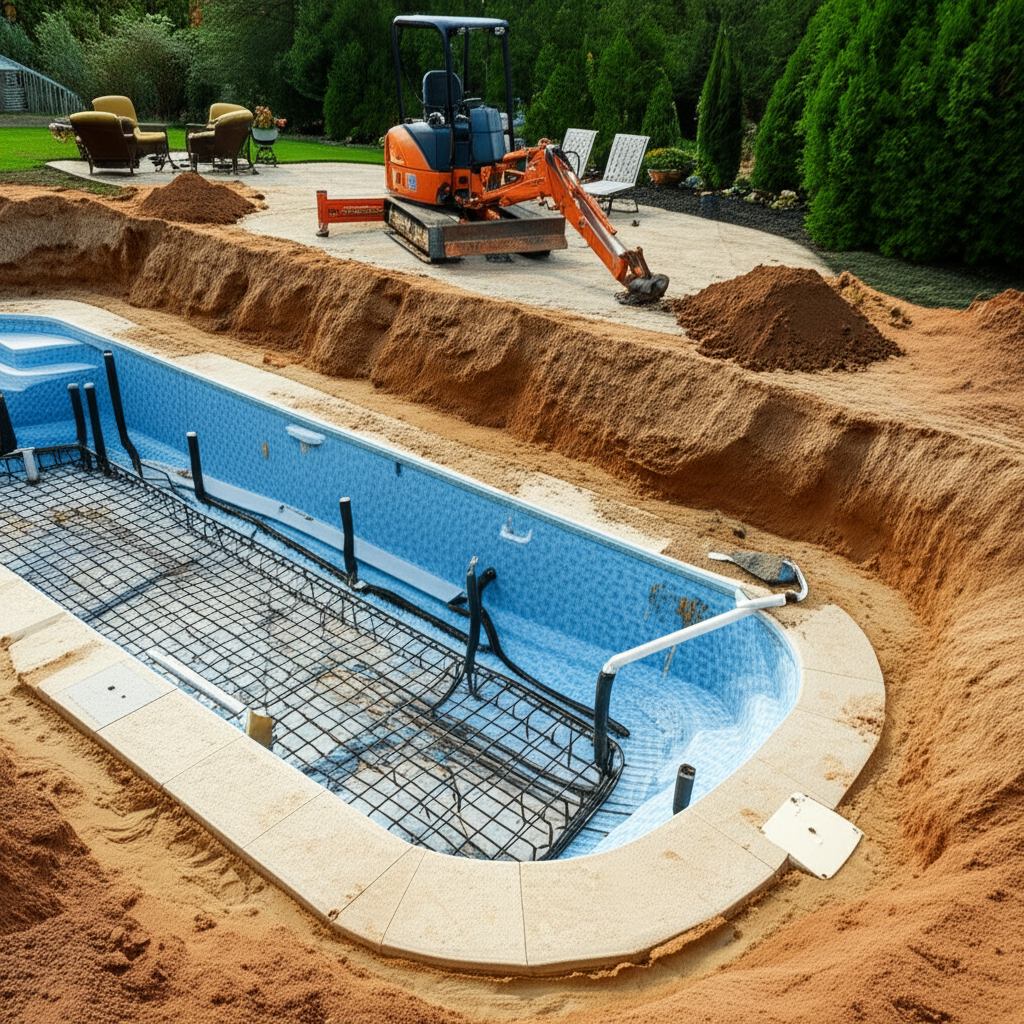
2. Excavation: This is where the heavy machinery comes in. The ground is dug out to the precise dimensions and depth of your chosen pool. For concrete pools, careful shaping of the earth is essential; for fiberglass, it’s about creating a perfect bed for the shell.
3. Plumbing and Electrical Rough-ins: Before the pool structure is fully in place, all necessary plumbing (skimmers, main drains, returns, cleaner lines) and electrical conduits (for lights, pumps, heaters) are installed and routed underground. Proper planning here prevents future headaches.
4. Pool Structure Installation:
Concrete Pools: A steel rebar framework is built within the excavated area, followed by spraying concrete (gunite or shotcrete) to form the pool shell. This is then allowed to cure.
Fiberglass Pools: The pre-fabricated fiberglass shell is delivered and carefully lowered into the excavated hole. Backfilling around the shell with gravel or sand stabilizes it.
Vinyl Liner Pools: The wall panels are assembled and installed in the excavated area. A concrete or sand base is laid, and then the custom vinyl liner is carefully fitted and sealed.
5. Decking and Coping Installation: Once the pool shell is secure, coping (the capstone around the pool’s edge) is installed. This segues into the installation of the surrounding deck, whether it’s concrete, pavers, wood, or another material. This stage significantly impacts the pool’s aesthetic and usability.
6. Equipment Pad Setup: The critical equipment – pump, filter, heater, chlorinator – is installed on an designated pad, connected to the newly installed plumbing and electrical systems.
7. Water Filling and Chemical Balancing: With the main structure complete and equipment connected, your pool is filled with water. This is followed by the crucial step of chemically balancing the water (pH, alkalinity, calcium hardness, sanitizer levels) to ensure it’s safe and clear for swimming.
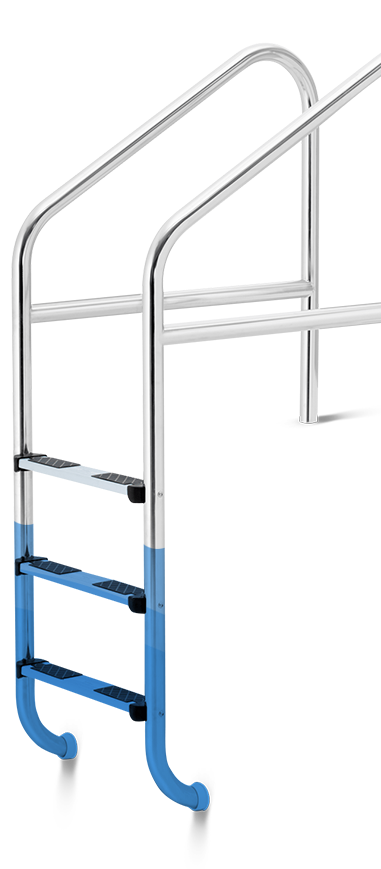
8. Finishing Touches and Landscaping: Any final details like lights, handrails, ladders, and protective fencing are installed. This is also the ideal time to complete surrounding landscaping, planting, and pathways to integrate the pool beautifully into your backyard design.
Essential Post-Installation Considerations
Even after your pool is ready for its first dip, a few ongoing elements are crucial:
Maintenance Routine: Regular cleaning, chemical balancing, and equipment checks are essential for water quality and longevity.
Safety Features: Ensure all required safety measures, particularly fencing and gates, are in place and functioning correctly to prevent accidents.
Warranty Information: Understand all warranties associated with your pool, equipment, and contractor’s work.
Conclusion
Embarking on the journey of building a pool is an exciting endeavor that promises years of enjoyment and a significant upgrade to your home. While the process involves multiple stages, a well-planned approach, an understanding of the key installation steps, and collaboration with experienced professionals can make the entire experience remarkably effortless. From the initial vision to the refreshing first swim, your new backyard oasis awaits, ready to create lasting memories for you and your loved ones. Dive in and enjoy the transformation!