Fiberglass Pool: Must-Know Pros, Avoid Costly Cons
April 6, 2026
Modern Pool: Best Stunning Geometric Designs
April 9, 2026
- What is a Concrete Pool? Understanding the Construction
- The Enduring Appeal: Pros of a Concrete Pool
- Unparalleled Customization and Design Freedom
- Exceptional Durability and Longevity
- Increased Property Value
- Versatility in Features and Accessories
- Considering the Investment: Cons of a Concrete Pool
- Higher Upfront Cost
- Longer Construction Time
- Maintaining Your Concrete Pool: A Commitment
- Rougher Surface
- Making the Right Choice: Is a Concrete Pool For You?
Concrete Pool: An In-Depth Look at Essential Pros and Cons
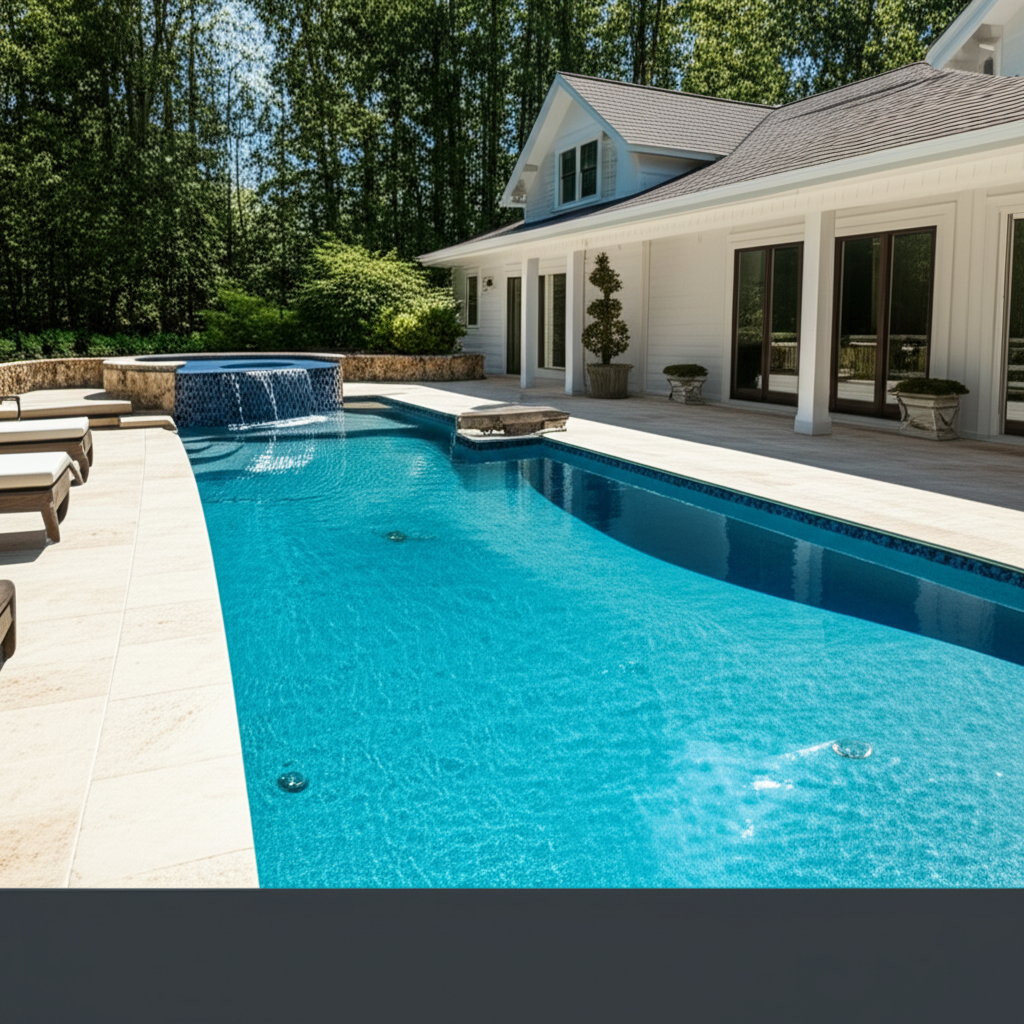
A concrete pool embodies the pinnacle of swimming pool customization and durability, making it a perennial favorite for homeowners dreaming of a bespoke aquatic oasis. Often referred to by their construction methods like Gunite or Shotcrete, these pools offer an unparalleled ability to sculpt your perfect backyard escape. However, like any significant home improvement, choosing a concrete pool comes with its own set of advantages and challenges. Understanding these essential pros and cons is crucial for making an informed decision that aligns with your lifestyle, budget, and aesthetic aspirations.
What is a Concrete Pool? Understanding the Construction
Before diving into the benefits and drawbacks, it’s helpful to understand what a concrete pool entails. Unlike fiberglass or vinyl liner pools, concrete pools are built entirely on-site. The process begins with excavating the desired shape, followed by installing a grid of steel rebar for structural reinforcement. Concrete is then pneumatically applied over this rebar framework.
The two primary methods for applying the concrete are Gunite and Shotcrete:
Gunite: This method uses a dry mix of cement, sand, and aggregates that is conveyed through a hose with compressed air. Water is added at the nozzle as it’s sprayed onto the steel frame, allowing for precise control and a very dense, strong shell.
Shotcrete: This method uses a pre-mixed, wet concrete mixture that is pumped through a hose and then sprayed onto the frame. It’s often quicker to apply and can achieve similar structural integrity.
Both methods result in an incredibly strong, monolithic pool shell that is then cured, plastered, tiled, or finished with various aggregate materials.
The Enduring Appeal: Pros of a Concrete Pool
The allure of a concrete pool is undeniable, primarily due to its exceptional flexibility and longevity.
Unparalleled Customization and Design Freedom
This is arguably the biggest selling point of a concrete pool. Because they are custom-built on-site, there are virtually no limits to shape, size, or depth. Want an L-shaped pool? A freeform lagoon? A lap pool with a tanning ledge and an integrated spa? All are possible with concrete. You can also choose from an extensive range of finishes, including traditional plaster, exposed aggregate (pebble finishes), intricate tile designs, or even painted surfaces, allowing for complete personalization to match your home’s architecture and landscaping.
Exceptional Durability and Longevity
Built with steel reinforcement and dense concrete, these pools are incredibly robust. They are designed to last for decades, often exceeding 50 years with proper maintenance. Unlike vinyl liners, concrete isn’t susceptible to punctures or tears from sharp objects, and it holds up remarkably well against harsh weather conditions, including freeze-thaw cycles in colder climates (when constructed correctly). This inherent strength contributes to a sense of permanence and quality.
Increased Property Value
A well-designed and maintained concrete pool is often considered a premium feature that can significantly enhance a property’s market value. Its custom nature and durability make it a more substantial and lasting investment in your home compared to other pool types. Many discerning buyers appreciate the unique aesthetic and quality that a custom concrete pool offers.
Versatility in Features and Accessories
From cascading waterfalls and intricate water jets to remote-controlled lighting systems, automatic covers, and built-in benches or swim-up bars, a concrete pool can seamlessly integrate almost any feature imaginable. These elements can be designed and incorporated right into the initial construction, ensuring a cohesive and functional design that perfectly suits your entertaining or relaxation needs.
Considering the Investment: Cons of a Concrete Pool
While the advantages are compelling, concrete pools also come with significant considerations that potential owners must weigh carefully.
Higher Upfront Cost
Concrete pools typically have the highest initial cost among all pool types. The customized design, extensive labor involved in excavation, rebar installation, concrete application (Gunite or Shotcrete), curing, and intricate finishing work all contribute to a steeper price tag. This initial investment can be considerably higher than that of a fiberglass or vinyl liner pool, often ranging from tens of thousands to well over a hundred thousand dollars depending on size, features, and location.
Longer Construction Time
The custom, multi-stage construction process for a concrete pool means a longer build time. From excavation to final plastering and curing, the entire project can take anywhere from 6 to 12 weeks, and sometimes longer, depending on weather conditions, contractor availability, and the complexity of the design. This can be a drawback for homeowners looking for a quicker installation.
Maintaining Your Concrete Pool: A Commitment
Concrete pools, particularly those with plaster finishes, require more intensive and frequent maintenance than their fiberglass or liner counterparts.
Porous Surface: Concrete and plaster are naturally porous, making them more susceptible to algae growth. Regular brushing (daily or every other day) of the pool walls and floor is essential to prevent algae from establishing a foothold.
Chemical Balance: The porous nature and alkaline properties of plaster can affect the pool’s water chemistry, causing pH levels to rise. This often means more frequent testing and adjustment of chemicals (e.g., acid to lower pH) to maintain proper balance and prevent scale buildup or water quality issues.
* Resurfacing: Over time, plaster finishes will wear down, become stained, or develop rough spots. While the concrete shell itself is very durable, the interior finish typically needs to be refinished (replastered or retiled) every 10 to 15 years, which is an additional significant expense.
Rougher Surface
While various finishes are available, traditional plaster, in particular, can feel abrasive to skin and swimwear compared to the smooth, non-porous surface of a fiberglass pool or the soft feel of a vinyl liner. Some aggregate finishes offer a smoother texture, but it’s still a noticeable difference for many.
Making the Right Choice: Is a Concrete Pool For You?
Choosing a concrete pool means investing in enduring quality, unparalleled customization, and a robust structure designed to last for generations. The freedom to create any shape, add any feature, and select from diverse finishes makes it the ultimate choice for those who envision a truly unique backyard retreat.
However, this comes with a premium price tag, a longer construction period, and a commitment to more hands-on maintenance, including occasional resurfacing. If your budget allows for the initial investment and ongoing upkeep, and you prioritize a custom design that perfectly complements your home and lifestyle, a concrete pool could be the perfect cornerstone of your dream backyard. If quicker installation, lower upfront costs, and minimal maintenance are your top priorities, exploring other pool types might be more suitable. Ultimately, the best choice depends on your personal priorities and what you value most in your future swimming paradise. Consulting with experienced pool professionals can help you navigate these considerations and bring your vision to life.