Saltwater Chlorine Generator: Ultimate Effortless Pool
June 26, 2026
Pool Edge: Ultimate Coping Materials for Stunning Pools
June 30, 2026
- What is a Check Valve and Why Your Pool Absolutely Needs One?
- How a Check Valve Works: The Simple Mechanics
- Key Benefits of an Effective Pool Check Valve
- Types of Check Valves for Pool Applications
- Where to Install Your Pool Check Valve
- Choosing and Maintaining Your One-Way Valve
A check valve is an often-overlooked yet incredibly vital component for any pool owner seeking to ensure smooth, efficient, and trouble-free operation of their aquatic oasis. While it may seem like a minor piece of plumbing, this ingenious device plays a critical role in maintaining optimal water flow, protecting expensive equipment, and preventing common headaches that can plague pool systems. Without it, your pump might struggle, your heaters could back-drain, and air pockets could become a persistent nuisance, transforming your effortless dip into a frustrating chore.
What is a Check Valve and Why Your Pool Absolutely Needs One?
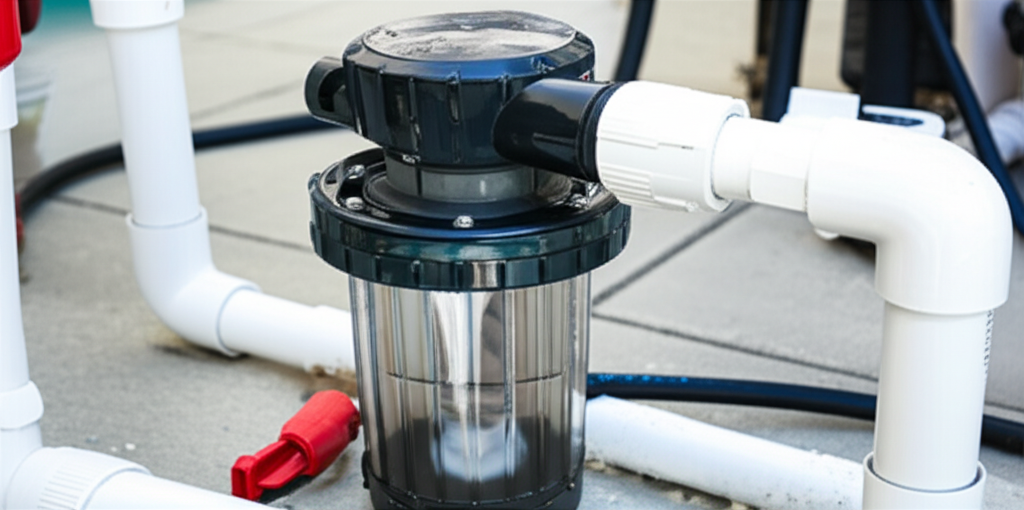
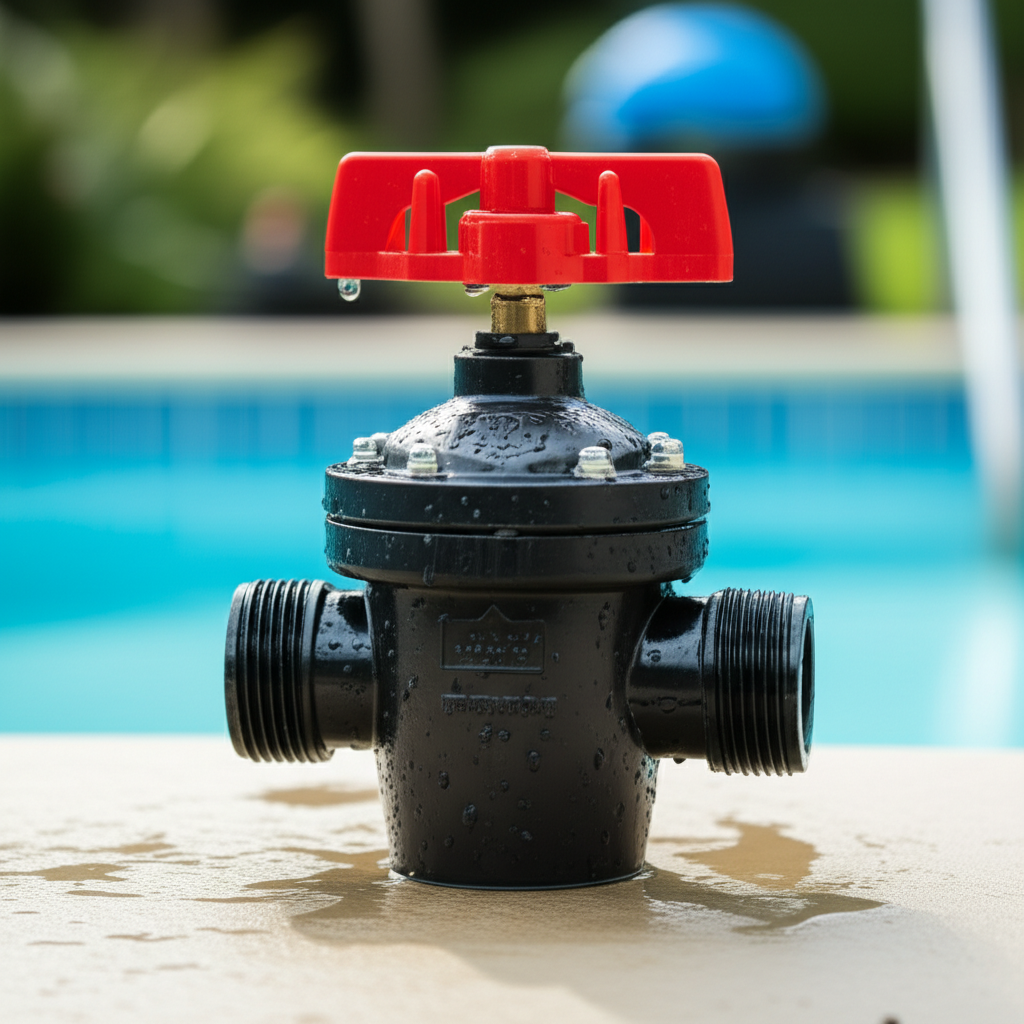
At its core, a check valve is a mechanical device that permits liquid (or gas) to flow in only one direction. It’s often referred to simply as a one-way valve. Its primary function is to prevent backflow, which is when fluid reverses its intended course. In a pool system, backflow can lead to a host of problems, from minor inconveniences to significant equipment damage.
Imagine your pool pump, dutifully circulating thousands of gallons of water. When the pump shuts off, gravity naturally tries to pull the water back down the pipes, away from its intended direction. This is where the check valve springs into action. By preventing this reverse flow, it ensures that:
Your Pump Stays Primed: Many pumps, especially those installed above water level, rely on being “primed” – completely filled with water – to operate efficiently. Without a check valve, water can drain out of the pump housing when it’s off, causing it to lose prime. A dry pump struggles to draw water, wasting energy, potentially overheating, and shortening its lifespan.
Equipment is Protected: Backflow can create “water hammer,” a phenomenon caused by a sudden stop or change in direction of water flow, producing shockwaves that can damage sensitive components like heaters, chlorinators, and even the pump itself.
Chemical Balance is Maintained: If you use an inline chemical feeder, a check valve prevents pool water (potentially treated with chemicals) from backing up into your pump or heater, safeguarding these expensive pieces of equipment from corrosive agents.
Multi-System Efficiency: For pools with solar heating, water features, or automated cleaning systems, check valves are essential to ensure water flows correctly through each independent loop without interfering with others or draining systems unnecessarily.
How a Check Valve Works: The Simple Mechanics
The operation of a check valve is surprisingly straightforward. Inside its body, there’s a moving part – often a disc, flapper, ball, or piston – that is designed to open when pressure from the intended direction of flow is sufficient to push it aside. Once the water has passed, or if pressure from the reverse direction attempts to enter, the moving part is forced back into a sealed position against a seat, blocking any further flow.
Think of it like a gate that swings open only one way. When the pump is pushing water, the gate opens. When the pump stops, or if water tries to come back, the gate swings shut, creating a seal. This elegant simplicity is what makes the one-way valve so reliable and effective.
Key Benefits of an Effective Pool Check Valve
Integrating the correct one-way valve into your pool’s plumbing system offers several crucial advantages:
1. Pump Longevity and Efficiency: By ensuring your pump remains primed and preventing destructive back-pressure, check valves significantly extend the life of your most critical piece of pool equipment. A pump that doesn’t have to re-prime constantly also runs more efficiently, saving energy.
2. Solar Heater Protection: Without a check valve, water in your solar panels can drain back into the pool when the pump turns off, especially if the panels are above the pool level. This means your panels will need to be refilled and reheated every time the pump cycles, reducing efficiency and putting unnecessary strain on the system.
3. Preventing Chemical Contamination: Placing a check valve before chemical feeders (like chlorinators or salt chlorine generators) prevents highly concentrated chemicals from reversing flow and damaging your heater, filter, or pump, all of which can be sensitive to corrosive substances.
4. Maintaining Water Feature Performance: For waterfalls, fountains, or deck jets, a check valve helps maintain consistent water column height and prevents these features from draining when the pump is off, leading to quicker startup and better aesthetics.
5. Reduced Air in Lines: By stopping backflow, check valves help prevent air from being sucked into the plumbing lines, which can lead to pump cavitation (the formation of air bubbles that can damage the pump impeller) and general system inefficiencies.
Types of Check Valves for Pool Applications
While the function is the same, check valves come in a few common designs, each with slightly different characteristics suitable for various pool applications:
Swing Check Valve: This is one of the most common types, featuring a hinged disc (flapper) that swings open with forward flow and closes with backflow or gravity. They are excellent for high flow rates and low-pressure drop but can “chatter” if flow is intermittent.
Spring-Loaded Check Valve: These valves use a spring to hold the disc or poppet against the seat, requiring a certain amount of forward pressure to open. They provide a quick, positive seal, making them good for preventing chatter and for vertical installations.
Ball Check Valve: A ball is seated against an opening by reverse flow or gravity. When forward flow occurs, the ball is pushed away from the seat. These are often used in applications where there might be some small debris, as the ball mechanism is less prone to fouling.
Union Check Valve: While not a different functional design, a union check valve incorporates union connections on either side, allowing for easy removal and reinstallation without cutting pipes. This is highly beneficial for maintenance or replacement, especially if the internal components wear out.
Where to Install Your Pool Check Valve
Strategic placement is key to maximizing the benefits of your one-way valve:
After the Pump: This is perhaps the most critical location. Installing a check valve immediately after the pump discharge (before any heaters or filters) prevents water from siphoning back into the skimmer or main drain, ensuring the pump stays primed.
Before Your Heater (and After the Pump): If you have a separate heater, a check valve before it can prevent back-siphoning from the heater, particularly crucial for solar heaters mounted on a roof.
Before Chemical Feeders: Placing a valve before inline chlorinators or chemical feeders protects your main pump and heater from corrosive chemicals backing up.
On dedicated Water Feature Lines: If you have separate lines running to waterfalls or other features, a check valve on each line can prevent them from draining when not in use.
Choosing and Maintaining Your One-Way Valve
When selecting a check valve, consider the material (PVC or CPVC are standard for pools), the size (to match your existing plumbing), and the type best suited for the specific application. Always pay attention to the flow direction arrow printed on the valve body during installation. While check valves are generally robust, it’s wise to choose a model with a union connection if possible, which simplifies future maintenance.
Maintenance is typically minimal. Periodically, especially if you notice your pump losing prime or specific features not working correctly, you might want to inspect the valve for debris lodged in the mechanism or signs of wear on the sealing components. A failing check valve can often manifest as a loss of prime, noisy operation, or inconsistent flow.
In conclusion, a check valve is far more than just another plumbing fitting; it’s a protector of your investment, a guarantor of efficiency, and a key contributor to the effortless enjoyment of your swimming pool. By preventing unwanted backflow, this simple yet essential one-way valve ensures your pool system runs smoothly, prolongs equipment life, and keeps your water flowing exactly where it needs to be.