
Poolside Shade: Ultimate, Effortless Comfort
June 24, 2026
Check Valve: Must-Have for Effortless Pool Flow
June 28, 2026
- Understanding the Magic: How Salt Systems Work for a Sparkling Pool
- Key Components of a Saltwater Chlorine Generator System
- Unlocking the Benefits: Why Go Saltwater?
- Setting Up and Caring for Your Saltwater Chlorine Generator
- Is a Saltwater Chlorine Generator Right for You?
Saltwater Chlorine Generator: The Ultimate Path to an Effortless Pool
A Saltwater Chlorine Generator is a revolutionary system that transforms pool maintenance from a chore into a seamless, almost thoughtless task. Imagine a future where you no longer need to haul heavy buckets of chlorine, suffer from red eyes or itchy skin, or deal with that overpowering chemical smell characteristic of traditionally chlorinated pools. This innovative technology harnesses the power of ordinary salt to create a continuous supply of pure, fresh chlorine right in your backyard oasis, promising a swimmer-friendly experience and significantly less hands-on effort.
Understanding the Magic: How Salt Systems Work for a Sparkling Pool
To truly appreciate the “effortless pool” promise, it’s essential to understand how salt systems work. The process is remarkably elegant in its simplicity and efficiency. Instead of adding granulated or liquid chlorine directly to your pool, you add a measured amount of common pool salt (sodium chloride) to the water. This concentration is much lower than that of the ocean – typically similar to a teardrop, making it barely perceptible to swimmers.
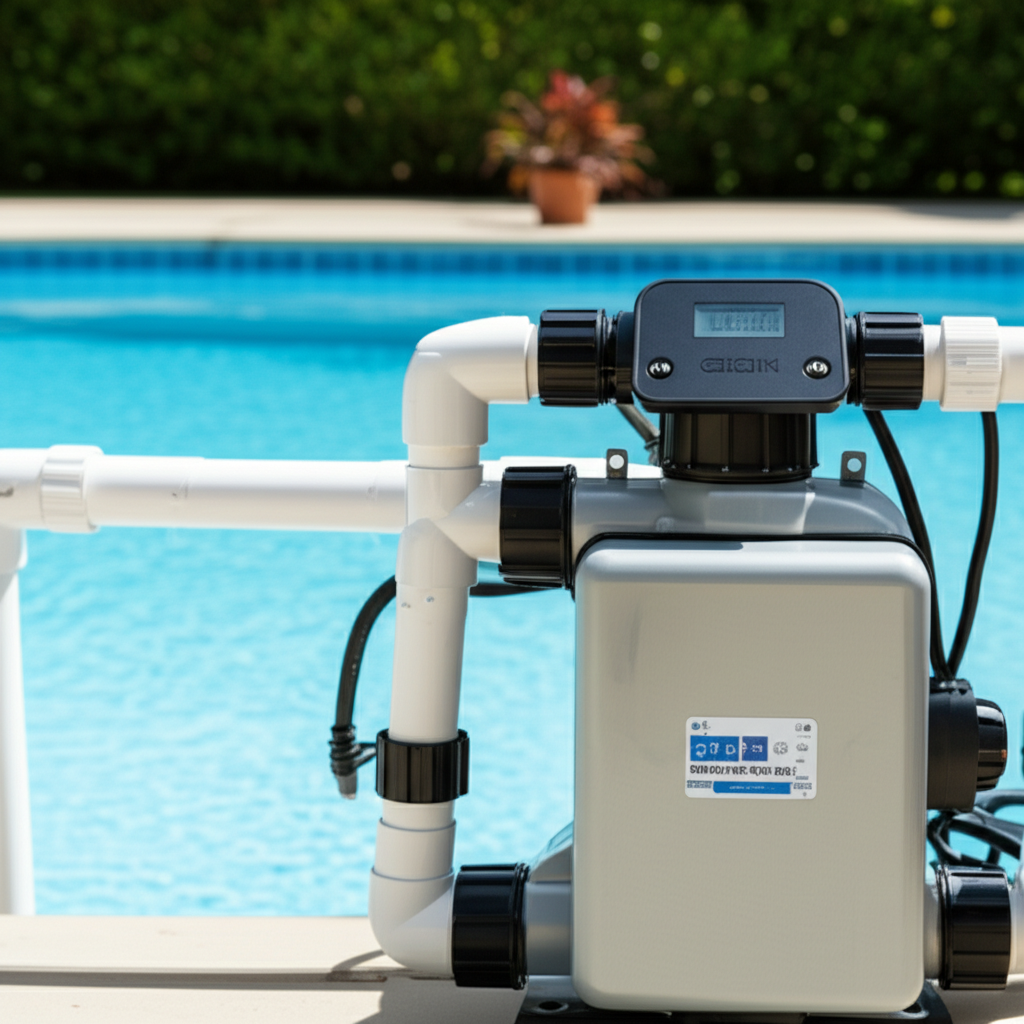
Once the salt is dissolved, the magic begins. As the pool water circulates through your filtration system, it passes through a specialized component called the salt cell. Inside this cell, a low-voltage electrical current is applied to the salty water. This process, known as electrolysis, causes a chemical reaction: the sodium chloride (NaCl) in the water is split, producing pure chlorine (Cl2) and sodium (Na+). The chlorine immediately begins sanitizing your pool, destroying bacteria, viruses, and algae, just like traditional chlorine.
After the chlorine has done its job of sanitization, it reverts back into salt. This means the salt isn’t consumed or evaporated; it’s simply recycled, creating a continuous, self-sustaining loop of chlorine production. This cycle virtually eliminates the need for manual chlorine additions, ensuring a stable and consistent level of sanitization without the peaks and valleys often associated with conventional chlorine dosing.
Key Components of a Saltwater Chlorine Generator System
While the salt cell is the heart of the system, several other components work together to ensure optimal performance:
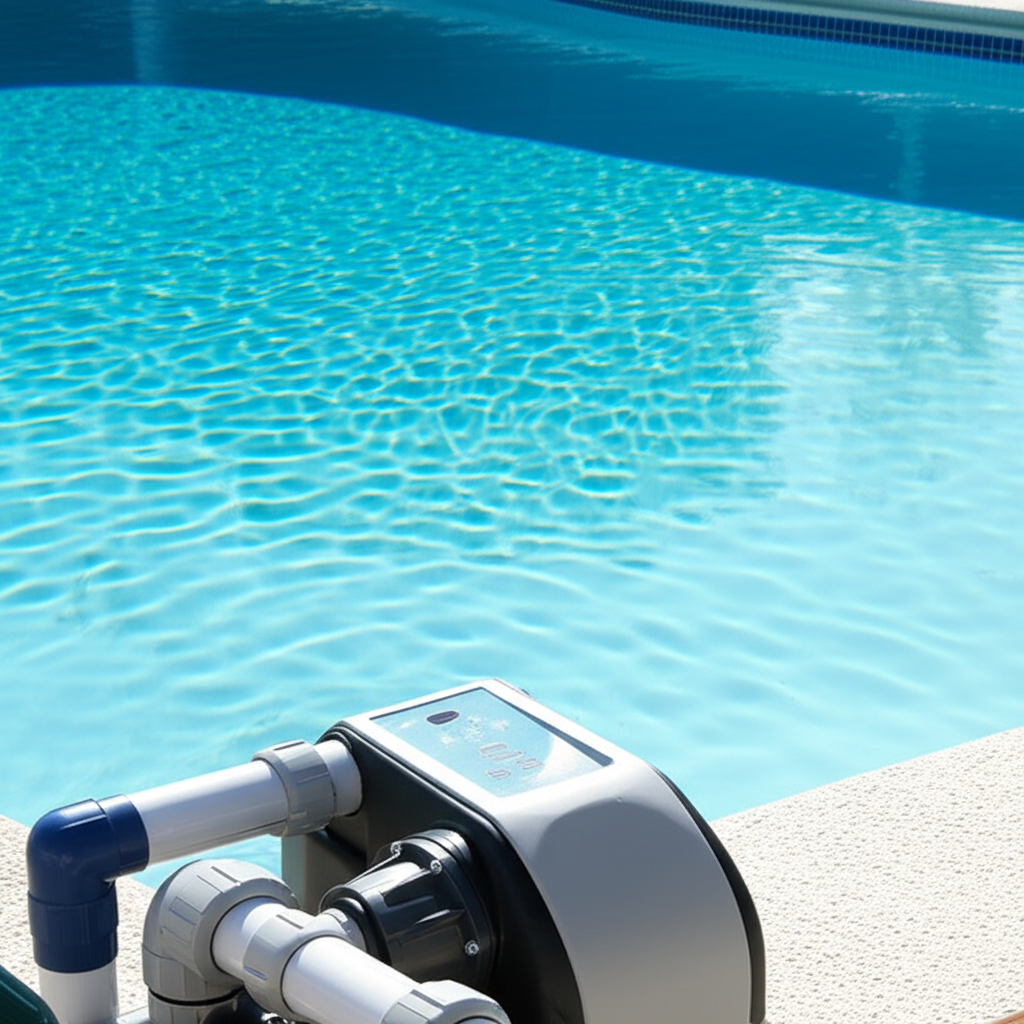
The Salt Cell: As described, this is where the electrolytic conversion happens. These cells are typically plumbed in-line with your pool’s return plumbing, after the filter and heater. They come in various sizes to match different pool volumes.
Control Panel/Power Supply: This unit manages the power supplied to the salt cell, allowing you to adjust chlorine output levels. It also often includes diagnostic indicators and safety features.
Flow Switch: Ensures that the salt cell only operates when water is flowing through it, preventing damage and ensuring safe operation.
Pool Salt: While not a part of the system itself, high-purity, granular salt is crucial for the process. It’s inexpensive and readily available.
Unlocking the Benefits: Why Go Saltwater?
The advantages of a saltwater chlorine generator extend far beyond just convenience, offering a superior swimming experience and long-term savings:
1. Effortless Maintenance: This is the cornerstone benefit. No more daily or weekly shocking, no more balancing chlorine levels with multiple chemicals. The system continuously generates chlorine, keeping your pool sanitized with minimal input from you.
2. Superior Water Quality: Say goodbye to harsh chemical smells, stinging eyes, and dry, itchy skin. Saltwater pools produce a much softer, silkier water feel. The continuous, low-level chlorine production results in fewer chloramines (the compounds responsible for the “chlorine smell” and irritation), leading to a more pleasant and comfortable swim.
3. Cost Savings Over Time: While the initial investment in a saltwater chlorine generator is higher than traditional chlorination, the long-term savings are significant. You’ll drastically reduce or eliminate the need to purchase expensive chemical chlorine, which can add up to substantial savings over the lifespan of your pool.
4. Consistent Sanitization: The automated nature of a saltwater system ensures a stable sanitizer level, which is harder to achieve with manual dosing. This consistency prevents algae blooms and keeps your pool sparkling clean.
5. Environmentally Friendlier: By generating chlorine on-site, you reduce the need for chlorine production, transportation, and packaging, lessening your pool’s environmental footprint.
Setting Up and Caring for Your Saltwater Chlorine Generator
Implementing a saltwater chlorine generator system is generally straightforward. For new pools, it’s often included in the design. For existing pools, a qualified pool professional can typically install a unit within a few hours, integrating it into your existing plumbing and electrical system.
Maintaining your system mostly revolves around these simple tasks:
Maintaining Salt Levels: Periodically (usually once a month or after heavy rain/backwashing), you’ll need to test your pool’s salt concentration and add more salt as needed. Your control panel will often indicate low salt levels.
Monitoring Chlorine Output: Adjust the chlorine production setting on your control panel based on your pool’s usage, temperature, and sun exposure. A simple test kit will help you confirm adequate chlorine levels.
Cleaning the Salt Cell: Over time, scale (calcium buildup) can accumulate on the plates of the salt cell, hindering its efficiency. Most cells require an acid wash (using a diluted acid solution) every 3-6 months. Many modern systems also feature a “self-cleaning” mode that reverses polarity to reduce scale buildup, but occasional manual cleaning is still usually recommended.
Balancing Water Chemistry: While a saltwater generator handles chlorine, you’ll still need to monitor and adjust other crucial water parameters like pH, alkalinity, and calcium hardness to ensure the longevity of your equipment and the comfort of your swimmers. Cyanuric acid (stabilizer) is also important to protect the generated chlorine from UV degradation.
Is a Saltwater Chlorine Generator Right for You?
If you dream of less pool maintenance, a more comfortable swimming experience, and appreciate long-term value, a saltwater chlorine generator is an excellent investment. It’s especially beneficial for busy homeowners, families with children (due to less irritation), and anyone who wants to simplify the complexities of pool chemistry. While there’s an initial cost, the trade-off for an ultimate effortless pool experience and years of trouble-free enjoyment is often seen as invaluable.
In conclusion, the saltwater chlorine generator has redefined pool ownership. By transforming simple salt into a continuous supply of sanitizer, it delivers on the promise of an effortless pool – one that is consistently clean, wonderfully comfortable, and a joy to swim in, all with minimal intervention from you. Embrace the future of pool sanitation and discover the true meaning of relaxation in your backyard oasis.