Check Valve: Must-Have for Effortless Pool Flow
June 28, 2026
Skimmer Equalizer: Essential for Perfect Water Level
July 1, 2026
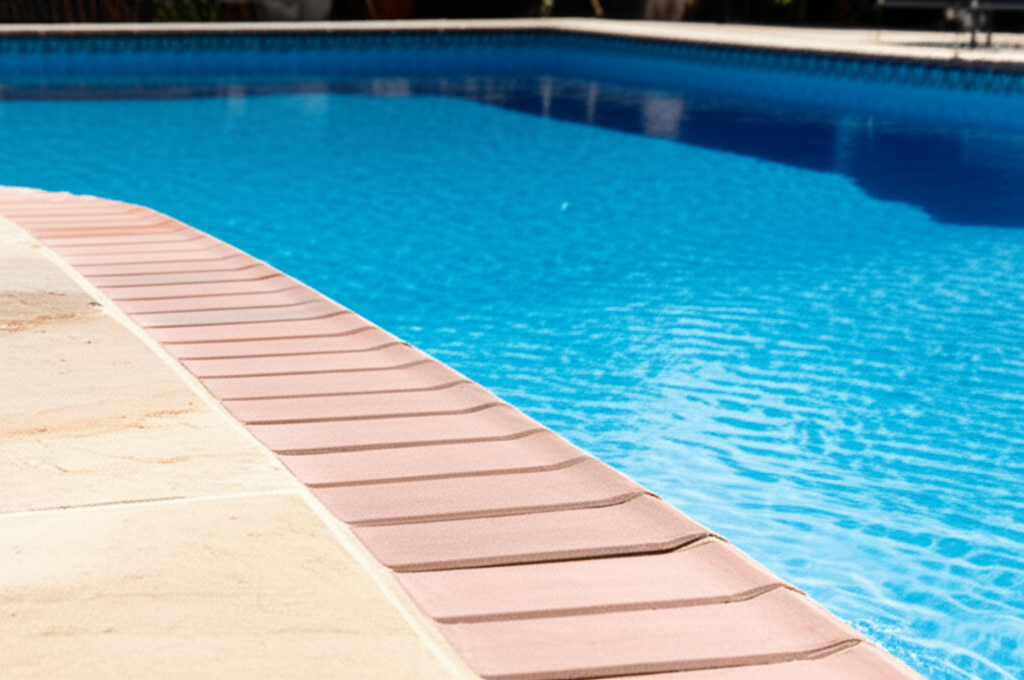
Pool Edge: The Essential Foundation for Safety and Style
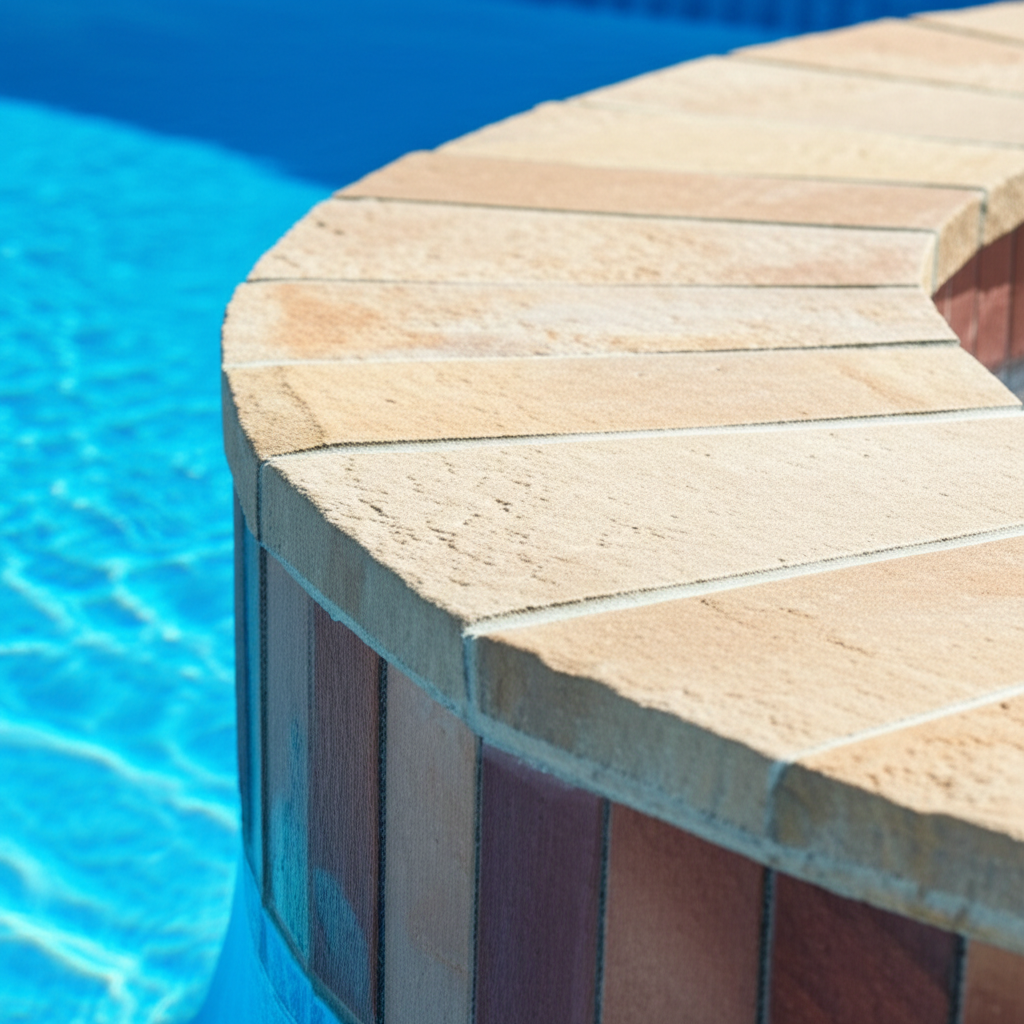
The pool edge, often referred to as coping, is far more than just a decorative trim around your backyard oasis. It’s a critical component that bridges the pool shell with the surrounding deck, performing vital functions related to safety, structural integrity, and overall aesthetics. Choosing the right coping materials is paramount for ensuring your pool is not only stunning but also durable, comfortable, and safe for years to come. This integral element defines the pool’s character, dictates the feel underfoot, and ultimately impacts the longevity of your investment.
Understanding the Role of Pool Coping
Before diving into material options, it’s important to appreciate the multifaceted role of pool coping. Firstly, it provides a finished, aesthetically pleasing transition from the rough edge of the pool beam to the pool deck. Secondly, it serves a practical purpose by redirecting water that splashes out of the pool away from the foundation and into deck drainage systems, protecting the pool’s structure. Thirdly, coping offers a secure, non-slip grip for swimmers entering and exiting the water, enhancing safety. Lastly, it protects the pool beam from potential damage caused by freeze-thaw cycles, especially in colder climates. Its importance makes the selection of appropriate coping materials a decision that warrants careful consideration.
Key Factors to Consider When Selecting Coping Materials
With a myriad of options available, making an informed choice for your pool edge requires evaluating several key factors:
1. Durability: The material must withstand constant exposure to water, chemicals, sunlight, and varying weather conditions without deteriorating, cracking, or fading. In regions with harsh winters, resistance to freeze-thaw cycles is crucial.
2. Slip Resistance: Safety is paramount. The chosen material should offer excellent grip, even when wet, to prevent slips and falls around the pool area.
3. Heat Absorption: Darker or denser materials can absorb and retain significant heat, making them uncomfortable to walk on during hot summer days. Consider lighter colors or materials known for staying cooler.
4. Maintenance Requirements: Some materials require regular sealing, special cleaning, or are prone to staining, increasing their long-term upkeep.
5. Aesthetics and Style: The coping should complement the overall design of your home, pool, and landscape. Do you prefer a modern, classic, rustic, or natural look?
6. Budget: Costs vary significantly between materials, including both initial purchase and installation. Factor in long-term maintenance costs as well.
Choosing the Ultimate Pool Edge Coping Materials
Let’s explore some of the most popular and effective coping materials, each offering a unique blend of benefits and considerations:
1. Natural Stone Coping
Natural stone offers unparalleled beauty and a luxurious feel, making it a top choice for upscale pools.
Travertine: Highly sought after for its timeless beauty and practical advantages. Travertine stays remarkably cool to the touch, even in direct sunlight, and its naturally porous surface provides excellent slip resistance. Available in a range of earthy tones, it creates a sophisticated, resort-like ambiance. It does require sealing to protect against stains and enhance durability.
Limestone: Dense and durable, limestone offers a smooth, elegant finish. It’s less porous than travertine and comes in beautiful, muted tones. Like other natural stones, it can be a higher-cost option and may require sealing.
Sandstone: Known for its rustic charm and natural variations in color and texture. Sandstone provides good grip when wet but is quite porous and requires regular sealing to prevent staining and moss growth.
Granite: Extremely durable and resistant to scratching, fading, and chemical damage. Granite is a high-end option available in a wide array of colors. While highly durable, polished granite can be slippery when wet, so textured or flamed finishes are preferred for coping. It can also absorb and retain heat.
Flagstone: Offers an organic, irregular shape and texture that creates a unique, rustic look. Its natural cleft face provides excellent slip resistance. Installation can be more complex due to its varied shapes, and sealing is recommended.
2. Concrete Coping
Concrete offers versatility and cost-effectiveness, making it a popular choice for many pool owners.
Poured Concrete: This option allows for a seamless, custom look. Poured concrete can be textured, stamped, or colored to mimic other materials like stone or brick, offering significant design flexibility. While durable, it requires skilled installation to prevent cracking, and lighter colors are recommended to minimize heat absorption.
Precast Concrete: These are factory-made coping pieces that offer uniformity in shape and size, simplifying installation. Precast options come in various colors and textures, providing a more consistent and often more budget-friendly concrete solution compared to poured-in-place.
3. Paver Coping
Specifically, concrete pavers designed for coping applications are an excellent choice.
Concrete Pavers: Available in a vast range of shapes, sizes, colors, and textures, pavers offer incredible design versatility. They are durable, generally cost-effective, and easy to replace if a single piece is damaged. Paver coping creates a structured, clean look and typically offers good grip. Some darker options can get hot in direct sunlight.
4. Brick Coping
For a classic, traditional aesthetic, brick coping remains a timeless choice.
Brick: Durable and resistant to harsh weather, brick offers excellent slip resistance due to its naturally rough texture. It provides a warm, inviting feel and is often used to complement homes with traditional architecture. However, brick can absorb a significant amount of heat and may require more maintenance to prevent moss or mildew growth in damp climates.
Integrating Style and Functionality
The choice of coping material is fundamental to the entire pool area’s aesthetic. A sleek, light-colored travertine might suit a modern minimalist design, while irregular flagstone could perfectly complement a natural, freeform pool integrated into a lush landscape. Consider how the coping will interact with your chosen deck material – whether it’s concrete pavers, wood, or another stone – to create a cohesive and harmonious outdoor living space. The right material will not only perform its functional duties flawlessly but also elevate the overall beauty of your pool.
Maintaining Your Pool Coping
To ensure the longevity and appearance of your chosen coping material, regular maintenance is key:
Cleaning: Routinely sweep and rinse the coping to remove debris, dirt, and chemical residue. For tougher stains, use a mild cleaner appropriate for the material.
Sealing: Natural stone and some concrete options benefit greatly from periodic sealing (every 1-3 years) to protect against staining, water absorption, and chemical damage.
Inspection: Regularly check for any signs of cracking, chipping, or loosening, and address them promptly to prevent further damage.
The pool edge is a vital component that significantly impacts the safety, lifespan, and aesthetic appeal of your swimming pool. By carefully considering durability, slip resistance, heat absorption, maintenance, and style, and exploring the ultimate coping materials available, you can select the perfect option to create a truly stunning and enduring backyard swimming experience. Consulting with a seasoned pool professional can provide invaluable guidance in making this crucial decision.