Pool Deep Clean: Stunning Results, Effortless Process
February 15, 2026
Pool Care Log: Stunning & Simple Record
February 19, 2026
- Why Meticulous Pool Ladder Care is Essential
- Essential Tools and Supplies for Sparkling Pool Ladders
- Deep Dive into Handrail Cleaning
- Cleaning the Steps and Anchor Points
- Preventative Measures and Long-Term Care for Your Pool Ladders
- Enjoy a Pristine Pool Experience
Pool Ladders are more than just functional components of your swimming oasis; they are vital for safety, accessibility, and can significantly contribute to the overall aesthetics of your backyard retreat. Maintaining their pristine condition isn’t just about making your pool look good, though that’s certainly a valuable benefit. Proper cleaning and care extend the lifespan of your ladder, ensure safe usage, and prevent the buildup of unsightly and potentially harmful grime, mildew, or rust. This comprehensive guide will equip you with stunning tips and tricks to keep your pool ladders sparkling and safe, protecting your investment and enhancing your poolside experience.
Why Meticulous Pool Ladder Care is Essential
Before diving into the ‘how-to,’ it’s crucial to understand the ‘why.’ Pool ladders are constantly exposed to a harsh environment: chlorinated water, UV rays, fluctuating temperatures, and constant human contact. Without regular attention, they can quickly succumb to:
Corrosion and Rust: Especially for stainless steel models, prolonged exposure to chemicals without proper rinsing can lead to unsightly and compromising rust spots.
Algae and Mildew Buildup: Dark, damp crevices on steps and handrails are prime breeding grounds for these slippery and unsanitary organisms.
Degradation of Materials: UV rays can fade plastic or vinyl coatings, and chemicals can weaken seals and fittings over time.
Safety Hazards: Loose fittings, slippery steps from grime, or weakened structures are serious risks for anyone entering or exiting the pool.
Aesthetic Decline: A grimy, rusted ladder detracts from the beauty of an otherwise clean pool.
Investing a little time in care pays dividends in safety, hygiene, longevity, and visual appeal.
Essential Tools and Supplies for Sparkling Pool Ladders
Before starting your cleaning regimen, gather the right tools. Having everything at hand makes the process quicker and more efficient:
Soft-bristle brush or sponge: Avoid abrasive scrubbers that can scratch surfaces.
Microfiber cloths: Excellent for drying and polishing.
Mild household cleaner: Diluted dish soap or a dedicated pool surface cleaner.
White vinegar or lemon juice: Natural rust and mildew removers.
Baking soda: Gentle abrasive for stubborn spots.
Rust remover specifically formulated for stainless steel: (Use with caution and as directed).
Garden hose with a spray nozzle: For rinsing.
Rubber gloves: To protect your hands from chemicals.
Safety goggles: If using stronger cleaning solutions.
Deep Dive into Handrail Cleaning
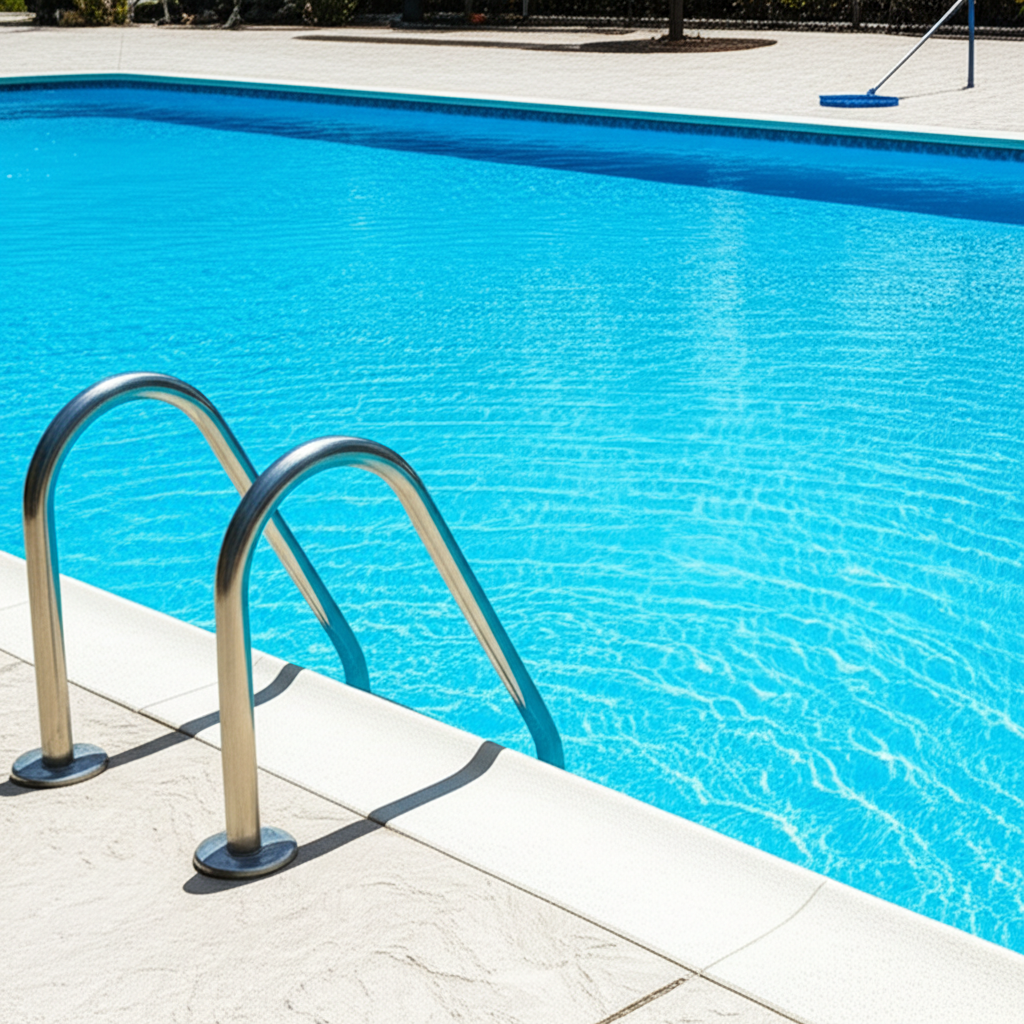
The handrails are arguably the most touched part of your pool ladder, making handrail cleaning a priority for hygiene and appearance. They often show the first signs of wear and tear, from sunscreen residue to mineral deposits.
1. Preparation: Always start by thoroughly rinsing the handrails with fresh water from your garden hose. This removes loose dirt, chemicals, and any fresh residue, preventing them from being scrubbed deeper into the material.
2. Routine Cleaning: For weekly maintenance, mix a small amount of mild dish soap with water in a bucket. Dip your soft-bristle brush or sponge into the solution and scrub the entire surface of the handrails. Pay close attention to the underside and where the rails meet the steps, as these areas tend to collect more grime.
3. Tackling Stubborn Grime and Mildew: If you notice a slimy film or dark spots of mildew, baking soda can be your ally. Make a paste with baking soda and a little water, apply it to the affected areas, let it sit for 5-10 minutes, then gently scrub with your soft brush. For more persistent mildew, a 50/50 solution of white vinegar and water can be sprayed on, left for 15 minutes, then scrubbed and rinsed.
4. Addressing Rust Spots on Stainless Steel: Rust is the nemesis of stainless steel Pool Ladders. For minor spots, try rubbing with a soft cloth dampened with white vinegar or lemon juice. For more persistent rust, a specialized stainless steel rust remover might be necessary. Apply a small amount to a cloth and gently rub the rusted area, following the product’s instructions precisely. Always test in an inconspicuous area first. After applying any rust remover, rinse thoroughly and dry immediately to prevent water spots.
5. Finishing Touch: After cleaning, rinse the handrails completely with fresh water to remove all cleaning solutions. Then, use a clean microfiber cloth to dry them, which helps prevent water spotting and gives them a brilliant shine.
Cleaning the Steps and Anchor Points
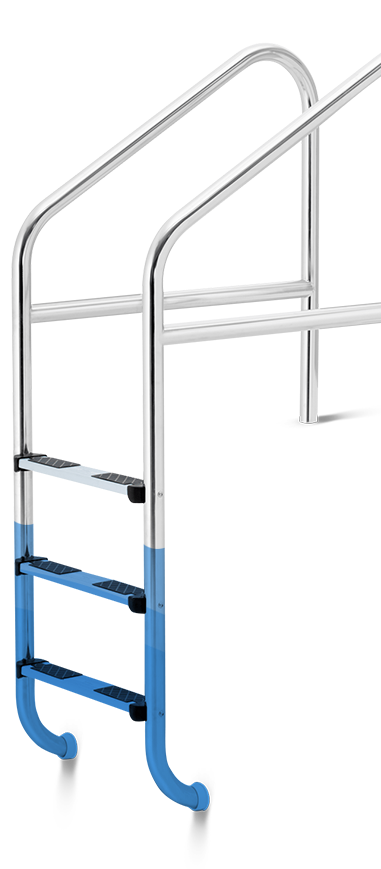
The steps of your pool ladder endure constant foot traffic and submerged conditions, making them prone to algae and slipperiness. The anchor points, though often overlooked, are critical for stability.
1. Step Cleaning: Use the same mild soap solution or vinegar solution you used for the handrails. Scrub the steps thoroughly, paying extra attention to textured, non-slip surfaces where grime can hide. A stiffer, but still non-abrasive, brush can be useful for these areas. For submerged steps, a pool brush with a telescoping pole can help you reach down.
2. Dealing with Algae: If algae is present, scrub the area vigorously. For persistent algae, you may need to shock your pool (adjusting chlorine levels) in conjunction with scrubbing to kill the spores. Ensure your pool’s chemical balance is consistently maintained to prevent algae from taking hold.
3. Anchor Points and Fittings: These areas can accumulate dirt and mineral deposits. Use a small brush or even an old toothbrush to clean around the escutcheon plates and securing bolts. Check for any signs of corrosion or looseness. If bolts are loose, gently tighten them (but be careful not to overtighten, especially on older equipment, to avoid stripping). For vinyl or fiberglass pools, ensure the anchor points are sealed to prevent leaks.
Preventative Measures and Long-Term Care for Your Pool Ladders
Prevention is always better than cure. Incorporating these habits will reduce the need for extensive deep cleaning:
Rinse After Use: Encourage swimmers to quickly rinse the ladder with fresh water after exiting the pool. This washes away chlorine, body oils, and minerals before they can dry and bond to the surface.
Maintain Pool Chemistry: Properly balanced pH and chlorine levels are crucial. Imbalanced water can accelerate corrosion and encourage algae growth, directly impacting your ladder.
Regular Inspections: Periodically (monthly for active pools) inspect your ladder for loose bolts, cracks, rust spots, or signs of wear. Early detection of issues can prevent more significant problems and ensure safety.
Winterization: If you close your pool for the winter, it’s often recommended to remove, clean, and store your ladder indoors. This protects it from harsh winter weather and prolongs its life. Ensure it’s thoroughly dried before storage to prevent mildew or rust.
* Waxing Stainless Steel: Some pool owners apply a marine-grade wax or a stainless steel polish to their ladders. This creates a protective barrier that repels water and prevents mineral deposits and rust, making future cleaning easier. Always choose products safe for pool environments.
Enjoy a Pristine Pool Experience
By following these stunning cleaning and care tips, your Pool Ladders will remain safe, functional, and visually appealing for years to come. A little consistent effort goes a long way in preserving your investment and ensuring everyone can enjoy your swimming pool with confidence and joy. Keep those rails gleaming and those steps secure, and your pool will always be an inviting paradise.