
Pool Ladders: Stunning Cleaning & Care Tips
February 16, 2026
Green Pool Care: Ultimate & Effortless Solutions
February 21, 2026
- The Undeniable Benefits of a Dedicated Pool Care Log
- The Essential Elements of a Pool Care Log
- Making Your Pool Care Log Stunning and Simple
- Beyond the Basics: Advanced Uses
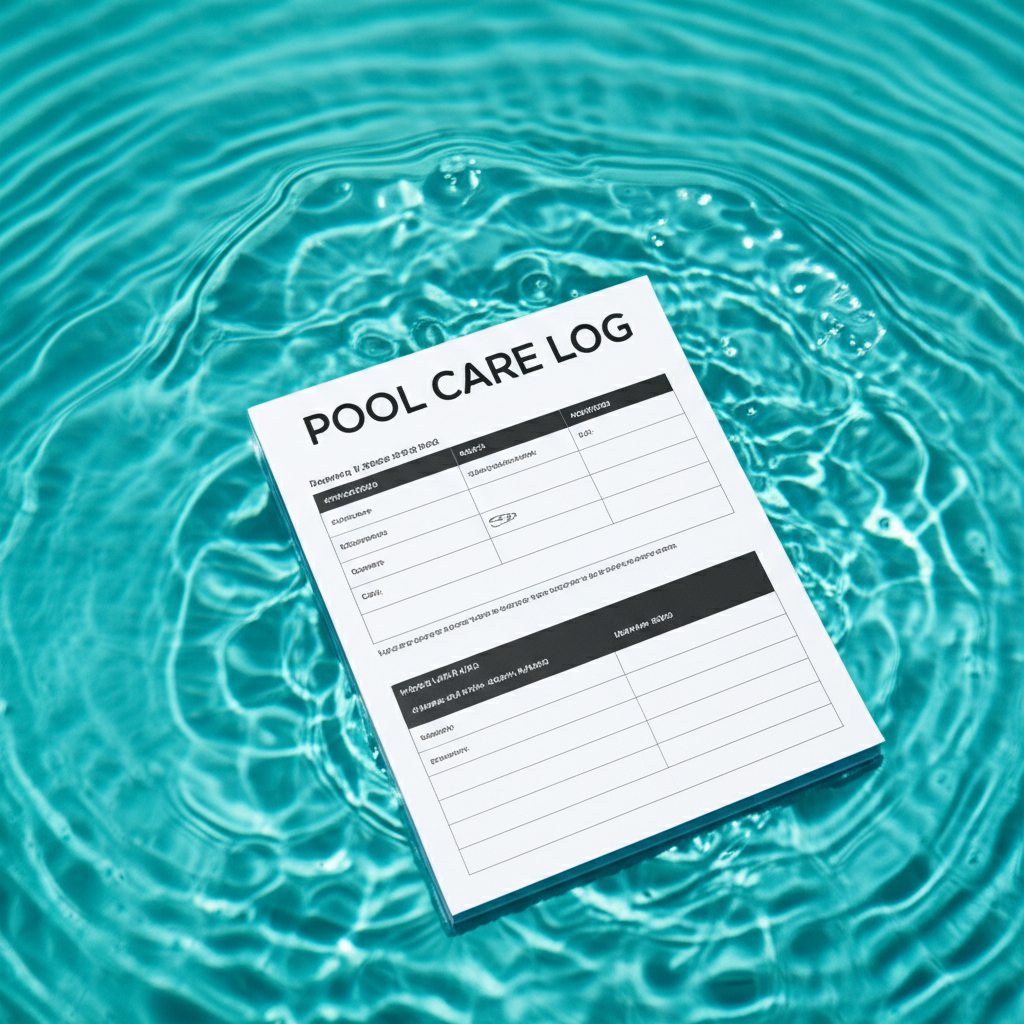
A Pool Care Log is more than just a notebook; it’s an indispensable tool for any pool owner seeking to maintain pristine water quality and ensure the longevity of their swimming haven. Forget the days of guesswork and reactive problem-solving. By consistently documenting your pool’s vital statistics and maintenance activities, you transform pool care from a chore into a precise, manageable, and ultimately, rewarding process. It’s the secret weapon for a sparkling, healthy pool that you can enjoy with complete confidence.
The Undeniable Benefits of a Dedicated Pool Care Log
Why bother with a log when you can simply test the water and add chemicals as needed? The answer lies in the power of historical data and proactive management. A well-maintained log offers a multitude of advantages:
Saves Time and Money: By tracking chemical usage and water parameters, you quickly learn what your pool needs, when it needs it, and in what quantities. This prevents over-dosing, under-dosing, and the costly cycle of correcting imbalances that could have been avoided. Early detection of potential issues, from algae blooms to equipment malfunctions, means smaller, less expensive fixes.
Ensures Consistent Water Quality: The health and safety of your swimmers depend on balanced water. A log provides a complete Water Test Log history, making it easy to spot trends and maintain optimal levels for sanitizers, pH, alkalinity, and more. This translates to comfortable swimming, reduced irritation, and a significantly lower risk of waterborne illnesses.
Simplifies Troubleshooting: When a problem arises – be it cloudy water, persistent algae, or unusual chemical readings – your log offers a roadmap to investigation. By cross-referencing past readings, chemical additions, and environmental factors, you can quickly identify patterns and pinpoint the root cause, leading to faster, more effective solutions.
Extends Equipment Life: Regular maintenance, accurately recorded, ensures your pump, filter, heater, and other components are operating optimally. Tracking backwashing schedules, filter cleanings, and pressure readings can help you identify potential issues before they escalate into costly repairs or replacements.
Provides Peace of Mind: Knowing you have a clear, documented history of your pool’s health is incredibly reassuring. It takes the stress out of pool ownership, allowing you to simply enjoy your investment.
The Essential Elements of a Pool Care Log
To be truly effective, your log needs to capture specific, actionable data. Think of it as your pool’s health record. While you can customize it, here are the core components you should always include:
1. Date and Time: This is fundamental. Knowing when a reading was taken or an action was performed is crucial for trend analysis.
2. Water Test Readings (Your Water Test Log): This is the heart of your log. Record every parameter tested, including:
pH: Ideal range (7.4-7.6)
Free Chlorine/Sanitizer Levels: Depending on your system (e.g., 1-3 ppm for chlorine)
Total Alkalinity: Stabilizes pH (80-120 ppm)
Calcium Hardness: Prevents corrosion and scaling (200-400 ppm)
Cyanuric Acid (CYA): Stabilizes chlorine (30-50 ppm for outdoor pools)
Other tests as needed: Phosphates, metals (copper, iron), salt levels (for salt generators).
3. Chemical Additions: Document every chemical added:
Type of Chemical: (e.g., pH Increaser, Liquid Chlorine, Algaecide)
Amount Added: (e.g., 1 quart, 2 cups, 5 lbs)
Reason for Addition: (e.g., pH low, chlorine low, weekly shock)
4. Maintenance Tasks: Record all routine upkeep:
Cleaning: Skimming, vacuuming, brushing (and whether manually or by robot)
Filter Maintenance: Backwashing, cartridge rinsing/cleaning, DE recharging
Equipment Checks: Inspecting pump baskets, skimmer baskets, water levels
5. Observations: Don’t underestimate the power of anecdotal notes:
Weather Conditions: Heavy rain, extreme heat, strong winds can impact water chemistry.
Swimmer Load: High bather load often requires more sanitization.
Visual Notes: Cloudiness, algae presence (color/location), unusual smells, foam.
Equipment Notes: Unusual noises from the pump, heater issues, leaks.
6. Action Taken/Notes: A space to detail any corrective actions and their results. This helps track what worked (or didn’t) for specific problems.
Making Your Pool Care Log Stunning and Simple
The best log is one you’ll actually use consistently. Here’s how to make it effective and enjoyable:
Choose Your Format:
Waterproof Notebook: Simple, durable, and can be kept poolside.
Binders with Printable Templates: Allows for custom sections and easy organization. Look for free printable Pool Care Log templates online.
Digital Apps/Spreadsheets: Offer convenience for data entry, graphing trends, and accessing from anywhere. Many pool care apps include logging features.
Consistency is Key: Set a regular schedule for testing and logging – daily or a few times a week, especially during heavy use. Make it part of your routine.
Keep it Accessible: Store your log with your test kit and chemicals. If it’s cumbersome to find, you’re less likely to use it.
Be Detailed, But Concise: You don’t need to write an essay. Use abbreviations and quick notes, but ensure the essential data is there.
Review Regularly: Periodically review your log to spot trends. Do you always need more pH increaser after heavy rain? Does your chlorine consistently drop on hot days? This insight helps you anticipate and adjust.
Beyond the Basics: Advanced Uses
Once you’ve mastered the fundamentals, your Pool Care Log can serve even more advanced purposes:
Seasonal Preparation: Documenting chemical levels before opening or closing the pool helps streamline the process for the next season.
Warranty Claims: Proof of regular maintenance from your log can be invaluable if you ever need to make a warranty claim on equipment.
Optimizing Chemical Usage: Over time, your log will reveal patterns in your pool’s chemistry, allowing you to fine-tune chemical additions and potentially reduce overall consumption.
* Selling Your Home: A well-kept log demonstrates meticulous care of your pool, a significant asset that can impress potential buyers.
Embracing a dedicated Pool Care Log is a straightforward step that yields remarkable returns. It transforms pool maintenance from an often-frustrating battle against invisible forces into a systematic, informed process. Start documenting today, and prepare to enjoy a beautifully clean, healthy, and problem-free pool with unparalleled ease.