Outdoor Living: Ultimate Poolside Kitchens
May 4, 2026Best Pool Location: Ultimate Yard Planning
May 7, 2026
- Pool Depth Secrets: Choose Your Perfect Dive
- Understanding Your Lifestyle and Pool Depth Needs
- The Critical Role of Diving Board Depth
- Finding the Perfect Pool Depth Compromise
- Beyond the Depths: Other Considerations for Your Pool
- Conclusion
Pool Depth Secrets: Choose Your Perfect Dive
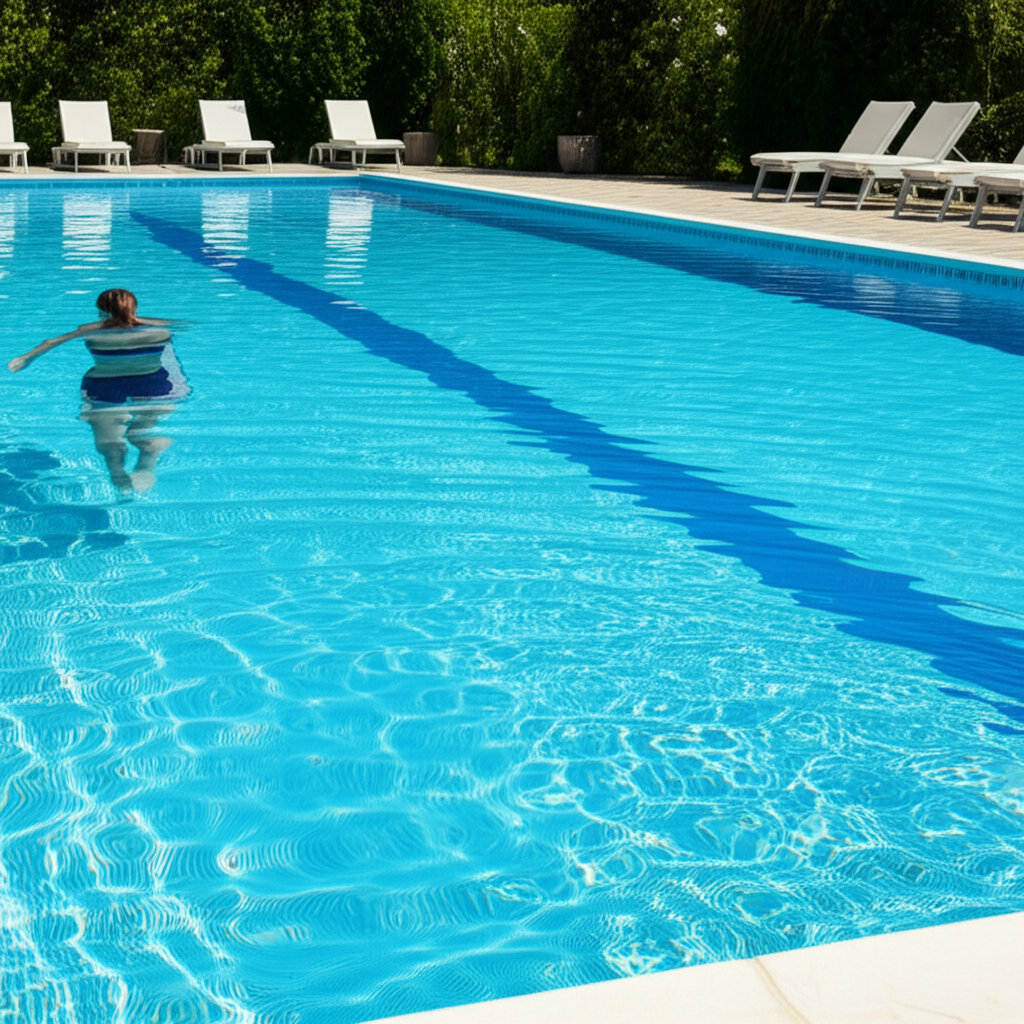
Pool depth is far more than just a number; it’s the fundamental dimension that dictates the safety, functionality, and enjoyment of your aquatic haven. Whether you’re dreaming of a brand-new build or evaluating an existing structure, understanding the nuances of pool depth is crucial for creating an environment that perfectly aligns with your lifestyle and recreational desires. From splash pads for toddlers to exhilarating high dives, every water activity has an optimal, and often critical, depth requirement.
Understanding Your Lifestyle and Pool Depth Needs
The first step in uncovering your ideal pool depth is to honestly assess who will be using the pool and for what purposes. A family with young children will have vastly different needs than a serious lap swimmer or an avid diver.
Shallow End Fun (2-4 feet): This is the heart of family-friendly pools. A depth of 2 to 3 feet is ideal for toddlers and young children to wade and play safely under supervision. It’s also perfect for lounging, socialising, or engaging in water aerobics and rehabilitation exercises. Many pools designed for general recreation feature a significant shallow area as a primary entry point and gathering spot.
General Recreation & Lap Swimming (4-5 feet): For general swimming, floating, and casual games like volleyball or basketball, a uniform depth of 4 to 5 feet often strikes a good balance. This allows most adults to stand comfortably while still deep enough for swimming laps without constantly touching the bottom. It also minimizes heating costs compared to deeper sections.
Deep End Thrills (6+ feet): If jumping, cannonballing, or playing deeper water games are on your agenda, a substantial deep end is essential. Depths typically start at 6 feet and can go much deeper depending on specific activities, particularly diving.
The Critical Role of Diving Board Depth
For many, the allure of a swimming pool includes the exhilarating thrill of a well-executed dive. However, introducing a diving board adds a significant layer of critical safety considerations directly tied to diving board depth. Insufficient depth is the leading cause of serious diving injuries, making adherence to established safety standards non-negotiable.
Minimum Depth Requirements:
1-Meter (3-foot) Diving Board: For a standard residential 1-meter diving board (the most common type for home pools), the minimum recommended depth at the point directly below the board should be at least 9 feet. This depth needs to extend a certain distance forward and backward from the plumb line of the board, gradually sloping upwards. The Association of Pool and Spa Professionals (APSP/ANSI) standards provide detailed geometries, but 9 feet is your absolute minimum in the deep end.
3-Meter (10-foot) Diving Board: These are far less common in residential settings due to the significant depth requirements. Typically, competitive pools require a minimum of 11.5 to 12 feet of water directly under a 3-meter board, with extensive sloped deep areas. This level of depth and associated pool size usually isn’t practical or safe for most backyard installations.
Key Safety Considerations for Diving:
No Diving Signs: If your pool does not meet the minimum depth requirements, “No Diving” signs are absolutely imperative.
Headroom: Ensure there’s adequate overhead clearance from the diving board to any structures (e.g., pergolas, trees).
Supervision: Always supervise divers, especially children, and enforce safe diving practices. Never allow diving into the shallow end.
Board Placement: The diving board should be positioned where the pool is at its deepest point, away from walls, steps, or other obstructions.
Ignoring these guidelines can lead to devastating consequences. When in doubt, err on the side of caution or forgo the diving board altogether if your pool’s design cannot safely accommodate it.
Finding the Perfect Pool Depth Compromise
Most residential pools are designed to accommodate a variety of activities, necessitating a multi-depth approach. Here are common strategies:
Gradual Slope: The most common design sees the pool floor gently sloping from a shallow end (e.g., 3-4 feet) down to a deeper end (e.g., 6-8 feet). This provides versatility, offering safe entry and play zones while catering to deeper water activities.
L-Shaped Pools: These pools often feature a wide, shallow “leg” for recreation and then turn into a deeper, narrower section for lap swimming or diving. This maximizes usable space for different functions simultaneously.
Hopper Bottom: For pools with diving boards, an abrupt “hopper” or deep spot directly under the board ensures the necessary depth, while the surrounding areas can be shallower.
When designing a pool with varying depths, consider the natural flow of movement and how different areas will be used. Clear visual markers for depth changes can also enhance safety.
Beyond the Depths: Other Considerations for Your Pool
While depth is paramount, several other factors influence your perfect pool choice:
Budget: Deeper pools mean more excavation, more concrete, more liner material, and significantly more water to fill and heat. This directly impacts both initial construction costs and ongoing operational expenses.
Space: A truly deep pool requires a larger footprint overall to allow for appropriate slopes and deep end dimensions, especially if including a diving board.
Local Regulations: Always check with your local municipality for any specific zoning laws or building codes related to pool depth, setbacks, fencing, and safety features.
Maintenance: While depth doesn’t drastically change chemical needs (volume does), cleaning a very deep pool can sometimes require specialized equipment or techniques.
Conclusion
Choosing the right pool depth is a foundational decision that impacts everything from safety to swimming enjoyment. By carefully considering your family’s needs, desired activities, and particularly the critical requirements for diving board depth, you can design or select a pool that provides years of safe, refreshing, and exhilarating aquatic experiences. Don’t rush this vital step – an informed choice today ensures a perfect plunge tomorrow.