Pool Depth Secrets: Choose Your Perfect Dive
May 5, 2026
Pool Loans: Best Effortless Financing Options
May 8, 2026
- Your Backyard Oasis: Mastering Strategic Pool Placement
- The Best Pool Location: A Strategic Approach to Outdoor Living
- Harnessing the Power of Sunlight
- Understanding Wind Patterns
- Prioritizing Privacy and Seclusion
- Navigating Proximity and Accessibility
- Underground: Utilities and Drainage
- Legalities and Local Ordinances
- Integrating with Overall Yard Planning
- Visual Aesthetics and Flow
Your Backyard Oasis: Mastering Strategic Pool Placement
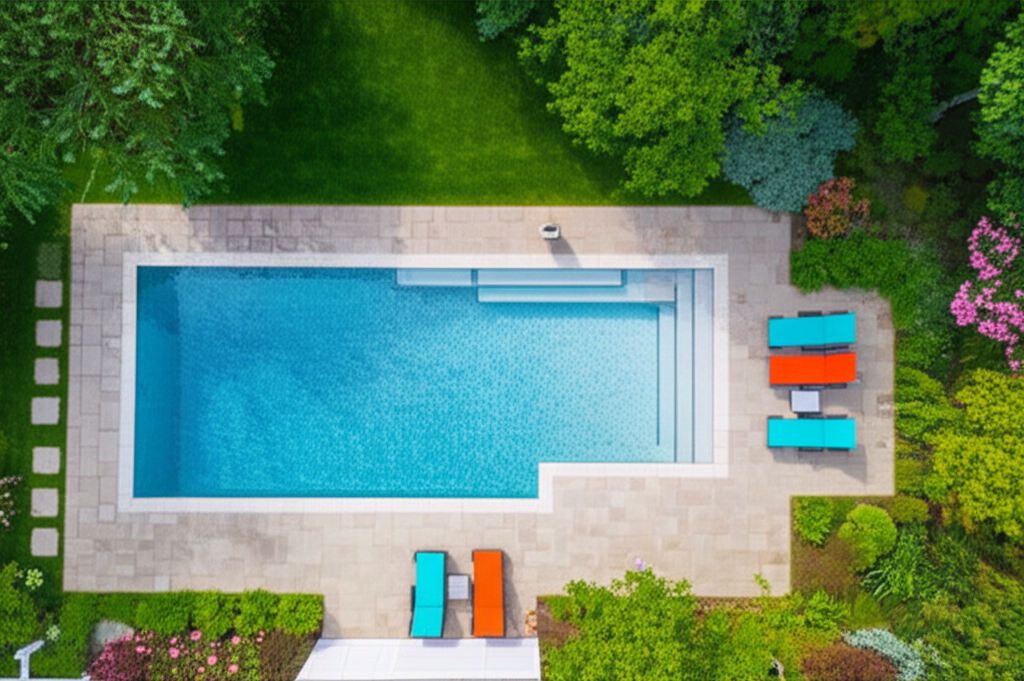
The Best Pool Location is not merely a matter of finding an open spot in your yard; it’s a critical decision that influences everything from daily enjoyment and maintenance to long-term costs and property value. It’s the cornerstone of creating a truly functional, beautiful, and sustainable aquatic haven. When embarking on the exciting journey of installing a swimming pool, many homeowners dream of glistening water and endless summer days. However, the exact placement deserves careful consideration, integrating seamlessly with your existing landscape and future yard planning visions. A thoughtful approach ensures your pool enhances your lifestyle and becomes a cherished part of your outdoor living space.
The Best Pool Location: A Strategic Approach to Outdoor Living
Finding the ideal spot involves a delicate balance of practicalities, aesthetics, and personal preferences. This strategic approach will guide you through the essential factors to consider.
Harnessing the Power of Sunlight
Sunlight is a pool’s best friend. Aim for a location that receives ample direct sunlight for at least 6-8 hours a day, particularly during peak swimming times. This natural heat source significantly reduces the need for artificial heating, saving on energy costs and extending your swimming season. Beyond warmth, sunlight also helps inhibit algae growth, keeping your water cleaner.
Consider the sun’s path throughout the day and across seasons. Are there tall trees or structures that will cast shadows over the proposed pool area? While some shaded areas for lounging are desirable, the pool water itself benefits most from consistent sun exposure.
Understanding Wind Patterns
Prevailing winds can be a significant factor in pool comfort and maintenance. A pool constantly exposed to strong winds will experience greater heat loss through evaporation, leading to higher heating costs and more frequent water refilling. Wind also carries leaves, dust, and other debris into the water, increasing cleaning efforts.
Observe wind patterns in your yard. Can you position the pool in a naturally sheltered spot, perhaps behind your house or a strategically placed fence? If not, consider incorporating windbreaks like solid fencing, privacy screens, or dense landscaping to mitigate the impact of strong breezes.
Prioritizing Privacy and Seclusion
A pool is an intimate space for relaxation and recreation. Privacy is paramount for maximizing enjoyment. Survey your property from the perspective of your neighbors’ windows and common areas. Will their sightlines compromise your sense of seclusion?
Privacy can be achieved through various means. Mature trees, shrubs, and hedges offer natural screening. Custom fencing, pergolas with climbing vines, or strategically placed gazebos can create a private oasis. Plan for privacy from the outset to avoid costly retrofits or a feeling of constant exposure.
Navigating Proximity and Accessibility
How close should your pool be to your home? There’s a sweet spot. Too close, and it might overshadow your house or limit other backyard amenities. Too far, and it becomes inconvenient, especially for quick dips or supervising children.
Consider easy access from changing areas, bathrooms, and the kitchen for refreshments. Safety is also a concern; a visible pool is easier to monitor. Think about accessibility for pool equipment (pumps, filters, heaters) – they need to be close enough for efficient operation but ideally tucked away to minimize noise and visual impact.
Underground: Utilities and Drainage
This is a critical, often overlooked step. Before digging, you must identify all underground utilities. This includes gas lines, water pipes, electrical cables, sewer lines, septic fields, and irrigation systems. Contact your local utility companies (often via a “call before you dig” service like 811) to mark these areas. Building on or too close to utilities can be dangerous and extremely costly.
Proper drainage is equally important. The pool area should be graded to direct rainwater away from your home’s foundation and the pool deck, preventing water pooling and potential damage. Consult with a professional to ensure your pool’s drainage system integrates seamlessly with your overall yard’s natural water flow.
Legalities and Local Ordinances
Local zoning laws and building codes will heavily influence your pool’s placement. These often dictate setbacks from property lines, septic fields, wells, and power lines. There may be specific requirements for fencing, safety covers, and alarm systems. Easements (portions of your property legally designated for utility access) must also be considered, as you cannot build permanent structures within them.
Always consult your local planning department and a reputable pool builder about specific regulations in your area before finalizing any plans. Ignoring these can lead to fines, forced relocation, or even demolition.
Integrating with Overall Yard Planning
The pool should be a harmonious component of your entire outdoor living space, not an isolated feature. This is where comprehensive yard planning comes into play. Think about the flow of activities: moving from the house to the pool, to a patio or outdoor kitchen, to a play area, or a garden.
Consider future additions. Do you envision a fire pit, a hot tub, a spacious deck, or expanded landscaping? Ensure your pool’s placement doesn’t restrict these future aspirations. A well-planned backyard integrates pathways, planting zones, and various activity areas without feeling cramped or disjointed.
Visual Aesthetics and Flow
Finally, how does the pool look from various vantage points – from inside your home, from your patio, and as you enter your backyard? The pool should enhance your property’s visual appeal. Consider the shape and size of the pool relative to your yard, and how it will complement your home’s architecture.
Thoughtful landscaping around the pool can frame it beautifully, adding color, texture, and fragrance. Hardscaping choices for decking and coping should match or complement your home’s exterior materials. A cohesive design ensures your pool feels like an organic extension of your home and garden, truly becoming the backyard oasis you’ve always dreamed of.
By carefully considering these multi-faceted elements, you can pinpoint the absolute best pool location for your property, ensuring years of enjoyment, minimal maintenance headaches, and a stunning addition to your outdoor living experience.