Bromine Sanitizer: Safer, Superior Chlorine Alternative
March 15, 2026
pH Increaser: Effortless & Effective pH Boost
March 18, 2026
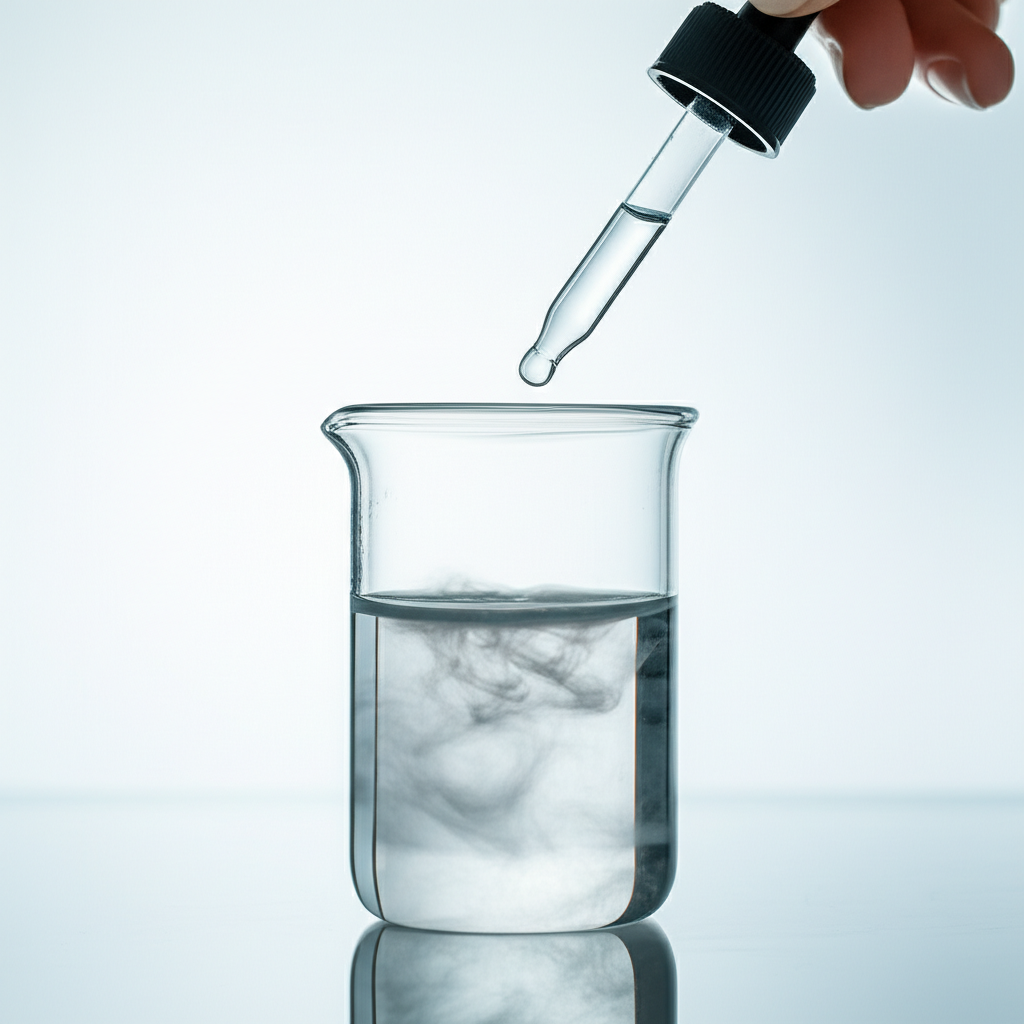
Neutralize Chlorine: Effortless & Best Solutions for Healthier Living
Neutralize chlorine effectively is a common concern for many, whether it’s for optimizing drinking water, maintaining a healthy pool, or ensuring the well-being of aquatic pets and plants. Chlorine, while vital for sanitization, can have adverse effects when present in high concentrations. Understanding its impact and implementing the right neutralization strategies can significantly improve your quality of life, safeguarding your health, home, and environment.
Why Is Neutralizing Chlorine Important?
Chlorine is a powerful disinfectant used globally in municipal water treatment facilities to kill bacteria and viruses, making tap water safe to drink. However, its disinfecting power doesn’t stop once it leaves the treatment plant. Residual chlorine can linger, leading to a host of issues:
Health Concerns: Ingesting chlorinated water can produce disinfection by-products (DBPs) such as trihalomethanes (THMs), which are linked to various health problems. Furthermore, chlorine can irritate skin and eyes during bathing and showering, contributing to dryness, exacerbated conditions like eczema, and even hair damage.
Taste and Odor: The distinctive “bleach” smell and taste of chlorinated water are often unpleasant, affecting the palatability of drinking water and the flavor of food cooked with it.
Aquatic Life: For fish, amphibians, and other aquatic organisms, chlorine is highly toxic. Even small amounts can damage gills, stress immune systems, and be lethal.
Plant Health: While some chlorine might be tolerated, watering plants with high concentrations, especially those sensitive to chemicals, can inhibit nutrient uptake and damage roots, leading to stunted growth or wilting.
Pool and Spa Balance: After shocking a pool or spa, high chlorine levels can render the water unusable for extended periods, delay enjoyment, and potentially damage pool liners or equipment if not properly addressed.
Understanding High Chlorine and Its Sources
The most common source of chlorine in household water is your municipal supply. Water treatment plants introduce chlorine (or chloramines, a more stable form of chlorine combined with ammonia) to disinfect water. The levels are typically regulated but can vary.
In pools and spas, high chlorine levels usually result from “shock treatments” designed to eliminate algae, bacteria, and other contaminants by rapidly increasing the sanitizer concentration. While necessary periodically, these elevated levels need to be brought back down before use.
Recognizing the signs of high chlorine is crucial: a strong chemical odor, cloudy or discolored water (in pools), skin irritation after showering, or distressed aquatic life are all indicators that neutralization may be necessary.
Effortless Solutions for Neutralizing Chlorine in Tap Water
Dealing with chlorine in your everyday tap water is arguably the most common need. Here are some of the best and most effortless solutions:
1. Activated Carbon Filters: These are the gold standard for removing chlorine and chloramines from drinking water.
Pitcher Filters: Simple and affordable for small quantities of drinking water.
Faucet-Mounted Filters: Provide on-demand filtered water directly from your tap.
Under-Sink Filters: Offer a dedicated filtered water line, often with multiple stages of filtration.
Whole-House Filters: The ultimate solution, treating all water entering your home, protecting skin, hair, and appliances.
2. Ascorbic Acid (Vitamin C): A powerful and safe dechlorinator, especially useful for bath and shower applications. Vitamin C shower filters are readily available and instantly neutralize chlorine upon contact, providing a gentler experience for skin and hair. Food-grade ascorbic acid crystals can also be added directly to bathwater.
3. Boiling: For small amounts of water, boiling for 15-20 minutes can evaporate chlorine gas. However, this is less effective for chloramines, which are more stable.
4. Allowing Water to Off-Gas: Leaving water in an open container for 24-48 hours allows chlorine gas to dissipate naturally. This method is free but time-consuming and also less effective for chloramines.
Neutralizing Chlorine in Pools and Spas
When your pool or spa has high chlorine* levels after a shock treatment, chemical neutralizers are the fastest and most reliable option.
1. Sodium Thiosulfate: This is the most widely used and effective chemical dechlorinator for pools. It instantly neutralizes chlorine. Always follow manufacturer instructions for dosing, as adding too much can lower pH and potentially bind with other chemicals.
2. Hydrogen Peroxide: Can also be used to neutralize chlorine, but it’s less common and requires careful handling and precise dosing. It breaks down into water and oxygen, leaving no chemical residue.
3. Time and Sunlight: If you’re not in a hurry, direct sunlight and aeration can naturally break down chlorine over a few days, though this is dependent on weather conditions and initial chlorine concentration.
Addressing Chlorine for Aquariums and Ponds
For aquatic environments, chlorine and chloramines are lethal.
1. Dedicated Dechlorinators: These specialized aquarium and pond products (often sodium thiosulfate-based) are essential for treating tap water before adding it to tanks or ponds during water changes. They work almost instantly and often include conditioners that protect fish slime coat.
2. Reverse Osmosis (RO) / Deionization (DI) water: RODI systems effectively remove all dissolved solids, including chlorine and chloramines, producing pristine water. While an upfront investment, it offers superior water quality for sensitive aquatic life.
Neutralizing Chlorine for Your Garden
Your garden plants can also benefit from chlorine-free water.
1. Letting Water Sit: Similar to indoor use, filling watering cans or barrels and letting them sit for 24 hours allows most chlorine to evaporate.
2. Ascorbic Acid Crystals: For larger volumes or immediate use, a pinch of food-grade ascorbic acid crystals can quickly neutralize chlorine in a watering can or rain barrel.
3. Hose-End Filters: Activated carbon filters designed to attach to garden hoses can provide dechlorinated water directly for irrigation.
Choosing the Best Solution
The “best” solution for you depends on the context, the volume of water, and whether you’re dealing with just chlorine or also chloramines. For comprehensive, everyday use, a whole-house activated carbon filter offers unparalleled convenience and benefits for your entire household. For specific needs like pools or aquariums, targeted chemical neutralizers are usually the most efficient.
Ultimately, by understanding the presence and impact of chlorine and implementing these effortless and effective neutralization methods, you can ensure a healthier, more pleasant environment for yourself, your family, pets, and plants.