Chlorine Lock: Critical Fix for Ineffective Chlorine
March 14, 2026
Neutralize Chlorine: Effortless & Best Solutions
March 16, 2026
- Why Consider a Chlorine Alternative?
- Understanding How Bromine Sanitizer Works
- Key Benefits of Bromine Sanitizer
- Gentle on Skin and Eyes
- Odorless and More Comfortable
- Stable Across pH Levels
- Lasting Power, Especially in Hot Water
- Bromine Sanitizer: A Superior Chlorine Alternative
- Practical Tips for Using Bromine Sanitizer
- Is Bromine Sanitizer the Right Choice for Your Water?
- Conclusion: Embracing a Better Sanitization Experience
Bromine Sanitizer has emerged as a compelling choice for those seeking an effective and more comfortable alternative to traditional chlorine-based water treatment. Often hailed as a superior sanitizing agent, especially for hot tubs and spas, bromine offers a range of benefits that address many of the common complaints associated with chlorine, providing a cleaner, gentler, and more stable sanitization experience.
Why Consider a Chlorine Alternative?
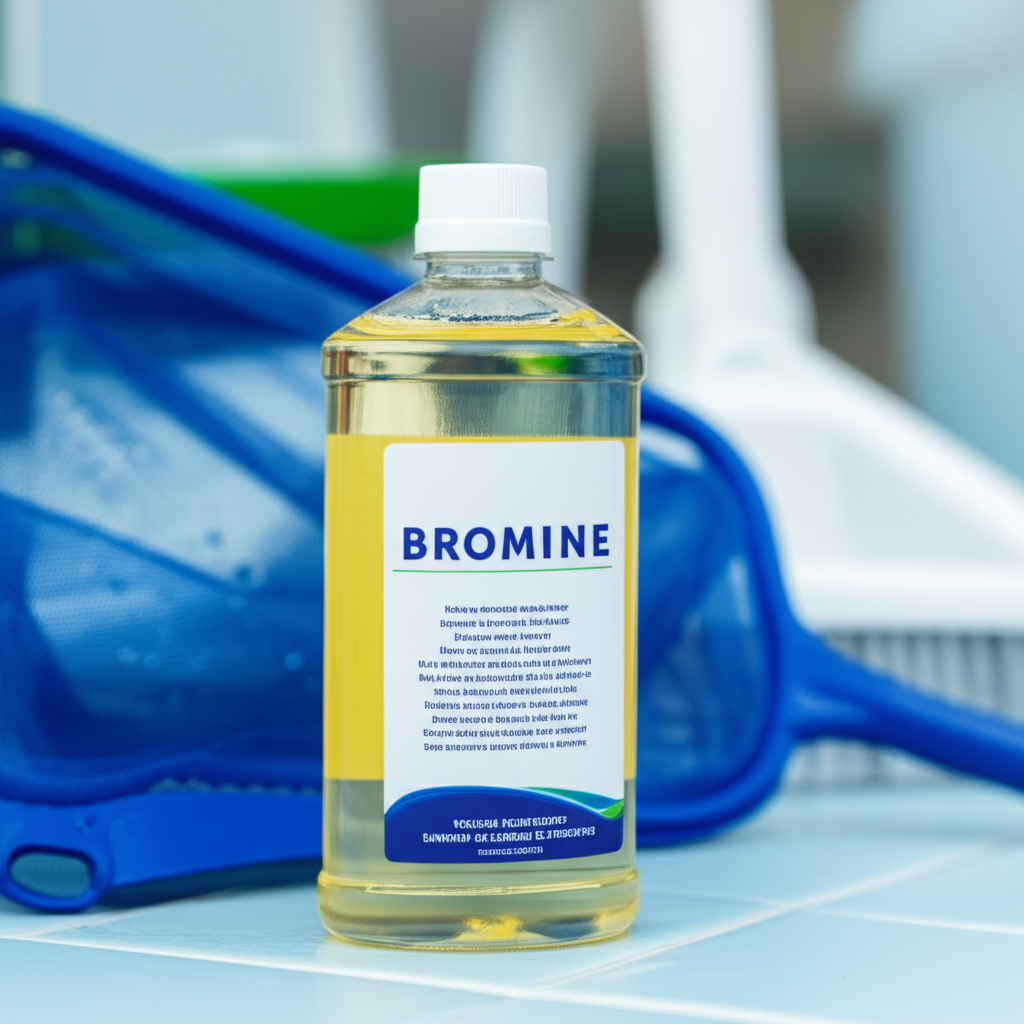
For decades, chlorine has been the dominant sanitizer for pools, spas, and hot tubs. While undoubtedly effective at killing bacteria and algae, it comes with several drawbacks that frequently lead users to search for a different solution. The strong chemical odor, often described as a “pool smell,” isn’t actually chlorine itself, but chloramines – chemical byproducts formed when chlorine reacts with organic contaminants like sweat, lotions, and urine. These chloramines are also responsible for the eye irritation, dry skin, and faded swimwear that often accompany chlorinated water. Furthermore, chlorine can be quite volatile, especially in hot water or direct sunlight, degrading quickly and requiring frequent reapplication to maintain adequate sanitization levels. Faced with these common issues, many are actively exploring viable, user-friendly alternatives.
Understanding How Bromine Sanitizer Works
At its core, bromine is a halogen, much like chlorine, meaning it disinfects water by oxidizing contaminants. When bromine is added to water, it forms hypobromous acid, which acts as a powerful sanitizer, attacking bacteria, viruses, and other microorganisms by disrupting their cellular structure. What sets bromine apart, however, is the way it reacts after sanitizing. Unlike chlorine, which creates chloramines, bromine forms bromamines when it combines with contaminants. These bromamines are not only significantly less odorous and irritating than chloramines but also retain some sanitizing power. This means they continue to work to a certain extent, and can be reactivated back into hypobromous acid through an oxidizer like non-chlorine shock, leading to a more efficient and long-lasting sanitization cycle.
Key Benefits of Bromine Sanitizer
Bromine brings a host of advantages that make it an attractive option for conscientious water owners.
Gentle on Skin and Eyes
One of the most praised attributes of bromine is its mildness. Because bromamines are less reactive than chloramines, they cause significantly less irritation to skin and eyes. This is a huge relief for sensitive individuals, children, or anyone who frequently spends time in treated water, allowing for a more enjoyable and less uncomfortable experience.
Odorless and More Comfortable
The absence of a harsh chemical smell is another major benefit. Where chlorine can leave a distinct scent on skin and hair, bromine is virtually odor-free. This creates a more pleasant atmosphere around the water, especially in enclosed spaces like indoor hot tubs or spas, enhancing relaxation and reducing the feeling of being in a “chemical bath.”
Stable Across pH Levels
Water pH can be a constant balancing act for chlorine users. Chlorine’s effectiveness diminishes significantly as pH levels deviate from the ideal range. Bromine, in contrast, is far more stable and effective across a wider range of pH levels. This resilience simplifies water chemistry management, reducing the frequency of pH adjustments and making it more forgiving for beginners.
Lasting Power, Especially in Hot Water
Bromine possesses superior stability in higher temperatures and direct sunlight compared to chlorine. This makes it an ideal choice for hot tubs and spas, where water temperatures are consistently elevated and can cause rapid chlorine degradation. Bromine maintains its sanitizing power for longer in these conditions, requiring less frequent replenishment and ensuring continuous protection against contaminants.
Bromine Sanitizer: A Superior Chlorine Alternative
When comparing the two sanitation titans directly, bromine often emerges as the preferred chlorine alternative for specific applications, particularly hot tubs and spas.
Chlorine is known for its rapid action and potent sanitizing abilities in pools, but its quick degradation in warm water and the formation of irritating chloramines can be problematic. Bromine, on the other hand, offers a more resilient and comfortable experience. Its stability in hot water means it can maintain consistent sanitization levels for longer periods, even with heavy bather load. The mildness of bromamines also translates into significant comfort benefits, making the water more inviting and reducing post-soak irritation. While chlorine is often cheaper upfront, bromine’s longevity and reduced need for additional products (like clarifiers or de-foamers) can lead to comparable or even lower long-term costs. For those prioritizing comfort, convenience, and consistent performance in warm water environments, bromine clearly shines as the superior choice.
Practical Tips for Using Bromine Sanitizer
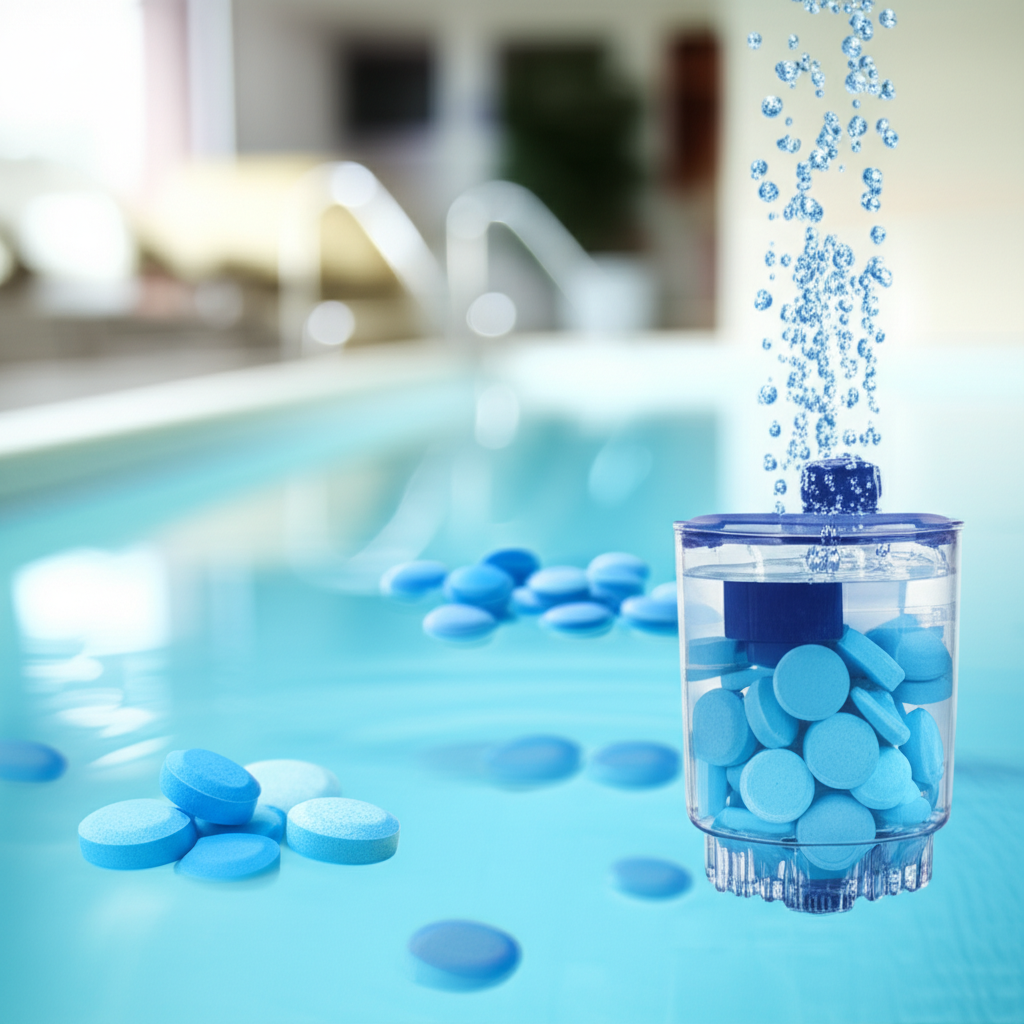
Transitioning to bromine is straightforward. Bromine is typically available in tablet form, designed to be dispensed slowly using a floating dispenser or an in-line feeder built into your spa’s plumbing.
Initial Setup: When starting with bromine, it’s recommended to “establish a bromine bank” by using a bromine booster or non-chlorine shock to convert bromide ions into active bromine.
Maintain Levels: Aim for a bromine residual of 2-4 ppm (parts per million) in your water. Test regularly with appropriate test strips.
Shock Routinely: Periodically “shock” your water with a non-chlorine oxidizer to reactivate depleted bromamines and eliminate organic waste. This helps regenerate the bromine and keeps it working efficiently.
Water Changes: Even with diligent sanitization, organic matter and dissolved solids accumulate over time. Follow your spa or hot tub manufacturer’s recommendations for draining and refilling, typically every 3-4 months.
Is Bromine Sanitizer the Right Choice for Your Water?
Ultimately, the best sanitizer depends on your specific needs and priorities. For those who own hot tubs or spas, experience skin or eye sensitivity, dislike the strong odor of chlorine, or simply seek a more stable and low-maintenance sanitizing agent, bromine presents a highly attractive option. Its proven effectiveness, combined with its user-friendly nature and comfort benefits, makes it a robust contender for anyone looking for a premium water treatment solution.
Conclusion: Embracing a Better Sanitization Experience
Moving beyond the traditional chlorine paradigm, Bromine Sanitizer offers a refreshing approach to water care. Its inherent stability, gentleness, and powerful sanitizing capabilities provide a cleaner, more comfortable, and consistently inviting water experience. By understanding its unique advantages, users can make an informed choice, transforming their hot tub or spa into a truly pristine and enjoyable oasis, free from harsh chemical odors and irritation.