Raise Alkalinity: Effortless Baking Soda Secrets
March 20, 2026
Pool Flocculant vs. Clarifier: Best Choice for Stunning Water
March 26, 2026
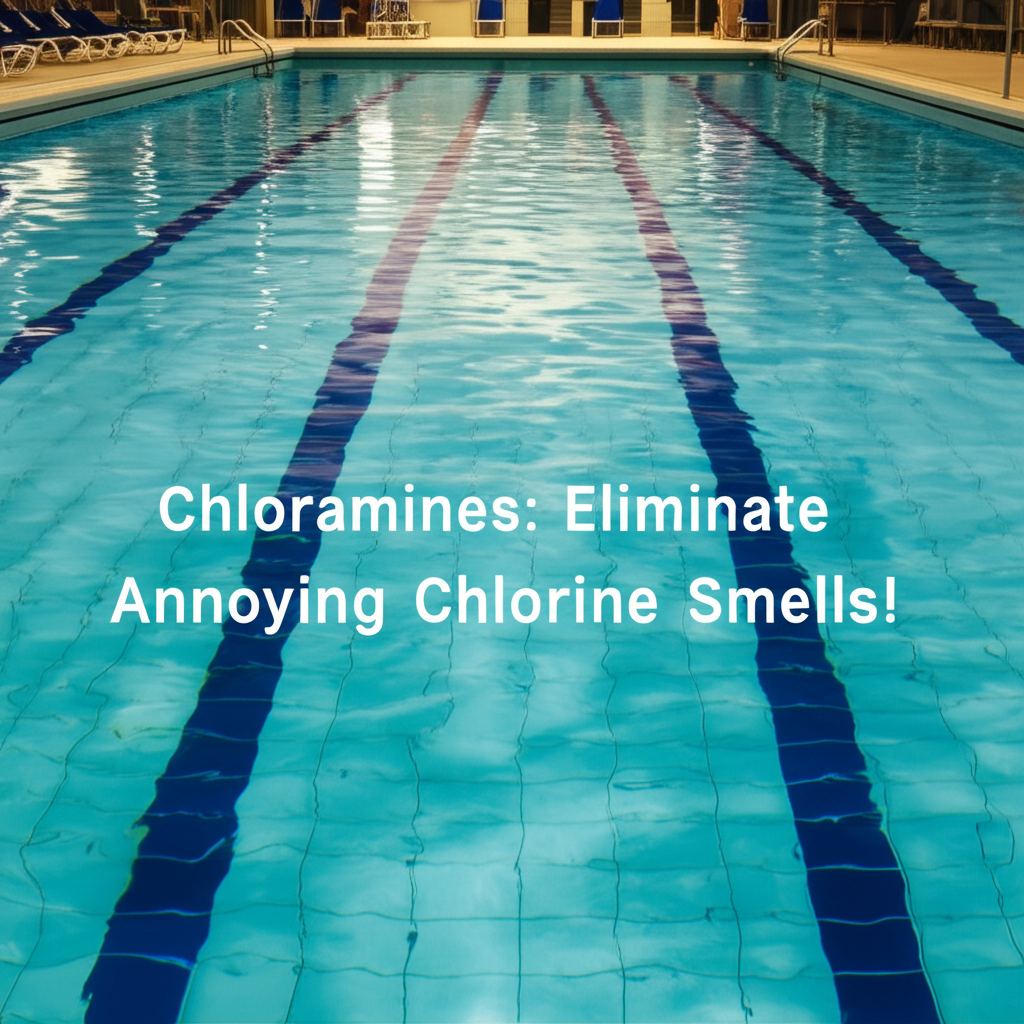
- What Exactly Are Chloramines?
- The Misconception: The "Chlorine Smell" Isn't Free Chlorine
- Beyond the Smell: Why Chloramines Matter
- How Do You Eliminate Troublesome Chloramines?
- For Swimming Pools:
- For Tap Water:
- Prevention is Key: Reducing the Formation of Chloramines
Chloramines are often the unseen culprits behind that pungent, eye-stinging odor we commonly associate with swimming pools, and sometimes even tap water. Far from being a sign of a “clean” pool or highly disinfected water, a strong chlorine smell actually indicates a chemical reaction gone awry – a build-up of these less effective, less pleasant compounds. Understanding what chloramines are, why they form, and critically, how to eliminate them, is key to enjoying truly clean, comfortable, and odor-free water.
What Exactly Are Chloramines?
To properly understand chloramines, it’s essential to first differentiate them from free chlorine. Free chlorine is the active disinfectant added to water. Its job is to seek out and neutralize pathogens, bacteria, and viruses. When free chlorine successfully oxidizes these contaminants, or reacts with nitrogen-containing compounds – such as sweat, urine, body oils, and other organic matter introduced by swimmers – it then forms chloramines.
Essentially, chloramines are “spent” or “bound” chlorine. They are a combination of chlorine and ammonia (or other nitrogen compounds). While they do possess some disinfectant properties, they are significantly less potent than free chlorine and, crucially, they are responsible for the undesirable odors and irritations that free chlorine, when properly balanced, does not cause. Water treatment facilities sometimes intentionally add ammonia to water to form chloramines, as they are more stable and provide a longer-lasting residual disinfection in distribution pipes. However, in pools, their presence is almost always a sign of inadequate water management.
The Misconception: The “Chlorine Smell” Isn’t Free Chlorine
One of the most pervasive myths about swimming pools is that a strong chlorine smell means the water is heavily chlorinated and therefore clean. This couldn’t be further from the truth. In reality, a potent, pervasive swimming pool odor signals a high concentration of chloramines. If a pool were perfectly clean with adequate levels of free chlorine, there would be little to no noticeable smell.
The reason chloramines cause such a strong chlorine smell is that they are highly volatile and easily vaporize into the air. This is why you detect the odor not just when you’re in the water, but often around the entire pool area, especially indoors where ventilation can be poor. This airborne presence is also what leads to irritated eyes, itchy skin, and respiratory discomfort – symptoms often mistakenly attributed to “too much chlorine.” In fact, these are classic symptoms of chloramine exposure.
Beyond the Smell: Why Chloramines Matter
The foul odor is just the tip of the iceberg when it comes to problems caused by chloramines. Their presence indicates:
Reduced Disinfection Efficiency: Every molecule of chlorine bound up in chloramines is a molecule that isn’t available as active free chlorine to sanitize the water effectively. This means that despite having “chlorine” in the water, the actual pathogen-killing power is diminished, making the water less safe.
Health and Comfort Issues: Beyond the aforementioned eye and skin irritation, chloramines can exacerbate respiratory issues like asthma, particularly in enclosed environments like indoor pools. Professional swimmers and lifeguards are especially susceptible to these occupational hazards.
Structural Damage: Over time, high levels of airborne chloramines, particularly in indoor environments, can lead to corrosion of metal structures, ventilation systems, and even building materials. This is a significant concern for the longevity and maintenance of pool facilities.
How Do You Eliminate Troublesome Chloramines?
Tackling the strong chlorine smell and the underlying chloramine problem requires different approaches depending on whether you’re dealing with a swimming pool or your household tap water.
For Swimming Pools:
The primary method for eliminating chloramines in pools is known as “breakpoint chlorination,” more commonly called “shocking” the pool.
1. Breakpoint Chlorination: This involves adding a significantly higher dose of chlorine (usually twice the normal amount) than is typically required for daily sanitation. The goal is to add enough free chlorine to completely oxidize and break down the existing chloramines. You need to ensure the free chlorine level is about 10 times higher than the combined chlorine (chloramine) level for about 4-8 hours. Surprisingly, after a successful shock, the pool’s strong chlorine smell will actually diminish as the chloramines are destroyed.
2. UV Sanitation Systems: Ultraviolet (UV) light systems, when integrated into a pool’s circulation system, are highly effective at breaking down chloramines and other unwanted organic compounds through photolysis.
3. Proper Filtration and Circulation: Regularly cleaning and backwashing your filter, along with ensuring adequate water circulation, helps remove organic matter before it can react with chlorine to form chloramines.
4. Enforce Pre-Swim Showers: Encouraging swimmers to shower before entering the pool significantly reduces the amount of sweat, oils, and other nitrogen compounds introduced into the water, thereby minimizing chloramine formation.
For Tap Water:
If you notice a strong chlorine smell in your household water, especially after showers, it’s likely due to chloramines that water treatment plants use for disinfection stability.
1. Activated Carbon Filtration: This is the most common and effective method for removing chloramines from tap water. Whole-house carbon filters can treat all water entering your home, while point-of-use filters (like pitcher filters or faucet attachments) address specific taps. Look for filters specifically rated for chloramine reduction, as not all carbon filters are equally effective.
2. Reverse Osmosis (RO) Systems: RO systems are highly efficient at removing a wide range of contaminants, including chloramines, heavy metals, and dissolved solids. They are typically installed at a single tap (e.g., under the kitchen sink) for drinking and cooking water.
3. Chemical Neutralizers: For smaller-scale applications, such as filling a fish tank or neutralizing water for sensitive plants, readily available dechlorinating chemicals (like sodium thiosulfate or ascorbic acid) can quickly break down chloramines.
Prevention is Key: Reducing the Formation of Chloramines
While elimination methods are crucial, proactively preventing the formation of chloramines is equally important.
Maintain Proper Water Chemistry: Regularly test and balance your pool’s pH, alkalinity, and calcium hardness. Optimal water chemistry helps chlorine work more efficiently and reduces the likelihood of undesirable side reactions.
Good Ventilation: For indoor pools, robust ventilation systems are essential to exhaust off-gassing chloramines and bring in fresh air, significantly enhancing comfort and air quality.
Educate Pool Users: Simple signage encouraging pre-swim showers and emphasizing good hygiene can make a big difference in reducing the organic load on pool water.
In conclusion, that strong chlorine smell is not a badge of cleanliness, but rather a warning sign of increased chloramines. By understanding their formation and implementing appropriate prevention and elimination strategies, you can enjoy water that is truly clean, safe, and free from irritating odors – whether it’s your backyard pool or the water flowing from your kitchen tap.