Winter Pool Care: Ultimate Easy Checklist
February 8, 2026
Leaf Removal: Stunningly Clean Pool
February 11, 2026
- The Undeniable Importance of Algae Brushing
- Choosing the Right Tools for Effective Brushing
- The Art of Brushing Pool Walls: Techniques for Success
- Integrating Brushing into Your Algae Removal Strategy
- The Long-Term Benefits of Regular Brushing
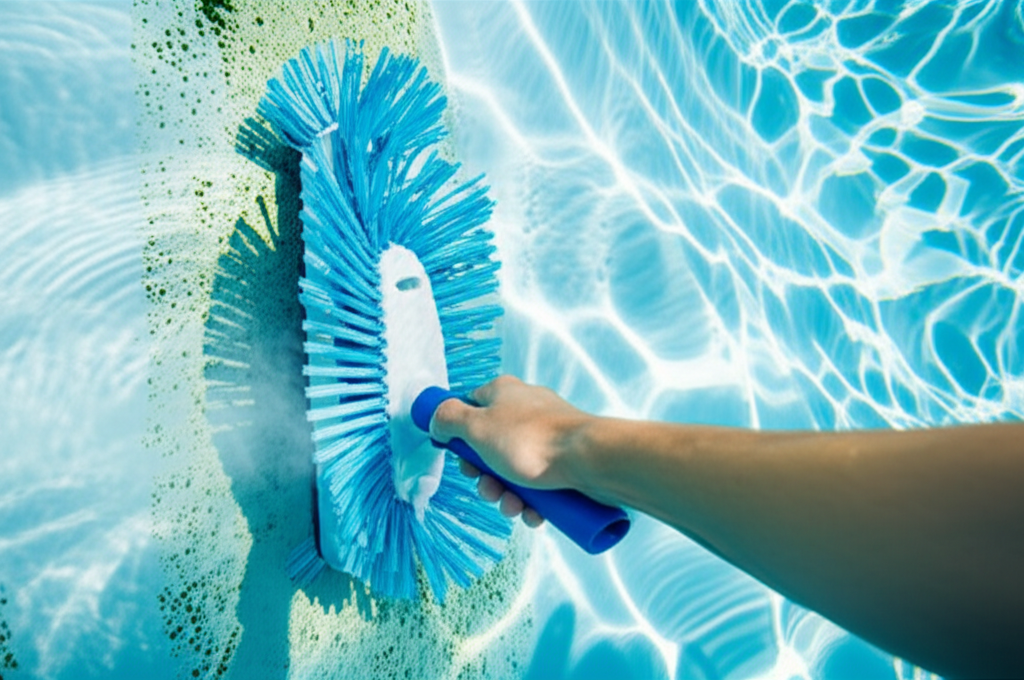
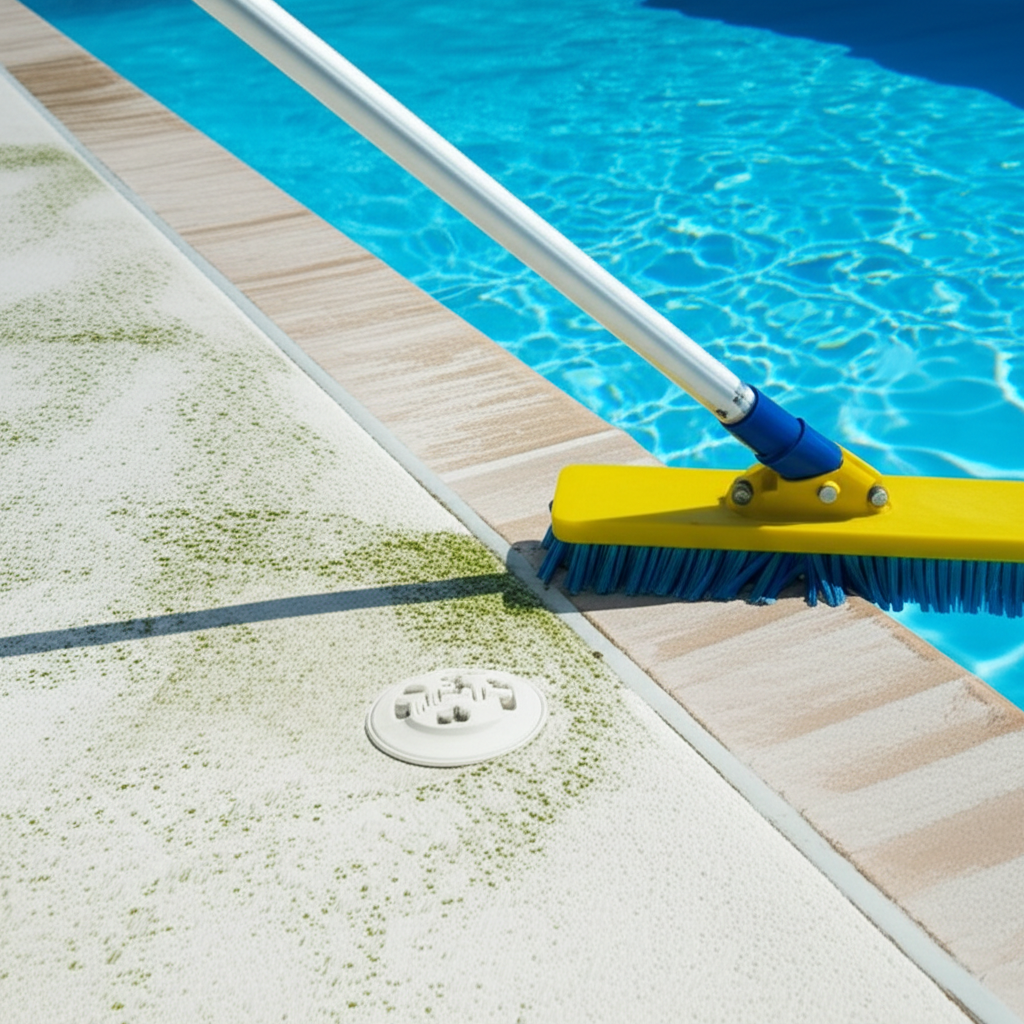
Brushing Pool Walls is a fundamental, yet often underestimated, chore in maintaining a pristine swimming environment. Far from being a mere splash in the water, this simple act is arguably the most effective and effortless method for preventing and removing unsightly algae. A brilliantly clean pool isn’t just a joy to behold; it’s also a healthier space for swimming, and regular brushing is your first line of defense against the microscopic invaders that threaten its clarity.
The Undeniable Importance of Algae Brushing
Algae are microscopic plant-like organisms that thrive in warm, nutrient-rich water, clinging tenaciously to pool surfaces. While chemical treatments like algaecides and shock are crucial for killing these organisms, they often aren’t enough on their own. Algae spores embed themselves into the porous surfaces of your pool walls, floor, steps, and even inside pipes. If these spores aren’t physically dislodged, killed algae can reform quickly, leading to an endless cycle of chemical treatment and recurring green, black, or mustard growths.
This is where algae brushing comes into play. Brushing vigorously loosens these embedded spores, allowing your pool’s filtration system to capture them effectively or enabling the chemicals to penetrate more deeply and eliminate them. It’s the difference between treating a symptom and addressing the root cause. Moreover, regular brushing prevents algae from ever taking hold in the first place, saving you time, money, and the considerable headache of a full-blown algae bloom.
Choosing the Right Tools for Effective Brushing
While the act of brushing is straightforward, selecting the appropriate brush is critical for both effectiveness and protecting your pool’s surface.
Nylon Bristle Brushes: Ideal for vinyl liners, fiberglass, painted surfaces, and tile. The softer bristles prevent scratching while still being firm enough to dislodge most algae. These are your go-to for general weekly maintenance.
Wire Bristle Brushes (Stainless Steel or Steel): These are specifically designed for plaster, gunite, or concrete pools. The stiff metal bristles are highly effective at scrubbing away tough algae, including stubborn black algae, without damaging these durable surfaces. Never use a wire brush on vinyl, fiberglass, or painted pools, as it will cause irreversible damage.
Combination Brushes: Some brushes feature a mix of nylon and wire bristles, offering a versatile option for plaster pools that might have minor grout lines or mosaic tiles where a pure wire brush could be too aggressive.
Telescoping Pole: A sturdy, good-quality telescoping pole is essential. It provides the leverage and reach needed to access all areas of your pool, from the deep end floor to high walls. Look for one with a strong locking mechanism to prevent slippage during use.
Always inspect your brush periodically for wear and tear. Worn bristles lose their effectiveness, making your brushing efforts less productive.
The Art of Brushing Pool Walls: Techniques for Success
Mastering the technique of brushing pool walls is as important as choosing the right tool. Consistency and thoroughness are key.
1. Frequency: For preventative maintenance, brush your pool walls, steps, and floor at least once a week. If you’re combating an active algae bloom, you might need to brush daily, or even twice a day, in conjunction with chemical treatments.
2. Start from the Top: Begin at the waterline and work your way down to the floor. This method pushes dislodged algae downwards, where it can be brushed again or settled for vacuuming.
3. Use Overlapping Strokes: Apply firm, consistent pressure. Use overlapping strokes, similar to how you would paint a wall, to ensure no spot is missed.
4. Pay Attention to Corners and Cracks: Algae loves to hide in shaded areas, cracks, crevices, grout lines, and behind ladders and steps. Give these spots extra attention. You might need a specialized corner brush for particularly tricky angles.
5. Don’t Forget the Floor: While the focus is often on walls, pool floors also harbor algae. Give the entire floor a good scrub.
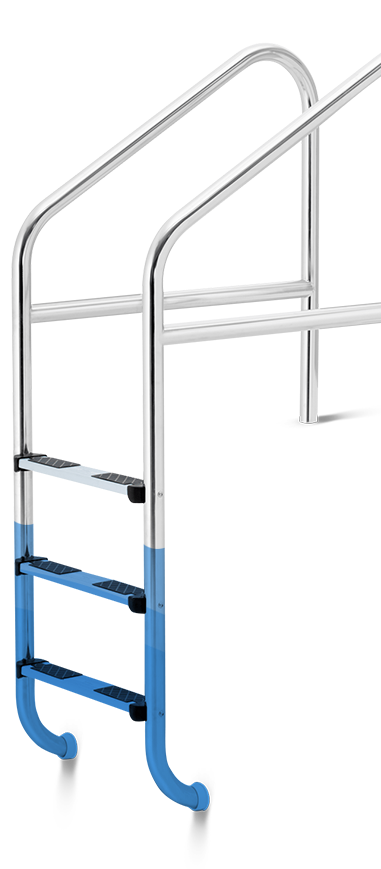
6. Stairs and Ladders: These areas are high-traffic and often overlooked. Brush them thoroughly.
7. Systematic Approach: Divide your pool into sections mentally to ensure you cover every square inch. A typical approach is to do one wall completely, then move to the next.
Brush walls until the water around the brush appears cloudy, indicating that the algae have been successfully dislodged.
Integrating Brushing into Your Algae Removal Strategy
Brushing isn’t a standalone solution; it’s a vital component of a comprehensive pool cleaning regimen.
Brush Before Shocking: If you’re battling an active algae bloom, always brush your pool before adding shock or algaecide. This dislodges the algae, allowing the chemicals to penetrate deeply and have maximum impact.
Run Your Filter: After brushing, run your pool filter for at least 8-12 hours, or even 24 hours if you have a significant algae problem. This allows the filtration system to capture all the dislodged algae particles.
Backwash/Clean Filter: Once the water clarity improves, backwash your sand or DE filter, or clean your cartridge filter, to remove the captured algae and debris. This prevents it from being reintroduced into the pool.
Vacuum: For heavier algae blooms, you might need to vacuum the settled debris directly to waste, bypassing your filter, to avoid clogging it prematurely.
Maintain Water Chemistry: Regularly test and balance your pool water. Proper pH, alkalinity, and sanitizer levels (chlorine) are crucial for preventing future algae growth. Consistently low sanitizer levels are an open invitation for algae.
The Long-Term Benefits of Regular Brushing
Beyond immediate algae removal, regular algae brushing offers several long-term advantages:
Extended Pool Surface Lifespan: By removing algae buildup, you prevent it from staining or etching your pool surfaces, potentially extending the life of your plaster, vinyl, or fiberglass.
Reduced Chemical Consumption: Preventative brushing means less algae, which means less reliance on harsh chemicals to kill blooms.
Improved Water Comfort: A clean, algae-free pool is simply more inviting and enjoyable to swim in.
* Early Detection: Regular brushing forces you to inspect your pool surfaces closely, allowing you to spot potential issues like cracks, leaks, or equipment wear early on.
While it might seem like a simple chore, the routine act of brushing pool walls is the unsung hero of clear, healthy pool water. It’s the physical effort that complements chemical treatments, ensuring your swimming pool remains an oasis of sparkling purity rather than a murky disappointment. Make it a non-negotiable part of your weekly pool maintenance, and you’ll enjoy a consistently beautiful and inviting backyard escape.