Ozone Pool Systems: Ultimate Clean Pool Water
March 7, 2026
TDS in Pool: Master High TDS for Crystal Water
March 11, 2026
- Why Every Pool Needs Regular Water Testing
- Understanding Your Options: Water Test Kits Explained
- The Simplicity and Speed of Test Strips
- The Precision and Reliability of Liquid Test Kits
- Key Parameters to Monitor with Water Test Kits
- Choosing the Right Kit for You
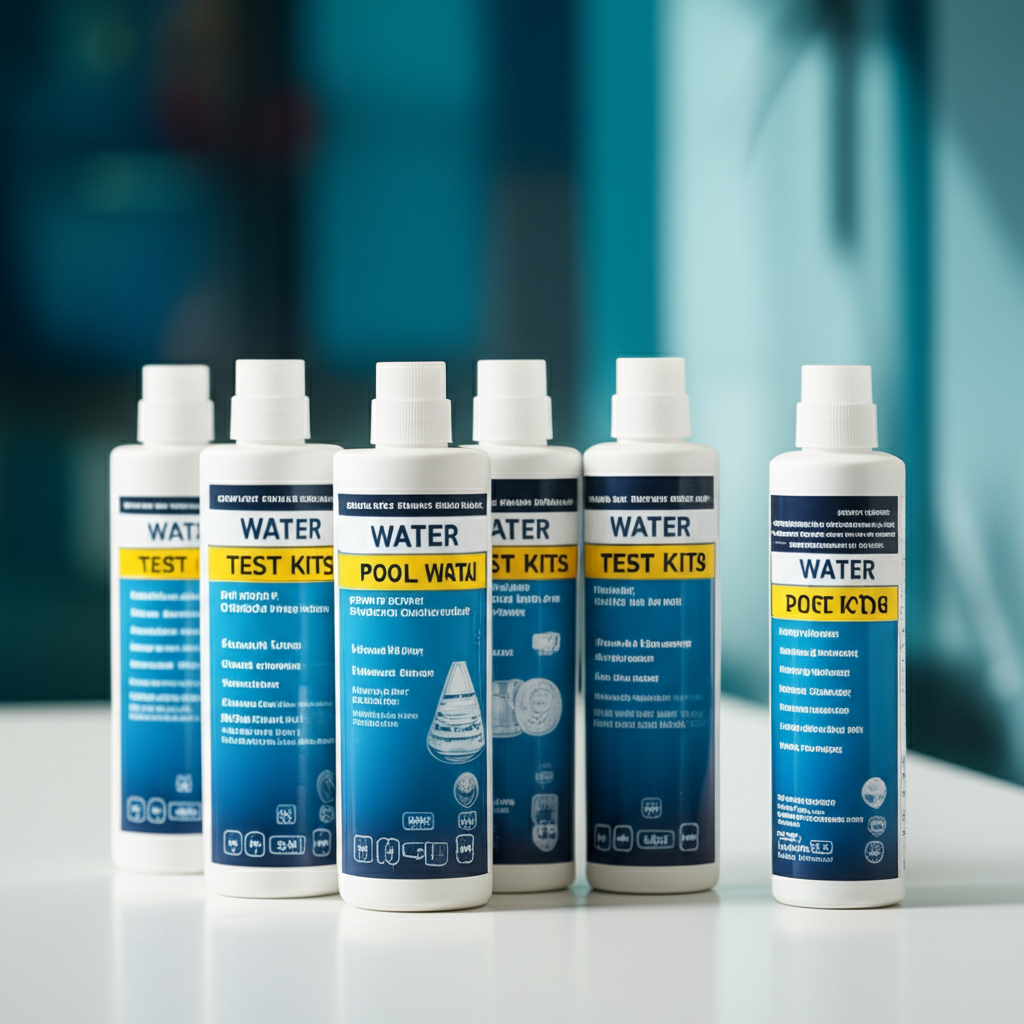
Water Test Kits are the unsung heroes of pool ownership, providing vital insights into the health and safety of your swimming environment. Far more than just a convenience, these essential tools empower pool owners to maintain optimal water chemistry, ensuring sparkling clarity, swimmer comfort, and the longevity of costly pool equipment. Without precise and regular testing, managing pool water becomes a guessing game, opening the door to a host of problems from unsightly algae blooms to corrosive water that damages your pool liner and plumbing.
Maintaining a perfectly balanced pool is crucial for several reasons. Firstly, it safeguards the health of swimmers. Unbalanced water can harbor harmful bacteria, irritate skin and eyes, and even cause respiratory issues. Secondly, it protects your investment. Improper pH levels can lead to scaling or corrosion, while inadequate sanitation allows algae and contaminants to thrive, potentially shortening the lifespan of pumps, filters, and surfaces. Finally, well-maintained water simply offers a more enjoyable swimming experience – clear, pleasant water is inviting and worry-free.
Why Every Pool Needs Regular Water Testing
Think of pool water testing as preventative medicine for your swimming pool. By regularly checking key parameters, you can catch minor imbalances before they escalate into major, expensive problems. This proactive approach saves money on costly chemical corrections, repairs, and even potential re-plastering or liner replacement down the line. Moreover, consistent testing ensures that your sanitizers, like chlorine, are working effectively, providing a safe and hygienic swimming environment for everyone.
Understanding Your Options: Water Test Kits Explained
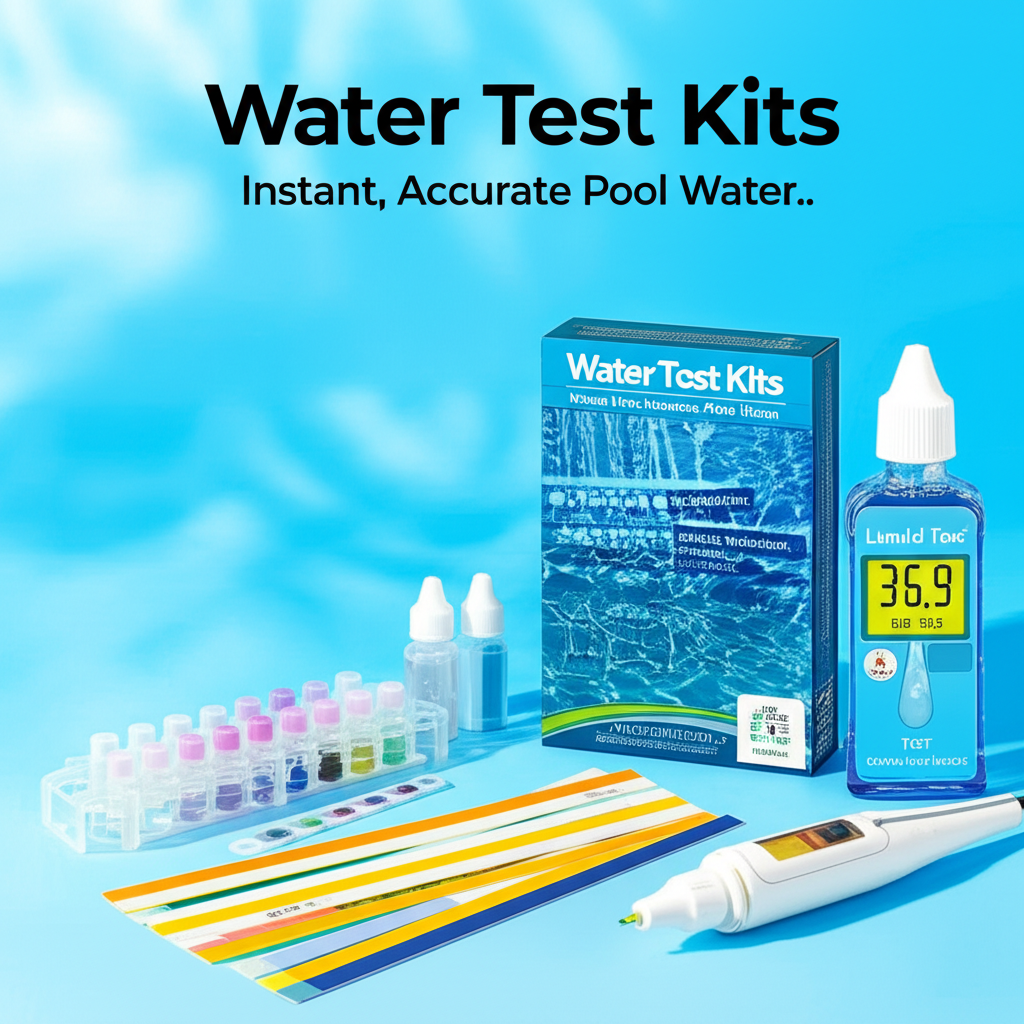
When it comes to assessing your pool’s chemical balance, there are primarily two popular types of Water Test Kits available: Test Strips and Liquid Test kits. Each offers distinct advantages and disadvantages, making them suitable for different types of pool owners and testing requirements.
The Simplicity and Speed of Test Strips
Test strips represent the epitome of convenience in pool water testing. These small, chemically treated strips are designed for quick and easy analysis of several critical parameters simultaneously. To use them, you simply dip a strip into the pool water for a specified amount of time (usually a few seconds), remove it without shaking off excess water, and then compare the color squares on the strip to a color chart provided on the kit bottle.
Pros of Test Strips:
Speed: Results are typically available within 15-30 seconds, making them ideal for daily or frequent spot checks.
Ease of Use: Their straightforward “dip and read” methodology requires minimal instruction, perfect for beginners or those seeking a quick overview.
Cost-Effective: Generally more affordable than liquid kits, especially for basic multi-parameter packs.
Portability: Compact and easy to store, making them convenient for any poolside location.
Cons of Test Strips:
Accuracy: While generally reliable for quick checks, test strips can be less precise than liquid kits. Environmental factors like lighting, the age of the strips, and even color perception can influence readings.
Limited Parameters: Basic strips might only test for pH, chlorine, and alkalinity. More advanced strips exist but will cost more.
Shelf Life: Can be susceptible to moisture and heat, degrading over time and leading to inaccurate results if not stored correctly or used within their expiry.
Test strips are an excellent choice for routine monitoring, allowing pool owners to quickly identify if their water is generally within the acceptable range or if further, more precise testing or adjustments are needed.
The Precision and Reliability of Liquid Test Kits
For those who demand a higher degree of accuracy and a broader spectrum of testing capabilities, a liquid test kit is often the preferred choice. These kits typically involve taking specific water samples from your pool and adding small amounts of liquid reagents. The reagents react with the chemicals in the water, causing it to change color, which you then compare to a supplied color chart or measure against a digital meter.
Pros of Liquid Test Kits:
Superior Accuracy: Liquid reagents are generally more precise and less prone to external interference than test strips, offering more reliable readings. This makes them invaluable for troubleshooting specific issues or for professional use.
Comprehensive Testing: Liquid kits often test for a wider range of parameters, including pH, free chlorine, total chlorine, total alkalinity, calcium hardness, and cyanuric acid (stabilizer), providing a more complete picture of your water chemistry.
Economical in the Long Run: While the initial cost can be higher, reagents are often replaceable, making them cost-effective over an extended period compared to continually buying new batches of strips.
Trusted by Professionals: Many pool technicians rely on liquid kits for their accuracy and detail.
Cons of Liquid Test Kits:
Time-Consuming: The multi-step process for each parameter takes more time and attention than using test strips.
More Complex: Requires careful measurement of water and reagents, increasing the potential for user error if instructions aren’t followed precisely.
Chemical Handling: Involves handling small amounts of liquid chemicals, requiring careful storage and disposal.
Maintenance: Reagents can expire or be contaminated if not stored properly, impacting accuracy.
A liquid test kit is the go-to for weekly comprehensive checks, when opening or closing your pool, or whenever you need to confidently diagnose and correct specific water balance issues.
Key Parameters to Monitor with Water Test Kits
Regardless of whether you choose strips or a liquid kit, there are core parameters you absolutely must monitor:
pH: The measure of acidity or alkalinity. Ideal range: 7.4-7.6.
Free Available Chlorine (FAC): The amount of chlorine actively sanitizing your pool. Ideal range: 1-3 ppm.
Total Alkalinity (TA): Acts as a buffer for pH. Ideal range: 80-120 ppm.
Calcium Hardness (CH): Critical for preventing corrosion or scaling. Ideal range: 200-400 ppm.
Cyanuric Acid (CYA): Stabilizes chlorine against UV degradation. Ideal range: 30-50 ppm.
Choosing the Right Kit for You
The best water test kit for your pool depends on your specific needs. If you’re a casual pool owner looking for quick daily checks and general trends, test strips offer unparalleled convenience. If you’re meticulous, troubleshooting an ongoing issue, or managing a large or commercial pool, the precision of a liquid test kit is invaluable. Many savvy pool owners opt for a hybrid approach, using strips for daily checks and a liquid kit for weekly, more detailed analyses or when issues arise.
Ultimately, investing in quality water test kits is investing in the health, safety, and enjoyment of your swimming pool. Regular and accurate testing is the cornerstone of effective pool maintenance, ensuring your aquatic oasis remains a source of joy, not a headache. Prioritize consistent testing, understand your options, and you’ll be well on your way to perfectly balanced, crystal-clear water all season long.