Return Jets: Essential for Flawless Circulation
February 4, 2026
Pool Service Cost: Uncover Affordable Care
February 7, 2026
- What is a Pressure-Side Cleaner and How Does It Work?
- The Unbeatable Benefits of Investing in a Pressure-Side Cleaner
- Key Features to Look for in Your Next Pressure-Side Cleaner
- Why a Polaris Cleaner Stands Out
- Installation and Operation: Getting Started with Your Pressure-Side Pool Cleaner
- Is a Pressure-Side Cleaner Right for Your Pool?
Maintaining a pristine swimming pool can often feel like a never-ending task, a battle against leaves, pollen, sand, and other unwelcome invaders. While the joy of a sparkling clear pool is undeniable, the effort required to achieve it can sometimes dampen the appeal. This is where innovation steps in to lighten the load, and few pool cleaning solutions offer the blend of efficiency and independence quite like a Pressure-Side Cleaner.
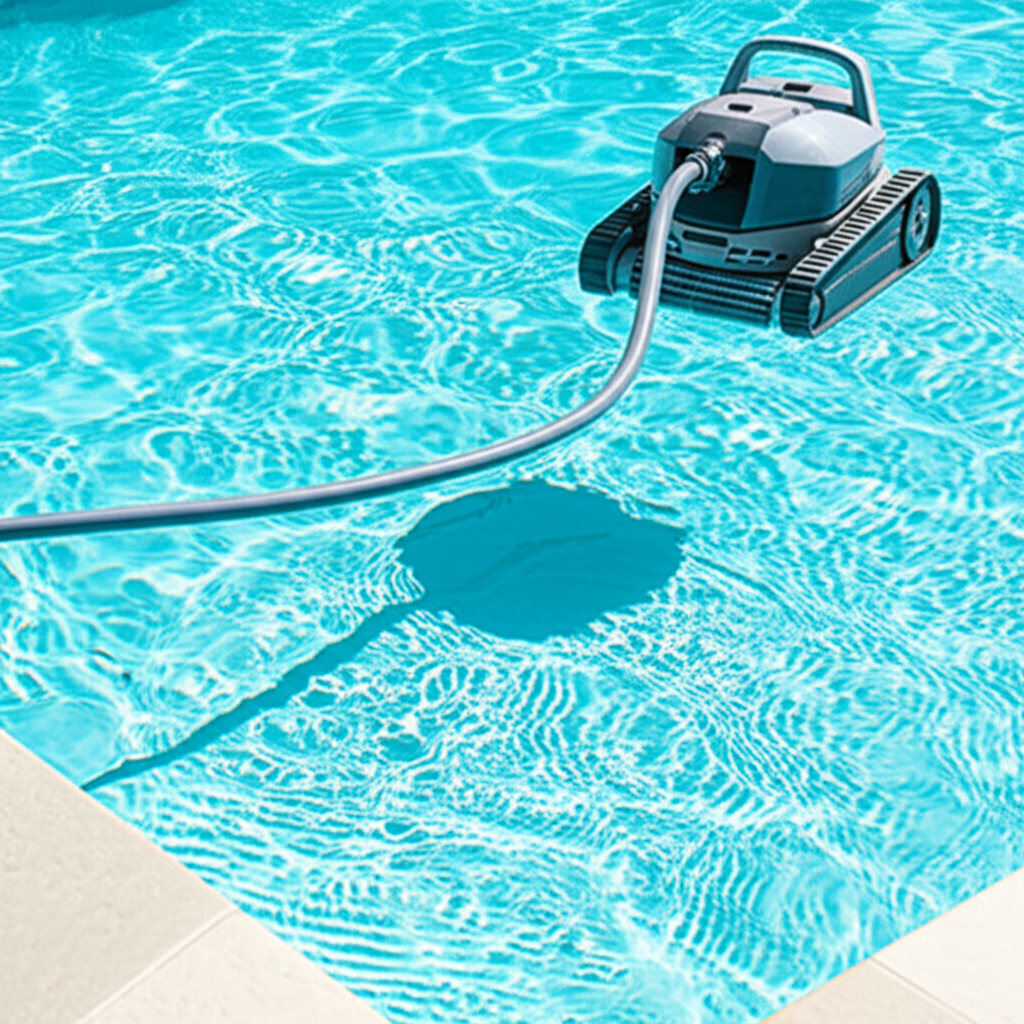
These robust devices are a game-changer for pool owners seeking an effective, largely hands-off approach to keeping their water immaculate. By harnessing the power of your pool’s existing filtration system, or often a dedicated booster pump, pressure-side cleaners diligently patrol your pool floor and walls, scooping up debris into their own collection bags. The result? Less manual effort for you, and more time enjoying your aquatic oasis.
What is a Pressure-Side Cleaner and How Does It Work?
At its core, a pressure-side cleaner operates by utilizing the pressurized water output from your pool’s return line. Unlike suction-side cleaners, which connect to your skimmer or main drain and draw debris into your pool’s main filter, pressure-side cleaners work independently, propelled by the water pressure.
Here’s a breakdown of its mechanics:
1. Connection: The cleaner connects to a dedicated pressure-side port in your pool wall, which receives filtered water from your pool pump.
2. Propulsion: The pressurized water is directed through jets, often located on the cleaner’s base or body, creating thrust that powers the wheels or tracks. This propels the cleaner across the pool floor and, in many cases, up the walls.
3. Debris Collection: As the cleaner moves, the pressurized water also creates a powerful venturi effect that sucks debris from the pool surface directly into an onboard filter bag. This bag is a crucial component, as it collects all the foreign matter before it reaches your pool’s main filtration system.
4. Booster Pump: Many high-performance pressure-side cleaners require a separate auxiliary booster pump. This pump is installed in your plumbing system and specifically dedicated to providing the necessary high pressure for the cleaner’s optimum operation. However, some newer models are designed to run efficiently off the existing pressure from your main pool pump, eliminating the need for an additional component.
The Unbeatable Benefits of Investing in a Pressure-Side Cleaner
Choosing a pressure-side cleaner for your pool comes with a host of advantages that directly translate into less work and a cleaner swimming environment.
Superior Debris Collection: Pressure-side cleaners excel at picking up a wide variety of debris, from fine silt and sand to large leaves, acorns, and even small pebbles. Their dedicated filter bags are often larger and more efficient than those found on other cleaner types, holding a significant amount of debris before needing to be emptied.
No Strain on Your Pool’s Filter System: This is perhaps one of the most significant benefits. Since debris is captured in the cleaner’s onboard bag, it bypasses your pool’s skimmer baskets and main filter. This means less frequent backwashing for sand or DE filters, and extended life for cartridge filters, ultimately leading to less wear and tear on your main filtration equipment.
Efficient and Thorough Coverage: Designed with intelligent navigation patterns, backup valves, and ample hose length, these cleaners are built to cover the entire pool surface, including the floor, walls, and sometimes even the water line. The backup valve, common in many models, periodically reverses the cleaner’s direction, preventing it from getting stuck in corners or tangled in hoses.
Ease of Maintenance: Maintaining a pressure-side cleaner is straightforward. Periodically, you simply remove the debris bag, empty its contents, rinse it clean, and reattach it. This process is far simpler and quicker than backwashing a filter or scrubbing cartridge elements.
Durability and Reliability: Built to withstand the rigors of pool environments, these cleaners are generally robust and durable, offering years of reliable service with proper care.
Key Features to Look for in Your Next Pressure-Side Cleaner
When selecting the perfect pressure-side cleaner for your pool, considering specific features will ensure optimal performance and satisfaction.
Booster Pump Requirement: Determine if the model you’re considering requires a dedicated booster pump or if it can run off your existing main pump. Models requiring a booster pump generally offer more power and faster cleaning but come with the added cost and installation of the extra pump. Booster pump-free models are easier to install and more energy-efficient but may be less powerful.
Debris Bag Capacity and Filtration Level: Look for a cleaner with a large debris bag that can hold the typical volume of debris your pool collects. Also, consider the bag’s mesh size – finer mesh bags are better for silt and sand, while coarser bags are ideal for large leaves and twigs. Some cleaners even offer different bag options for specific debris types.
Hose Design and Swivels: A quality hose that resists tangling and includes effective swivels is crucial for uninterrupted cleaning. Adequate hose length to reach all corners of your pool is also essential.
Wheel or Track Design: Different wheel or track configurations are optimized for various pool surfaces. For instance, cleaners with soft, wide wheels or tracks are excellent for vinyl liners, while rugged tires might be better suited for concrete or pebble-tec pools.
Automatic Backup Valve: This feature helps prevent the cleaner from getting stuck by periodically reversing its direction, ensuring comprehensive coverage and preventing hose tangles.
Why a Polaris Cleaner Stands Out
When discussing pressure-side pool cleaners, it’s impossible not to highlight Polaris Cleaner models. Polaris has long been a leading innovator in pool cleaning technology, and their pressure-side cleaners are renowned for their robust design, exceptional performance, and advanced features.
Models like the Polaris 280, 360, and the powerful 3900 Sport have set benchmarks in the industry. Polaris cleaners are often characterized by their:
Powerful Suction: Many popular Polaris models require a booster pump, which grants them incredible suction power to tackle even the heaviest debris loads.
Dependable Propulsion: Their iconic three-wheel design (or four for some models) allows for superior maneuverability and consistent coverage across all pool surfaces.
Innovative Backup Valve: Polaris was a pioneer in incorporating effective backup valves that ensure thorough cleaning without constant intervention.
Durability: Built with high-quality components, Polaris cleaners are known to be workhorses, providing reliable service for many seasons.
Choosing a Polaris often means investing in a cleaner that consistently performs, requiring minimal fuss and delivering a visibly cleaner pool.
Installation and Operation: Getting Started with Your Pressure-Side Pool Cleaner
Installation for a pressure-side cleaner is generally straightforward. If your pool already has a dedicated pressure-side port, it’s often a simple matter of attaching the hose to the port and the cleaner. If a booster pump is required and not yet installed, professional plumbing work may be needed. Once connected, balancing the hose length and ensuring proper water flow are key to optimal performance.
Operation involves simply turning on your pool pump and, if applicable, your booster pump. Most owners run their cleaners for several hours a day, often coinciding with their main filter pump cycles, to keep up with debris accumulation. Regular emptying of the debris bag is the primary maintenance task.
Is a Pressure-Side Cleaner Right for Your Pool?
For pool owners who regularly contend with moderate to heavy debris, especially leaves, twigs, and sand, a pressure-side cleaner offers an unparalleled level of convenience and cleaning power. If you prioritize a sparkling clean pool with minimal manual effort and appreciate a system that minimizes strain on your main filtration, then this type of cleaner is an excellent investment. While initial costs might be slightly higher than some entry-level suction cleaners, the long-term benefits in terms of time saved, reduced filter maintenance, and consistently cleaner water make a pressure-side cleaner a must-have for effortless pool upkeep.