Pool Drain: Ultimate Safety, Affordable Upgrade
June 6, 2026
Best Robotic Cleaner: Ultimate Dolphin & Polaris Pick
June 10, 2026
- What Exactly Are Pool Timers?
- Why Pool Timers Are Indispensable for Modern Pool Owners
- Energy Efficiency & Cost Savings
- Unmatched Convenience & Time Savings
- Improved Water Quality & Equipment Longevity
- Types of Pool Timers: Finding Your Perfect Match
- Setting Up Your Pool Timers: Best Practices
- Beyond the Pump: Expanding Your Pool Automation
- Conclusion
Pool Timers are no longer a luxury for modern pool owners; they are a fundamental component for achieving effortless and efficient pool management. In an era where convenience and energy conservation are paramount, integrating a reliable automation system for your pool equipment offers an unparalleled blend of both. Gone are the days of manually switching on and off pumps, lights, and heaters. With the right timing device, you can transform your pool maintenance routine from a chore into a seamless, “set it and forget it” experience, ensuring your oasis remains sparkling clean and inviting with minimal personal intervention.
What Exactly Are Pool Timers?
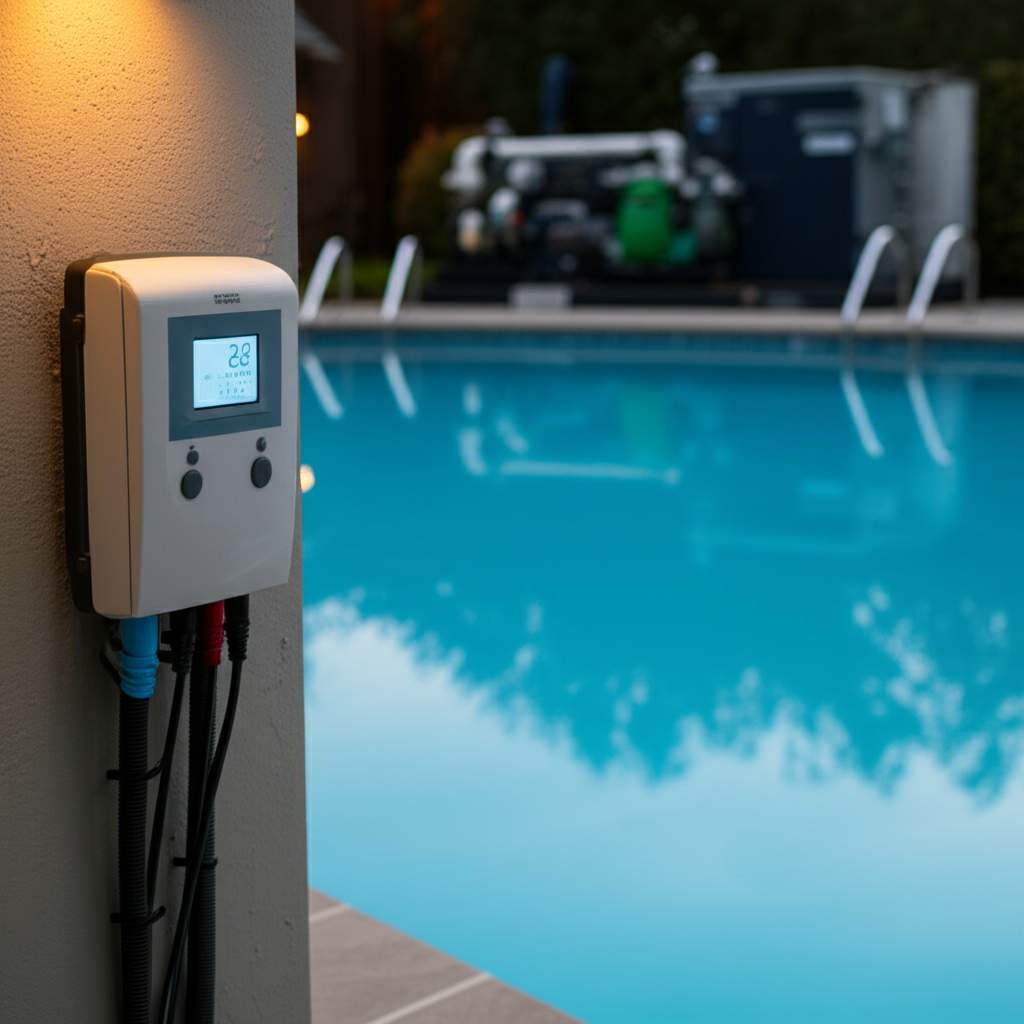
At its core, a pool timer is a device designed to schedule the operational cycles of your pool equipment. Think of it as the brain behind your pool’s daily routine, dictating when components like your pump, lights, and sanitation systems should turn on and off. While the concept might sound simple, the impact on your pool’s health, your wallet, and your free time is profound. From basic mechanical dials to sophisticated digital and smart home-integrated systems, these indispensable tools facilitate the automated upkeep necessary for a pristine swimming environment.
Why Pool Timers Are Indispensable for Modern Pool Owners
Investing in quality pool timers brings a multitude of benefits, elevating the entire pool ownership experience. They are not just about convenience; they are about optimizing every aspect of your pool system.
Energy Efficiency & Cost Savings
One of the most compelling reasons to install a pool timer is the significant impact on energy consumption and, consequently, your utility bills. Running your pool pump continuously is often unnecessary and incredibly wasteful. A dedicated pump timer allows you to schedule run times strategically, typically 8-12 hours a day, depending on your pool size, usage, and climate. Furthermore, many energy providers offer lower rates during off-peak hours. By programming your timer to operate during these specific windows, you can drastically reduce the cost of running arguably the most energy-intensive piece of pool equipment. This intelligent scheduling prevents over-filtering and ensures your pump works only when it’s most cost-effective.
Unmatched Convenience & Time Savings
Imagine never having to remember to turn on or off your pool pump, lights, or even your spa jets. This is the promise of automating pool equipment with timers. Once programmed, your pool system operates on its own schedule, day in and day out. This “set it and forget it” approach frees up your precious time and mental energy, allowing you to focus on enjoying your pool rather than managing it. Whether you’re at work, on vacation, or simply relaxing in your backyard, you can rest assured your pool is being properly maintained without lifting a finger.
Improved Water Quality & Equipment Longevity
Consistent circulation and filtration are critical for maintaining clear, healthy pool water and preventing the growth of algae and bacteria. Pool timers ensure that your pump runs for the optimal duration each day, providing the necessary turnover to keep your water clean and properly sanitized. This consistent operation is far more effective than sporadic manual control. Moreover, by preventing your equipment from running excessively, you reduce wear and tear, extending the lifespan of your pump, filter, and other components, ultimately saving you money on repairs and replacements in the long run.
Types of Pool Timers: Finding Your Perfect Match
The evolution of technology has brought various types of pool timers to the market, each offering different levels of sophistication and features:
Mechanical Timers: These are the most basic and robust options, featuring a simple dial with pegs or tabs that you set for turning equipment on and off. They are highly durable, cost-effective, and ideal for straightforward daily schedules.
Digital Timers: Offering greater precision and flexibility, digital timers allow for multiple on/off cycles per day, often with battery backup to retain settings during power outages. They typically feature a liquid crystal display (LCD) and push-button controls for programming.
* Smart Pool Timers (Wi-Fi/App-Controlled): Representing the pinnacle of automation, these advanced timers connect to your home Wi-Fi network, allowing you to control your pool equipment remotely via a smartphone app. They often integrate with smart home systems, offer detailed scheduling, energy monitoring, and push notifications, truly automating pool equipment to its fullest potential.
Setting Up Your Pool Timers: Best Practices
Proper setup is key to maximizing the benefits of your pool timers.
1. Determine Optimal Run Times: The ideal duration for your pump to run depends on several factors: pool size (gallons), pump horsepower, filter type, bather load, and local climate. A general rule of thumb is to circulate all your pool water once every 24 hours – this is known as turnover. Consult your pool professional or calculate your turnover rate to determine the most efficient run time.
2. Consider Off-Peak Hours: If your utility company offers variable electricity rates, program your timer to operate during these cheaper off-peak windows. This simple adjustment can lead to significant savings.
3. Integrate Effectively: While primarily for your pump, consider adding timers for other equipment like your pool lights, a dedicated cleaner pump, or even a pool heater (though heater use is usually more sporadic).
4. Safety First: Electrical work should always be handled with caution. If you’re not comfortable with electrical installations, it’s highly recommended to hire a certified electrician to install your pool timer for safety and compliance.
Beyond the Pump: Expanding Your Pool Automation
While the pump timer is foundational, pool timers are a gateway to a broader world of swimming pool automation. Modern systems can integrate control over everything from automated chemical feeders and robotic cleaners to elaborate lighting systems and water features. The goal is to create a fully integrated, hands-free pool experience where all aspects of maintenance and ambiance are effortlessly managed by smart technology. This comprehensive approach to automating pool equipment allows you to spend less time on upkeep and more time enjoying the serene beauty and recreational fun of your backyard haven.
Conclusion
For any pool owner seeking to optimize efficiency, reclaim valuable time, and ensure consistent water quality, pool timers are an absolute must-have. They are the silent workhorses that guarantee your pool operates at its best, effortlessly maintaining clarity and hygiene while simultaneously reducing energy costs. By embracing this fundamental automation technology, you invest not just in your pool, but in a smarter, more convenient, and ultimately more enjoyable lifestyle centered around your personal aquatic retreat.