Total Alkalinity: Master Pool Balance Effortlessly
February 24, 2026
Calcium Hardness: Achieve Crystal Clear Water
February 27, 2026
- What is Pool Shock and Why is it Necessary?
- Understanding the Science: Superchlorination Explained
- Types of Pool Shock Products
- When and How to Administer Pool Shock
- When to Administer Pool Shock:
- The Pool Shock Process: A Step-by-Step Guide:
- Important Safety Precautions and Best Practices
- Conclusion
Pool Shock is an indispensable tool in every pool owner’s arsenal, ensuring the water remains crystal clear, sanitary, and inviting. Far from being a luxury, regular shocking is a fundamental maintenance practice that tackles unseen contaminants and restores your pool’s chemical balance, making it a critical component for a perfect swimming experience. This ultimate guide will demystify the process, explain its vital role, and equip you with the knowledge to maintain a pristine aquatic oasis.
What is Pool Shock and Why is it Necessary?
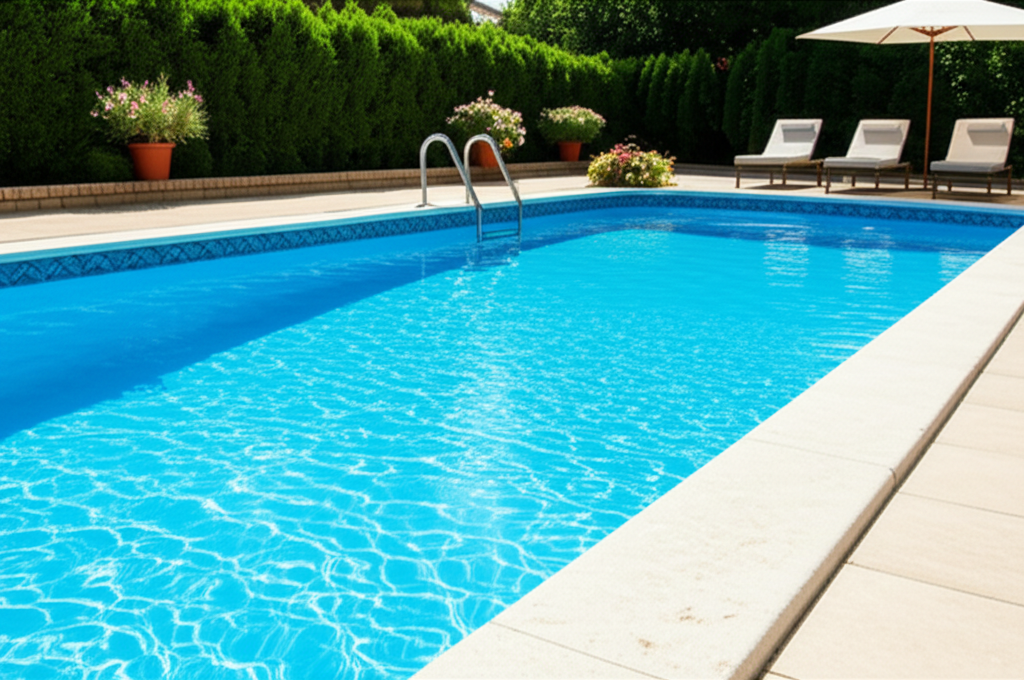
At its core, pool shock refers to the process of adding a large, concentrated dose of chlorine or a non-chlorine oxidizer to your pool water. This rapid increase in sanitizer levels serves several crucial purposes:
Killing Bacteria and Algae: Despite daily chlorination, bacteria and algae spores can still proliferate, especially after heavy use, rain, or if chlorine levels dip. Shocking delivers a powerful blow, eradicating these unwelcome guests.
Breaking Down Chloramines (Combined Chlorine): The unpleasant “chlorine smell” and eye irritation often associated with swimming pools aren’t typically from free chlorine (the good kind) but from chloramines. Chloramines form when free chlorine reacts with contaminants like sweat, urine, and lotions. Shocking breaks these bonds, releasing the captive chlorine and eliminating the odor and irritation. This process is commonly known as superchlorination.
Oxidizing Organic Contaminants: Beyond bacteria, pools accumulate a host of organic matter – leaves, dust, sunscreen, body oils, and more. Shock products are strong oxidizers that break down these contaminants, preventing them from clouding your water or consuming your regular chlorine supply.
Restoring Water Clarity: If your pool water looks cloudy, dull, or hazy, it’s often a sign that your filtration system isn’t keeping up, or there are too many microscopic particles and contaminants. A good shock treatment can quickly clear things up, returning your pool to sparkling brilliance.
Understanding the Science: Superchlorination Explained
When we talk about using pool shock, we’re largely referring to the concept of superchlorination. To fully grasp its importance, it’s helpful to understand the different forms of chlorine in your water:
Free Chlorine (FC): This is the active, sanitizing chlorine doing the work of killing pathogens and oxidizing contaminants. It’s what you want in your pool.
Combined Chlorine (CC) or Chloramines: As mentioned, these are formed when free chlorine combines with nitrogen and ammonia compounds from swimmer waste and other organic matter. Chloramines are poor sanitizers, create that strong smell, and cause irritation.
Superchlorination involves raising the free chlorine level to a point – typically 10 times the combined chlorine level, or often to a specific target like 10-20 ppm (parts per million) – where it’s high enough to effectively destroy chloramines and other resistant contaminants. This point is critical for what’s known as “breakpoint chlorination,” where virtually all chloramines are eliminated, leaving behind only free chlorine that can get back to sanitizing.
Types of Pool Shock Products
Choosing the right type of pool shock depends on your pool’s needs, your budget, and environmental factors.
Calcium Hypochlorite (Cal-Hypo): This is the most common and generally most affordable type of pool shock. It’s a powerful oxidizer, but it also contains calcium, which can increase your pool’s calcium hardness over time. It’s typically sold in granular form and should be pre-dissolved in a bucket of water before adding to the pool to prevent bleaching liners or plaster finish.
Dichlor (Sodium Dichloro-s-triazinetrione): Dichlor is stabilized chlorine, meaning it contains cyanuric acid (CYA), which protects chlorine from degradation by UV rays. It’s gentler on liners and plaster as it doesn’t add calcium. However, excessive use can lead to high CYA levels, which can reduce chlorine’s effectiveness. It’s also usually granular and best pre-dissolved.
Lithium Hypochlorite: A fast-dissolving, non-calcium, unstabilized chlorine shock. It’s more expensive than Cal-Hypo or Dichlor but dissolves quickly and leaves no residue, making it ideal for vinyl-lined pools. It doesn’t need pre-dissolving.
Non-Chlorine Shock (Potassium Monopersulfate – MPS): This product oxidizes contaminants without adding chlorine to your pool. It’s excellent for routine oxidation between chlorine shocks, allowing swimmers to re-enter the pool sooner. However, it doesn’t kill algae or bacteria as effectively as chlorine shock and won’t eliminate chloramines or contribute to breakpoint chlorination in the same way. It’s best used as a supplement, not a replacement, for chlorine shock unless you have an alternative sanitizer system.
When and How to Administer Pool Shock
Knowing when to shock your pool is as important as knowing how.
When to Administer Pool Shock:
Weekly Routine: Many experts recommend shocking your pool every 1-2 weeks, especially during peak swimming season, to maintain optimal water quality.
After Heavy Use: Large pool parties, extensive swimming, or a hot day with many swimmers mean more contaminants.
After Storms or Rain: Rain washes pollen, dirt, and debris into your pool, consuming chlorine.
When Algae Appears: Green or black spots are a clear indicator that your chlorine levels have been overwhelmed.
Cloudy Water: Murky or hazy water usually means a build-up of organic matter or poor sanitation.
Strong Chlorine Smell or Eye Irritation: As discussed, these are signs of high chloramine levels, not too much chlorine.
Opening and Closing Your Pool: Season start-up and end often require a significant shock treatment to prepare or winterize the water.
The Pool Shock Process: A Step-by-Step Guide:
1. Test Your Water: Always start by testing your pool water’s pH, alkalinity, and free and combined chlorine levels. The pH should be between 7.2 and 7.8 (ideally 7.4-7.6) for shock to be most effective. Adjust if necessary.
2. Read Product Instructions: Each shock product has specific dosing instructions based on your pool’s volume and current conditions.
3. Prepare the Shock (if granular): For Cal-Hypo and Dichlor, dissolve the recommended amount in a 5-gallon bucket of pool water. Never add water to shock; always add shock to water.
4. Add Shock at Dusk: Sunlight rapidly degrades chlorine, especially unstabilized chlorine shock. Adding shock in the evening allows it to work effectively overnight.
5. Distribute Evenly: Slowly pour the dissolved shock mixture (or broadcast granular non-dissolving shock) around the perimeter of the pool.
6. Run Your Filter: Keep your pump and filter running for at least 8-12 hours after shocking to help circulate the treated water and ensure thorough distribution.
7. Wait and Retest: Do not swim until the free chlorine level has returned to safe levels (generally 1-4 ppm, or as per manufacturer guidelines) and the pH is balanced. This can take anywhere from a few hours to a few days. Always retest before allowing swimmers.
Important Safety Precautions and Best Practices
When handling pool shock, safety is paramount:
Protective Gear: Always wear gloves and eye protection.
Never Mix Chemicals: Mixing different types of shock or other pool chemicals can cause dangerous reactions, fires, or explosions.
Add Shock to Water: When dissolving granular shock, always add the chemical to the water, not the other way around.
Proper Storage: Store shock in a cool, dry, well-ventilated area, away from other chemicals, sunlight, and moisture. Keep containers tightly sealed.
Keep Out of Reach: Ensure pool chemicals are stored securely away from children and pets.
Conclusion
Mastering the art of pool shocking is a cornerstone of maintaining a truly perfect pool. By understanding its purpose, the different types available, and how to apply them safely and effectively, you can combat algae, eliminate chloramines, and keep your water sparkling clean and safe for everyone to enjoy. Regular and informed use of pool shock is not just a chore; it’s an investment in the health, clarity, and longevity of your beloved swimming haven. Dive into a perfectly balanced and pristine pool with confidence, knowing you’ve got the shock treatment strategy down pat.