Diving Board: Ultimate Safe Jumps & Pool Fun
June 2, 2026
Automatic Chemical Doser: Precise, Effortless Flow
June 5, 2026
- The Unseen Danger: Why Every Pool Needs an Alarm
- Securing the Perimeter: The Role of a Gate Alarm
- Inside the Water: The Vigilance of a Water Alarm
- Choosing Your Ideal Pool Safety Alarm System
- Beyond Alarms: A Holistic Approach to Pool Safety
- Conclusion
Pool Safety Alarm systems are a non-negotiable component for any residential or commercial pool owner dedicated to safeguarding their loved ones and guests. The allure of a sparkling pool is undeniable, offering endless hours of fun and relaxation, but it also carries inherent risks, particularly the silent danger of drowning. Implementing a reliable safety alarm goes beyond mere compliance; it’s a proactive step towards creating an environment where peace of mind is not just a hope, but a proven reality.
The Unseen Danger: Why Every Pool Needs an Alarm
Drowning is a silent killer, often occurring swiftly and without a splash, making rapid detection absolutely critical. Globally, drowning is a leading cause of accidental death for children aged 1-4. Even a moment of inattention can have devastating consequences. While supervision is paramount, it is not infallible. Distractions happen, doors can be left ajar, and curious children or even pets can gain access to the pool area in seconds. This is where a robust pool safety alarm system acts as your indispensable second line of defense, providing an instant alert the moment unauthorized access or water disturbance occurs. It buys precious time, which can be the difference between a near-miss and a tragedy.
Securing the Perimeter: The Role of a Gate Alarm
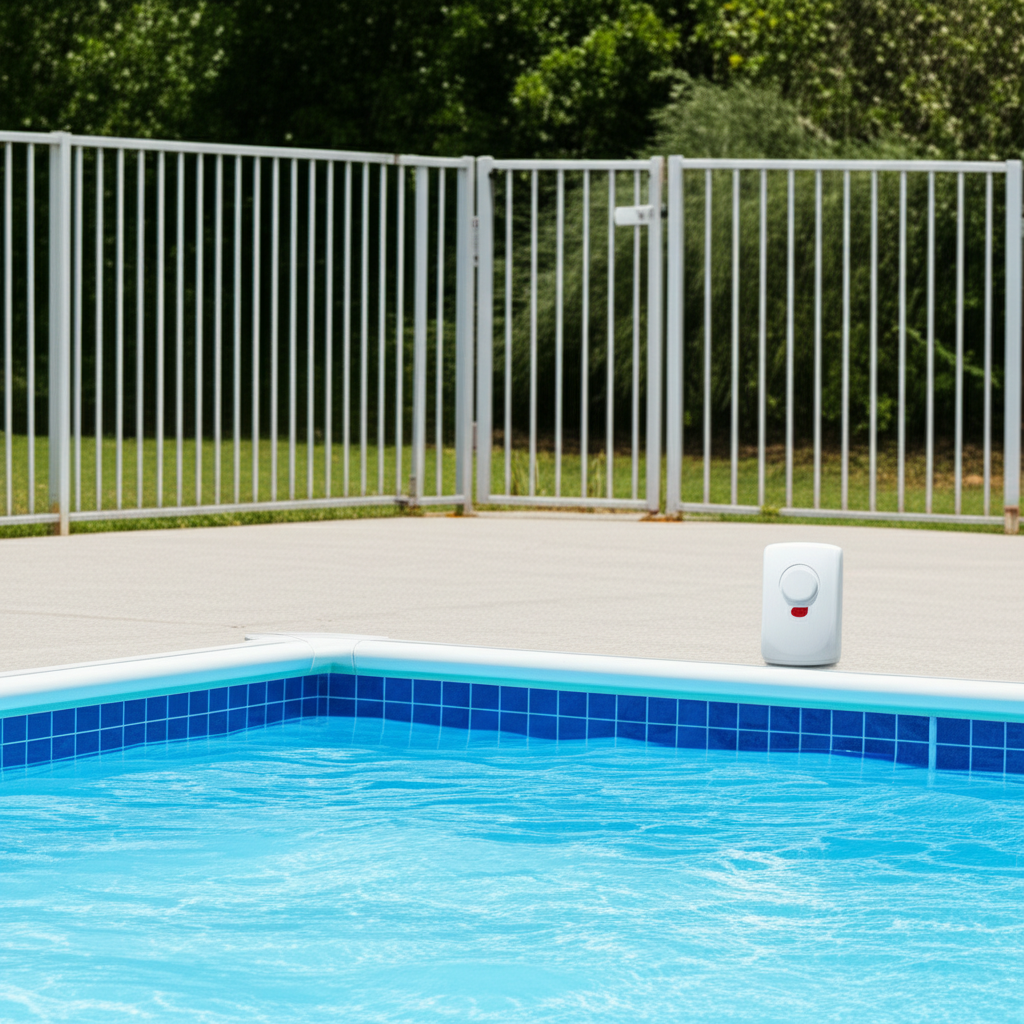
One of the most fundamental layers of pool security comes in the form of a Gate Alarm. These systems are designed to monitor entry points to the pool area, primarily gates and doors that lead directly to the water. A typical gate alarm utilizes magnetic contact sensors installed on the gate and its frame. When the gate is opened, the magnetic signal is broken, instantly triggering a loud alarm.
Modern gate alarms often come with advanced features such as:
Tamper Alerts: Notifying if the alarm itself is being dislodged or disabled.
Child-Resistant Features: Requiring an adult to disarm or bypass the alarm, preventing children from easily turning it off.
Automatic Reset: The alarm reactivates whenever the gate is closed, ensuring continuous protection.
Low Battery Indicators: Providing timely warnings to replace batteries, preventing lapses in security.
The importance of a gate alarm cannot be overstated. It ensures that any breach of the physical barrier around your pool is immediately announced, allowing for swift intervention. Paired with a self-closing, self-latching gate, a gate alarm creates a formidable barrier against accidental pool entry.
Inside the Water: The Vigilance of a Water Alarm
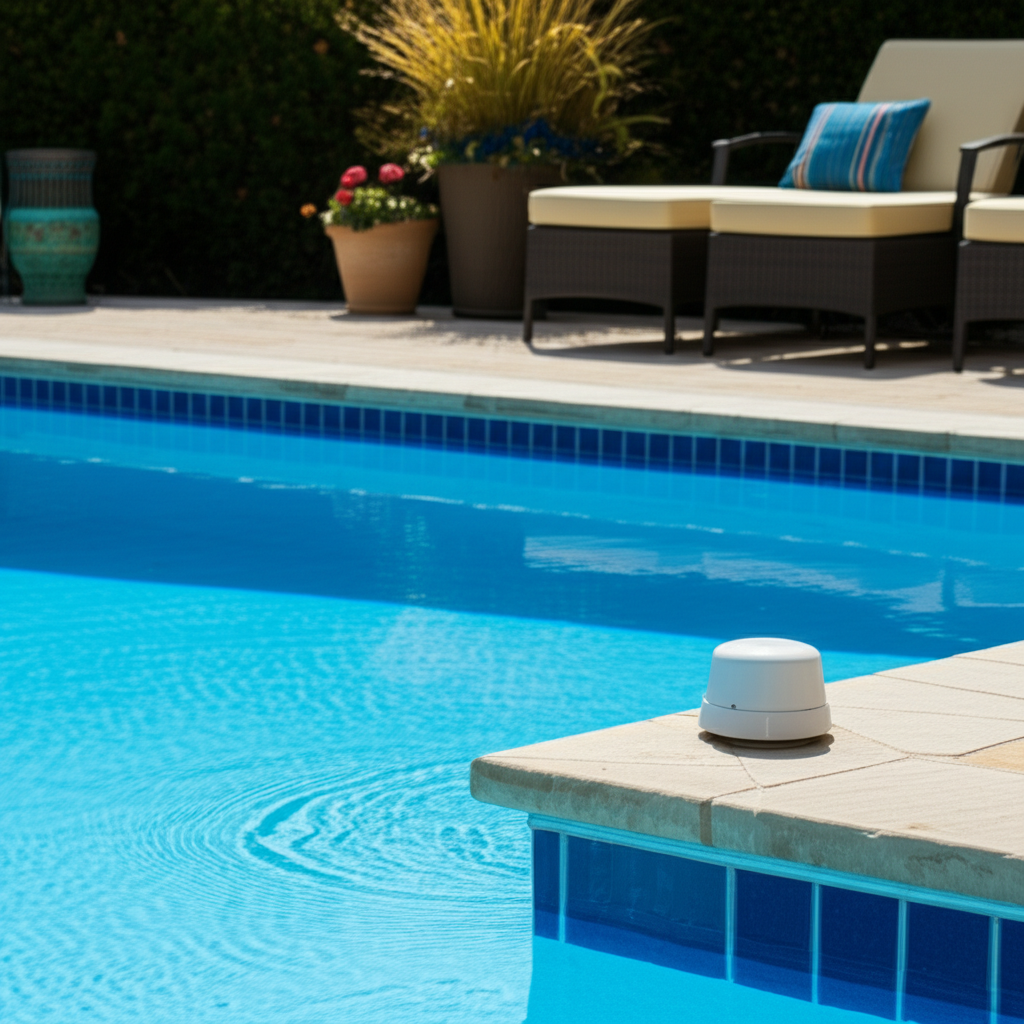
Beyond securing the perimeter, a Water Alarm provides an additional, critical layer of protection by monitoring the pool itself. These alarms are designed to detect disturbances on or in the water, signifying that something or someone has entered the pool. There are several effective types of water alarms:
1. Surface-Mounted Alarms: These often float on the water’s surface and are equipped with sensors that detect specific wave frequencies or movements. When a significant disturbance, like a person falling in, creates ripples, the alarm is triggered, emitting a loud siren. They are easy to install and suitable for most pool types.
2. Subsurface Alarms: Installed below the water line, usually on the pool wall or steps, these alarms use sophisticated sonar or pressure sensors to detect changes in water displacement. They are less susceptible to false alarms from wind or small debris compared to surface alarms, making them highly reliable for detecting actual entry into the pool.
3. Wristband/Personal Immersion Alarms: For households with very young children or non-swimmers, these devices take safety a step further. A small, waterproof sensor is worn as a wristband or attached to clothing. If the sensor becomes submerged in water beyond a certain depth for a specified period, a transceiver inside the home and/or the wristband itself will sound an alarm. This offers direct protection for the individual.
No matter the type, a water alarm acts as the ultimate safeguard, alerting you the moment an unauthorized entry into the pool occurs, even if outer barriers have been breached or simply forgotten.
Choosing Your Ideal Pool Safety Alarm System
Selecting the right Pool Safety Alarm involves considering a few key factors:
Pool Type and Size: Different alarms are suited for inground versus above-ground pools, and larger pools might benefit from multiple water alarms or specific placement strategies.
Local Regulations: Many municipalities have specific requirements for pool alarms. Always check your local bylaws to ensure compliance.
Integration: Some systems can integrate with home security systems, offering remote monitoring and alerts via smartphones.
False Alarm Sensitivity: Look for alarms that effectively differentiate between a child falling in and incidental splashes from rain or pool toys to minimize nuisance alerts.
Battery Life and Maintenance: Consider the ease of battery replacement and any routine maintenance required for the system.
Ultimately, the best approach often involves a layered system, combining robust fencing, self-closing gates with gate alarms, and a reliable water alarm to provide comprehensive protection.
Beyond Alarms: A Holistic Approach to Pool Safety
While pool safety alarms are invaluable tools, they are part of a broader safety strategy. No single device can replace vigilant adult supervision. Key components of a complete pool safety plan include:
Physical Barriers: A sturdy, unclimbable fence (at least 4 feet high) with self-closing, self-latching gates that open outwards.
Constant Supervision: Appointing a designated “water watcher” who is solely responsible for monitoring swimmers, especially children, without distraction.
Swimming Lessons: Enrolling children and adults in swimming and water safety lessons.
CPR Certification: Learning CPR and basic first aid, as minutes count in a water emergency.
Safety Equipment: Having rescue equipment (life rings, shepherd’s hooks) readily accessible.
Conclusion
The investment in a reliable pool safety alarm system is an investment in peace of mind. By providing instant, proven alerts at the crucial moment of unauthorized access or water entry, these devices empower pool owners with the ability to act swiftly, dramatically reducing the risk of a tragic outcome. Whether it’s a vigilant gate alarm standing guard at the perimeter or an attentive water alarm monitoring the pool itself, integrating these essential safety measures allows families to enjoy their pools with confidence, knowing they’ve established the strongest possible defense against the unseen dangers beneath the sparkling surface.