Pool Build Time: Stunningly Fast Projects
January 10, 2026
Pool Skimming: Ultimate Guide to Crystal Clear Water
January 14, 2026
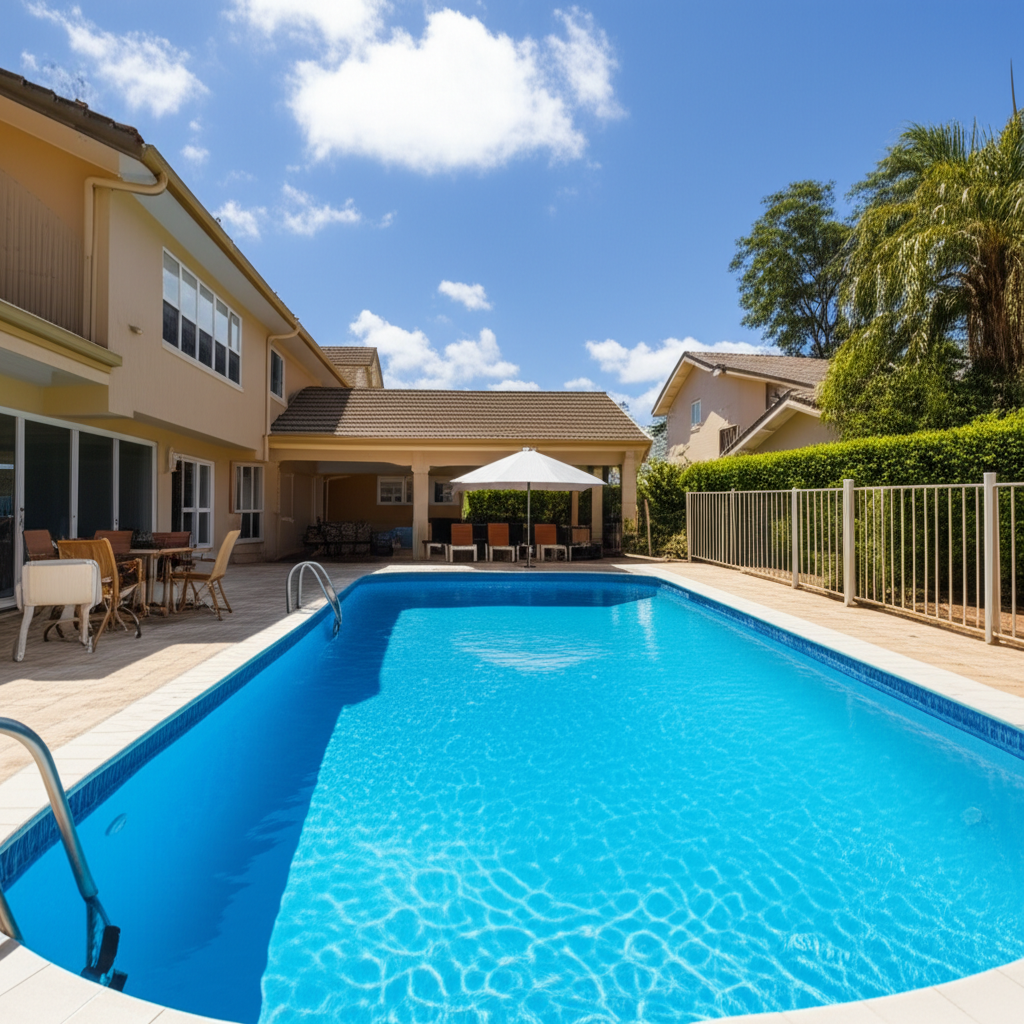
- The Irresistible Allure of a Backyard Oasis
- Decoding the Financial Impact: Does a Pool Always Add Value?
- Maximizing Your Pool Home Value: Key Considerations
- The ROI Equation: Costs vs. Benefits
- Strategic Moves to Enhance Your Pool's Appeal
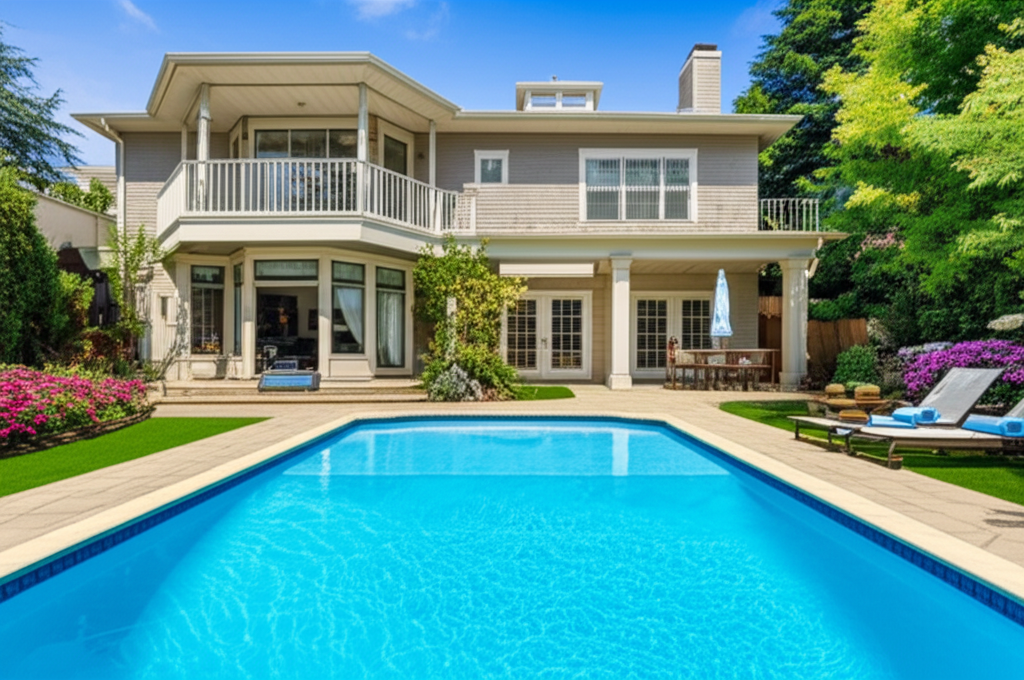
Pool Home Value is a multifaceted concept, influenced by a blend of lifestyle aspirations and hard financial realities. For many a homeowner, the idea of a sparkling backyard oasis embodies luxury, relaxation, and endless entertainment. Yet, the question of whether a swimming pool truly enhances a home’s monetary worth is often met with a nuanced answer. While the allure is undeniable, understanding the factors that genuinely contribute to or detract from a pool’s impact on your property’s market price is crucial for unlocking its best investment potential.
The Irresistible Allure of a Backyard Oasis
Beyond the monetary considerations, the emotional and lifestyle benefits of a private swimming pool are clear. A pool transforms a backyard into a personal resort, offering a serene escape, a vibrant hub for social gatherings, and a built-in fitness center. For families, it’s a source of endless summer fun, creating lasting memories. For individuals, it promises relaxation, stress relief, and a refreshing way to beat the heat.
This intrinsic value, while not directly tied to a price tag, often translates into a home’s desirability. Properties with well-maintained, aesthetically pleasing pools frequently attract a larger pool of potential buyers, particularly in specific markets. Buyers aren’t just purchasing a house; they’re investing in a lifestyle, and a pool can be the ultimate amenity that seals the deal.
Decoding the Financial Impact: Does a Pool Always Add Value?
The notion that a pool automatically adds substantial value to a home is a common misconception. While it certainly can, it’s far from a universal truth. The financial impact of a pool is highly dependent on several variables, and in some situations, it might even limit a property’s appeal to certain buyer segments, or worse, become a depreciating asset if not properly maintained.
The key lies in understanding market demand, regional climate, the quality of the pool itself, and how it integrates with the rest of the property. For a pool to be a genuine asset, it needs to be seen as a desirable feature by the majority of potential buyers in your specific location and price point.
Maximizing Your Pool Home Value: Key Considerations
Successfully leveraging your pool home value requires a strategic understanding of the factors at play. Here’s a breakdown of what truly influences whether your aquatic amenity is an investment or an expense:
Climate and Location: This is arguably the most significant factor. In sun-drenched regions like Florida, Arizona, or Southern California, a pool is often considered an expected amenity, even a necessity, and can significantly boost home value. In colder climates with shorter swimming seasons, the appeal — and thus the added value — diminishes considerably. In such areas, buyers might see a pool as a costly liability rather than a luxury.
Neighborhood Demographics and Market Expectations: Look at homes in your immediate vicinity. Is a pool common among similar properties? If most homes in your upscale neighborhood have pools, yours having one might simply help it keep pace with local market values, preventing it from being undervalued. If you’re the only house on the block with a pool, it might be seen as an expensive rarity rather than a standard feature.
Type and Quality of the Pool: An in-ground, well-maintained pool with attractive landscaping (often referred to as a “resort-style” or “oasis” pool) will almost always add more value than an above-ground unit. Features like integrated hot tubs, waterfalls, custom lighting, or energy-efficient heating can elevate its perceived value further. Outdated, poorly constructed, or visibly damaged pools can be a major detractor.
Overall Condition of the Pool and Home: A sparkling, well-maintained pool reflects positively on the entire property. Conversely, a neglected pool with murky water, cracked decking, or broken equipment can instantly signal high future costs to potential buyers, negatively impacting the home’s value and making it harder to sell. The pool should complement the home’s overall aesthetic and condition.
Lot Size and Layout: Does the pool overwhelm the backyard? If installing a pool leaves little to no usable green space for gardening, play areas, or outdoor living, it can become a negative. Buyers, especially those with young children or pets, often desire a balanced outdoor space. The pool should enhance, not detract from, the functionality of the yard.
Safety Features: Modern buyers are increasingly conscious of safety. Features like secure fencing, pool covers, alarms, and compliant gates are not just legally mandated in many areas but also represent peace of mind, adding to a pool’s desirability and overall value proposition.
The ROI Equation: Costs vs. Benefits
When considering the ultimate pool home value, it’s essential to weigh the initial investment and ongoing costs against potential resale gains.
Initial Investment: Installing an in-ground pool can range from $30,000 to over $100,000, depending on size, materials, and features. This is a significant upfront cost.
Ongoing Costs: Maintenance, chemicals, repairs, increased utility bills (pumps, heating), and higher insurance premiums can amount to several thousands of dollars annually.
* Resale Value: While a pool rarely sees a 100% return on investment, in prime markets and favorable climates, it can add anywhere from 5% to 10% to a home’s value. In less ideal scenarios, the ROI might be negligible, or it could even be a net negative if the pool turns off a significant portion of potential buyers.
Strategic Moves to Enhance Your Pool’s Appeal
If you already own a pool home or are considering adding one, here are strategies to maximize its perceived and actual value:
1. Impeccable Maintenance: This is non-negotiable. A clean, functional, and aesthetically pleasing pool is paramount. Invest in regular professional servicing if you can.
2. Harmonious Landscaping: Surround the pool with tasteful, low-maintenance landscaping that enhances its beauty without creating too much debris. Think about privacy, shade, and integrating the pool visually with the rest of the yard.
3. Create an Outdoor Living Zone: Beyond the pool itself, consider adding features like a patio, outdoor kitchen, comfortable seating areas, or a fire pit. This extends the entertaining space and adds to the overall luxury experience.
4. Modern Upgrades: If your pool is older, consider energy-efficient pumps, LED lighting, or automated cleaning systems. These can be attractive selling points.
5. Ensure Safety and Compliance: Always meet local safety codes for fencing, gates, and alarms. This protects both you and future buyers.
In conclusion, the pool home value equation is more complex than simply “add a pool, add value.” It’s a nuanced blend of location, market demand, quality, and condition. While a beautifully integrated pool can undeniably elevate a property’s appeal and financial worth, especially in warm climates, it requires mindful investment and diligent upkeep. For homeowners, understanding these dynamics allows for strategic decisions that ensure their backyard oasis not only provides endless enjoyment but also serves as a sound investment.