Smart Pool: Effortless Automated Controls
May 18, 2026Avoid Building Errors: Essential for Stress-Free Pools
May 22, 2026
- Understanding Your Monthly Pool Cost Components
- Smart Strategies to Slash Your Electricity Cost
- Saving Money on Chemicals and Water Usage
- Smart Maintenance for Long-Term Monthly Pool Cost Savings
Monthly Pool Cost can often feel like a hidden fee tacked onto the luxury of owning a swimming pool. While the initial investment of installing a pool is significant, the ongoing operational expenses are what truly determine its long-term affordability. Many homeowners dream of the refreshing escape their backyard oasis offers, only to be surprised by the regular outlays required for chemicals, water, and most notably, energy. This guide aims to demystify these costs and empower you with actionable strategies to keep your pool sparkling without draining your bank account.
Understanding Your Monthly Pool Cost Components
Before we can save money, we need to understand where it’s currently going. The monthly pool cost is typically an aggregate of several key financial outlays:
1. Electricity Cost: This is often the largest and most variable expense, primarily driven by your pool pump, heater, and any lighting.
2. Chemicals: Essential for maintaining sanitary and balanced water, including chlorine, pH adjusters, algaecides, and clarifiers.
3. Water: While pools are largely self-contained, evaporation, splash-out, and backwashing all necessitate regular refilling.
4. Maintenance & Repairs: This can range from DIY cleaning supplies to professional weekly service, filter replacements, or unexpected equipment breakdowns.
5. Heating (if applicable): For those extending their swimming season, gas, electric, or solar heaters add another layer to energy consumption.
By understanding each of these components, you can pinpoint areas ripe for optimization.
Smart Strategies to Slash Your Electricity Cost
The electricity cost associated with pool ownership is frequently the biggest culprit for high monthly bills. Fortunately, it’s also where some of the most impactful savings can be found.
Embrace Variable-Speed Pumps (VSPs): If you’re still using a single-speed pump, upgrading to a variable-speed model is arguably the single best investment you can make. VSPs can dramatically reduce energy consumption by running at lower speeds for longer periods, rather than constantly at full power. They consume up to 80% less energy than single-speed pumps and often pay for themselves within 1-2 years through energy savings alone.
Optimize Pump Run Times: The traditional wisdom of running a pump 8-12 hours a day isn’t always necessary. A variable-speed pump might need to run longer at a lower speed, but a single-speed pump might manage with 6-8 hours, especially if your pool isn’t heavily used. Experiment and monitor your water clarity. Running your pump during off-peak electricity hours (if your utility offers time-of-use billing) can also lead to significant savings.
Consider Energy-Efficient Heaters: If you heat your pool, look into heat pumps. While more expensive upfront than gas heaters, they are significantly more energy-efficient, drawing heat from the air to warm your water. Solar pool heaters are another excellent, eco-friendly option, essentially providing free heating once installed.
Utilize a Solar Cover or Liquid Solar Blanket: Covering your pool when not in use drastically reduces heat loss through evaporation (which accounts for 70% of heat loss!). A solar cover can increase your pool’s temperature by 10-15 degrees Fahrenheit and reduce water evaporation by up to 90%. Liquid solar blankets offer a less intrusive, but still effective, alternative.
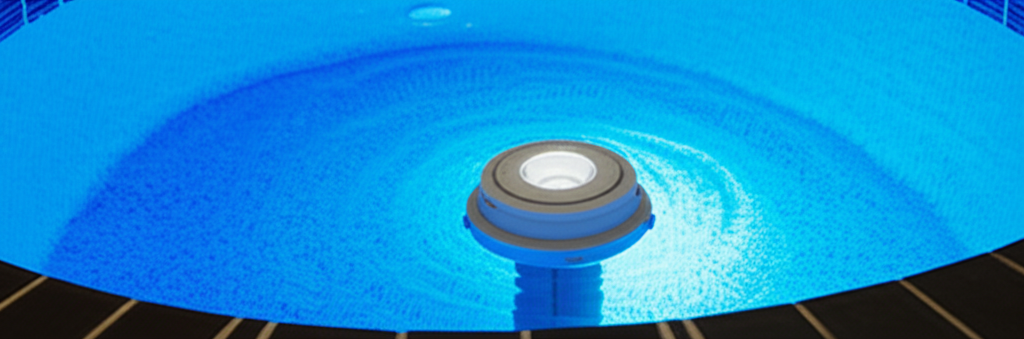
Switch to LED Lighting: If your pool has underwater lighting, replace old incandescent bulbs with energy-efficient LED alternatives. They consume far less electricity, last longer, and offer a brighter, more vibrant light.
Saving Money on Chemicals and Water Usage
Managing your chemical and water consumption efficiently is another key area for reducing your overall monthly pool cost.
Test Water Regularly and Accurately: Over-dosing chemicals is a costly mistake. Invest in a reliable test kit or strips and check your water chemistry 2-3 times a week. Knowing precisely what your pool needs prevents wasteful dumping of chemicals.
Purchase Chemicals in Bulk: If you have storage space, buying larger containers of chlorine, pH decreaser, or shock can offer significant per-unit savings compared to smaller packages.
Prevent Evaporation: Beyond solar covers, maintaining proper water levels and shielding your pool from wind can help. Strong winds accelerate evaporation, so consider landscaping or strategically placed fences.
Address Leaks Promptly: Even a small leak can lead to hundreds of gallons of water loss over a month, not to mention the chemicals that go with it. Regularly check for signs of leakage (a bucket test can confirm this).
Consider a Saltwater System: While the initial cost is higher, a saltwater chlorine generator can reduce your ongoing chemical costs by converting salt into chlorine, eliminating the need to constantly buy and add chlorine tablets or liquid.
Smart Maintenance for Long-Term Monthly Pool Cost Savings
While seemingly minor, consistent and smart maintenance choices can significantly impact your monthly pool cost over time, preventing costly repairs and extending equipment lifespan.
Clean Filters Regularly: A dirty filter makes your pump work harder, consuming more electricity. Backwash sand and DE filters, or clean cartridge filters, according to your manufacturer’s recommendations and based on pool usage.
Perform Preventative Maintenance: Keep an eye on seals, O-rings, and other small components. Replacing these inexpensive parts before they fail can prevent larger, more expensive problems down the line, such as pump motor damage or significant water loss.
DIY Where Possible: While professional service offers convenience, tasks like skimming, vacuuming (with an automatic cleaner), and brushing are easy for most homeowners to do. This can save you hundreds of dollars a month in service fees.
Properly Winterize/Open Your Pool (Seasonally): If you live in an area with cold winters, correctly closing your pool protects equipment from freezing damage. Similarly, a proper spring opening ensures all systems are running efficiently from day one, avoiding issues caused by neglect.
By adopting these smart strategies, you can transform your monthly pool expenses from a burden into a manageable part of enjoying your backyard oasis. It’s about making informed choices, investing wisely in energy-efficient technology, and maintaining consistent, preventative care. With a little effort, your dream pool can remain a source of relaxation, not financial stress.