Air Leak in Suction Line: Stop Costly Pool Pump Damage
July 18, 2026
Pool Stains: Eradicate Ugly Organic & Metal Stains
July 22, 2026
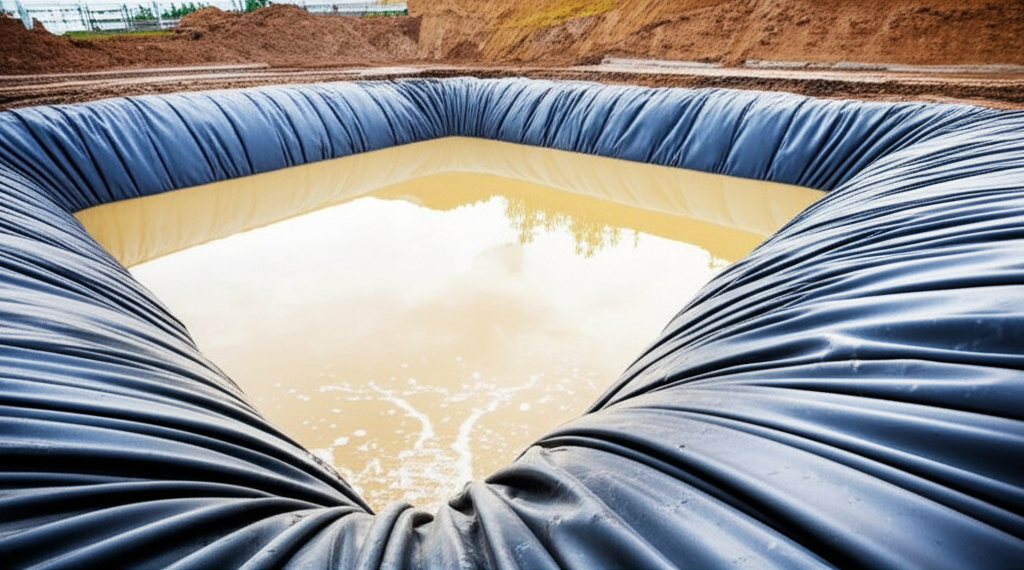
Liner Floating: A Revolutionary Defense Against Ground Water Threats
Liner Floating isn’t just an engineering technique; it’s a paradigm shift in how we confront one of the most persistent and insidious threats to vital infrastructure: groundwater uplift pressure. Across industries ranging from waste management to water conservation, impermeable liners are critical for containing liquids and protecting the environment. However, when these liners are installed in areas with high water tables or fluctuating groundwater levels, the hydrostatic pressure from beneath can cause significant stress, leading to leaks, structural damage, and costly failures. This innovative approach offers a robust and elegant solution, actively mitigating these pressures rather than rigidly resisting them.
The Unseen Adversary: Ground Water Pressure Explained
To appreciate the genius of liner floating, one must first understand the challenge posed by groundwater. Groundwater is water that exists beneath the Earth’s surface in soil pore spaces and in the fractures of rock formations. Its presence is vital for ecosystems and human consumption, but when it interacts with buried or semi-buried structures like reservoirs, landfills, or containment ponds, it can become a powerful and destructive force.
The primary issue is hydrostatic pressure. Just as a boat floats on water, anything submerged or partially submerged in groundwater experiences an upward buoyant force. For conventional liners that are anchored tightly to the ground, this upward push translates into immense stress. If the groundwater table rises above the bottom of the lined structure, the pressure can cause the liner to buckle, wrinkle, and eventually lift, creating preferential pathways for leaks. These leaks not only compromise the integrity of the containment system but can also lead to environmental contamination, loss of valuable resources, and expensive remediation efforts. Traditional solutions often involve extensive, costly under-drainage systems or heavily ballasted designs, which can be complex to install and maintain, and sometimes inadequate against significant hydrostatic forces.
Liner Floating: An Innovative Answer to Ground Water Challenges
At its core, liner floating is a design philosophy that acknowledges and accommodates the presence of groundwater, rather than fighting against it. Instead of rigidly anchoring the entire liner system to prevent uplift, this method allows the liner to “float” or accommodate a controlled amount of water beneath it. This controlled buoyancy relieves the tremendous hydrostatic pressure that would otherwise build up, thereby protecting the liner from stressing and tearing.
The concept hinges on creating a buffer zone beneath the primary liner. This typically involves a combination of a permeable drainage layer, a secondary or under-liner, and well-designed venting or dewatering systems. When groundwater levels rise, water enters this buffer zone, effectively equalizing the pressure on both sides of the primary containment liner. The liner is then free to move slightly or float on this underlying water, much like a raft gently rising and falling with the tide, without experiencing damaging tension or compression. This dynamic interaction significantly enhances the longevity and reliability of the containment system.
How Liner Floating Works: A Deeper Dive into the Mechanics
The implementation of liner floating requires meticulous engineering and a thorough understanding of site-specific hydrogeology. Key components often include:
1. Flexible Geomembrane: At the heart of the system is a highly durable and flexible geomembrane, typically made from materials like HDPE, LLDPE, or PVC, chosen for its chemical resistance and ability to withstand movement without degradation.
2. Drainage Layer: Beneath the primary geomembrane, a permeable drainage layer (e.g., geonet, sand, gravel) is installed. This layer facilitates the controlled flow and accumulation of groundwater.
3. Under-Liner/Geosynthetic Clay Liner (GCL): In many critical applications, a secondary containment layer, such as another geomembrane or a GCL, is placed beneath the drainage layer to provide an additional barrier in case of a primary liner breach and to protect the underlying ground.
4. Perimeter Anchoring: While the central body of the liner may “float,” its perimeter is still anchored securely to the embankments or surrounding structures. This ensures the liner remains in its intended position while allowing the central portion flexibility.
5. Ventilation/Dewatering Systems: Some designs incorporate vent pipes or limited dewatering systems within the drainage layer to manage extreme groundwater levels or to conduct monitoring. However, the primary goal is not to eliminate all groundwater but to equalize pressure.
By creating this “pressure equalization zone,” liner floating prevents differential pressure from acting on the liner. This subtle yet powerful change protects the liner from tensile stress, fatigue, and potential punctures, ensuring its long-term performance.
Advantages of Embracing Liner Floating for Groundwater Management
The benefits of adopting this innovative approach are multifaceted and extend beyond mere structural integrity:
Exceptional Liner Protection: This is the most direct benefit. By relieving hydrostatic uplift pressure, the liner’s lifespan is dramatically increased, reducing the likelihood of leaks and premature failure.
Enhanced Environmental Security: A more robust and reliable containment system means a lower risk of hazardous materials or contaminants escaping into the surrounding environment, protecting ecosystems and communities.
Reduced Maintenance and Repair Costs: Liners that aren’t under constant stress require less frequent inspection and repair. When issues do arise, the controlled environment beneath the liner can sometimes facilitate easier detection and remediation.
Optimized Construction and Design: While initial design may be more involved, liner floating can sometimes lead to simplified construction compared to massive ballast layers or complex active dewatering systems required in traditional high-water table applications.
Adaptability to Challenging Sites: It makes projects feasible in areas historically deemed too difficult for conventional lined structures due to persistently high groundwater tables.
Cost-Effectiveness in the Long Run: Although perhaps a higher upfront engineering investment, the extended lifespan, reduced risk of failure, and lower long-term maintenance costs often make it a highly cost-effective solution over the project’s lifecycle.
Implementing Liner Floating: Considerations for Success
While highly effective, the successful implementation of liner floating demands careful planning and execution. Site-specific hydrogeological studies are paramount to understand groundwater behavior. Material selection, including the type of geomembrane and drainage layer, must be tailored to the specific application and environmental conditions. Furthermore, quality assurance during installation is critical to ensure proper sealing, anchorage, and functionality of the drainage system.
A Future-Forward Solution
Liner floating represents a significant leap forward in geotechnical engineering and environmental protection. It shifts the paradigm from fighting against natural forces to intelligently working with them. By embracing the principles of pressure equalization and controlled movement, this innovative technique offers a stunningly effective and sustainable fix for the persistent threat of groundwater uplift, ensuring the long-term integrity and performance of critical containment infrastructure for generations to come. As we confront increasingly complex environmental challenges, such forward-thinking solutions will be vital in safeguarding our resources and our planet.