Pool Vacuuming: Easy Guide for a Pristine Pool
January 15, 2026
Pool Pump Care: Ultimate, Easy Maintenance
January 19, 2026
- The Unsung Hero: Why Regular Filter Cleaning Matters
- Understanding Your Pool's Filtration System
- The Robust Sand Filter System
- The Efficient Cartridge Filter System
- Easy Filter Cleaning: Your Step-by-Step Guide
- Mastering Sand Filter Backwashing
- Demystifying Cartridge Filter Maintenance
- Frequency, Best Practices, and Longevity Tips
- Conclusion
Filter Cleaning is the single most impactful routine you can adopt for pristine pool water and a truly effortless swimming experience. Often overlooked or deemed a chore, mastering the art of keeping your pool filter spotless is, in fact, the ultimate hack for easy pool maintenance. A clean filter is the cornerstone of crystal-clear water, balanced chemistry, and the long-term health of your entire pool system. Without it, you’re fighting an uphill battle against algae, cloudy water, and overworked equipment.
The Unsung Hero: Why Regular Filter Cleaning Matters
Your pool filter acts as the kidneys of your pool, diligently removing dirt, debris, body oils, and microscopic contaminants that would otherwise turn your water murky and uninviting. When the filter becomes clogged with these particles, its efficiency plummets. This means your pump has to work harder to push water through, leading to increased energy consumption, premature wear and tear on your equipment, and reduced water circulation.
Beyond just clarity, a dirty filter also impacts your water chemistry. With poor filtration, sanitizers like chlorine struggle to do their job effectively, as they’re busy attacking larger contaminants instead of microscopic bacteria and viruses. This can lead to a constant struggle to maintain proper chemical levels, wasting both time and money. Regular filter cleaning ensures your pool operates at peak performance, providing cleaner water with less effort and fewer chemical adjustments. It’s truly the foundation of easy pool maintenance.
Understanding Your Pool’s Filtration System
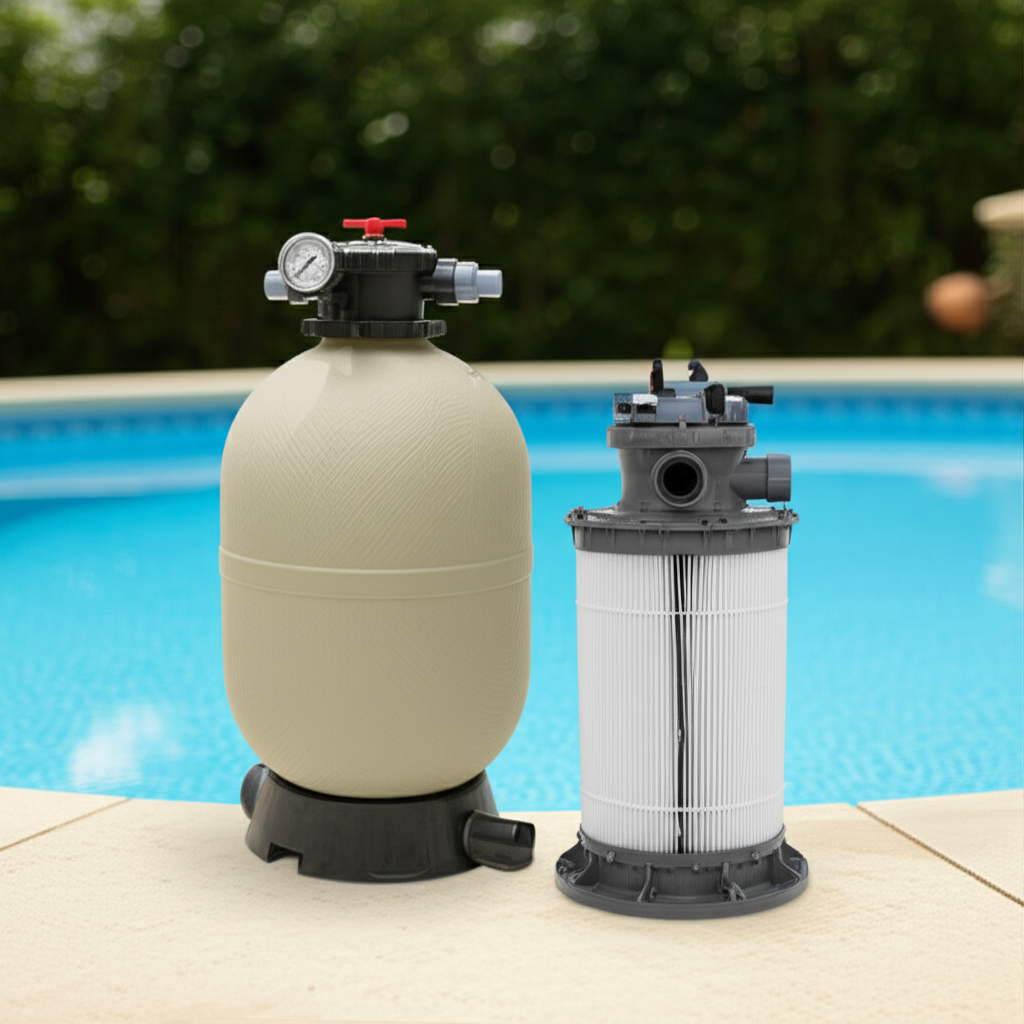
Before you dive into cleaning, it’s essential to understand which type of filter your pool uses. The two most common types, each with its unique cleaning requirements, are the sand filter and the cartridge filter.
The Robust Sand Filter System
Sand filters are renowned for their simplicity and durability. They work by directing pool water through a large tank filled with specialized filter sand. As water passes through the sand bed, tiny particles are trapped between the grains. This method is incredibly effective at removing suspended solids from the water. Over time, these trapped particles accumulate, increasing the pressure inside the filter and reducing its efficiency. This is your cue for cleaning.
The Efficient Cartridge Filter System
Cartridge filters utilize one or more cylindrical filter elements made of pleated fabric. Water enters the tank, flows through the pleated material, and then returns to the pool. The fabric’s large surface area and fine weave effectively trap very small particles, often down to a few microns. Like sand filters, cartridge filters become progressively clogged as they capture debris, leading to a rise in filter pressure and diminished flow.
Easy Filter Cleaning: Your Step-by-Step Guide
Regardless of your filter type, the act of filter cleaning doesn’t have to be daunting. With a bit of practice, it becomes a swift and simple part of your routine.
Mastering Sand Filter Backwashing
Cleaning a sand filter is typically done via a process called backwashing, which reverses the flow of water to flush out trapped debris.
1. Turn Off the Pump: Always shut down your pool pump before making any valve adjustments.
2. Locate the Multiport Valve: This valve, usually on top or side of the filter tank, has several settings (Filter, Backwash, Rinse, Waste, Closed, Recirculate).
3. Set to “Backwash”: Firmly push down the handle and rotate it to the “Backwash” position.
4. Turn On the Pump: Allow the pump to run while observing the “sight glass” (a small, clear window on the valve or waste line). Initially, you’ll see cloudy, dirty water.
5. Watch for Clear Water: Continue backwashing until the water in the sight glass runs clear, usually 2-3 minutes.
6. Turn Off the Pump: Again, crucial before changing valve settings.
7. Set to “Rinse”: Rotate the valve to “Rinse.” This step settles the sand bed and flushes out any remaining dirty water from the backwash line.
8. Turn On the Pump: Run for about 30-60 seconds, observing the sight glass until the water is clear.
9. Turn Off the Pump: One last time.
10. Set to “Filter”: Return the valve to the “Filter” position.
11. Turn On the Pump: Your sand filter is now clean and back to filtering pool water efficiently.
Your sand filter should typically be backwashed every 1-4 weeks, or when your filter pressure gauge reads 8-10 PSI above its normal clean operating pressure.
Demystifying Cartridge Filter Maintenance
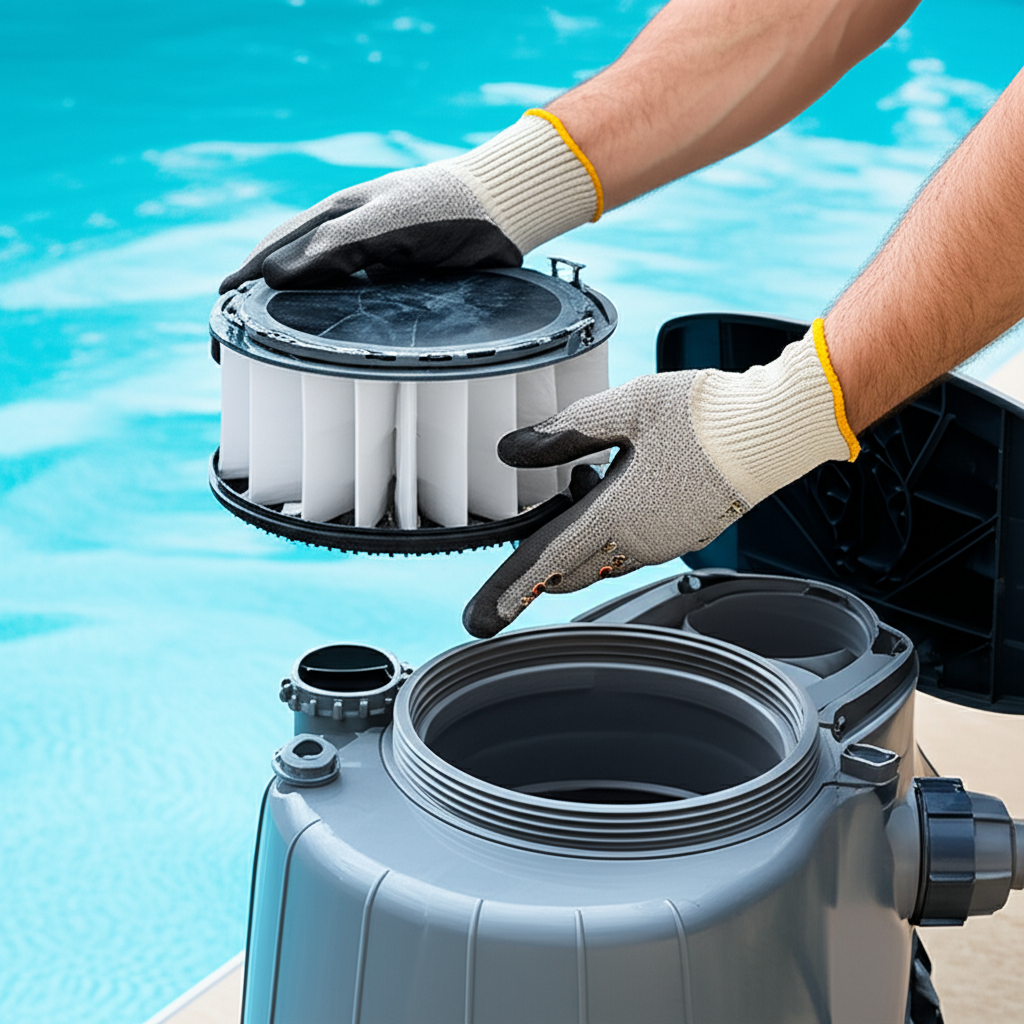
Cleaning a cartridge filter involves physically removing and rinsing the filter elements.
1. Turn Off the Pump and Release Air: Shut down the pump. Open the air relief valve (usually on top of the filter tank) to release any built-up pressure.
2. Remove the Filter Lid: Unclamp or unscrew the filter lid, carefully lifting it off.
3. Extract the Cartridges: Gently pull out the filter cartridges. They might be heavy with trapped debris.
4. Hose Down Thoroughly: Using a strong garden hose nozzle, spray down each cartridge. Work from top to bottom, focusing on getting between the pleats to dislodge all trapped debris. A specialized cartridge cleaning tool can make this easier.
5. Consider a Chemical Soak (Periodically): Every few months, or if the cartridges are particularly greasy or stained, soak them overnight in a dedicated filter cleaner solution. This dissolves oils, sunscreens, and mineral deposits that plain hosing can’t remove. Rinse thoroughly after soaking.
6. Inspect and Replace: While cleaning, inspect the cartridges for tears, rips, or damaged pleats. If damaged, they need to be replaced.
7. Reinstall Cartridges: Carefully place the clean cartridges back into the filter tank, ensuring they are seated correctly.
8. Secure the Lid and Turn On Pump: Replace the filter lid, ensuring it’s properly sealed. Close the air relief valve once a steady stream of water emerges (indicating the filter is full).
Cartridge filters generally require cleaning every 4-6 weeks, or when the pressure gauge rises 8-10 PSI above its clean operating pressure. Cartridges typically last 1-3 years before needing full replacement.
Frequency, Best Practices, and Longevity Tips
The frequency of filter cleaning largely depends on factors like pool usage, local environment (wind, trees), and water chemistry. When in doubt, always refer to your pressure gauge. A consistent rise in pressure indicates your filter is doing its job and needs attention.
Log Your Pressure: Note down your clean filter’s starting pressure. This baseline helps you know when it’s time to clean.
Don’t Over-Clean: While cleaning is good, excessive backwashing of a sand filter can lead to a less effective sand bed. For cartridge filters, over-cleaning with harsh pressure can damage the pleats.
Maintain Water Chemistry: Properly balanced water reduces the strain on your filter by preventing issues like algae blooms or calcium scale buildup.
Inspect and Replace Components: Regularly check O-rings for cracks (lubricate them with silicone grease), and replace filter sand every 5-7 years or cartridges every 1-3 years, as their filtering capability degrades over time.
Conclusion
Embracing regular filter cleaning is more than just a maintenance task; it’s an investment in your pool’s longevity, your water’s clarity, and your peace of mind. By dedicating a small amount of time to these easy, systematic processes for your sand or cartridge filter, you ensure your pool remains a sparkling haven rather than a burdensome chore. Prioritize this simple step, and enjoy the ultimate easy pool maintenance and the reward of consistently pristine swimming waters.