Chlorine: Ultimate Organic vs. Inorganic Pool Choice
March 31, 2026
Building a Pool: Ultimate Guide to Effortless Setup
April 3, 2026
- The Indispensable Role of Proper Chemical Storage in Pool Safety
- Understanding Your Pool Chemicals
- Key Principles for Safe Chemical Storage
- Essential Safety Equipment for Handling Pool Chemicals
- Emergency Preparedness and Spill Management for Chemical Storage
- Regular Maintenance and Best Practices
Chemical Storage is not just a regulatory formality; it is the bedrock of a safe and enjoyable swimming pool experience. As a pool owner or operator, you interact with a variety of potent chemicals designed to sanitize, balance, and maintain water quality. While these substances are essential for keeping your pool pristine and healthy, mishandling or improper storage can lead to serious accidents, injuries, and even environmental hazards. This ultimate guide will walk you through the essential practices for secure chemical storage, ensuring maximum pool safety for everyone.
The Indispensable Role of Proper Chemical Storage in Pool Safety
The chemicals used in pools—such as chlorine, pH adjusters, algaecides, and shock treatments—are powerful agents. Their primary function is to transform a potentially hazardous body of water into a safe and inviting oasis. However, their potency also means they come with inherent risks. Improper chemical storage can lead to:
Chemical Reactions: Mixing incompatible chemicals, even unknowingly through poor storage practices, can cause violent reactions, fires, explosions, or release toxic gases.
Contamination: Chemicals can leak or spill, contaminating the surrounding environment, water sources, or other stored items.
Exposure: Easy access to chemicals, especially by children or pets, can result in accidental ingestion, skin burns, eye damage, or respiratory issues.
Degradation: Poor storage conditions (e.g., direct sunlight, extreme temperatures) can degrade the chemicals, making them less effective and potentially wasteful.
Prioritizing safe chemical storage is not merely a recommendation; it’s a critical component of public health and responsible pool management.
Understanding Your Pool Chemicals
Before you can store chemicals safely, you need to understand what you’re dealing with. Always read the product labels and, if available, the Material Safety Data Sheets (MSDS or SDS) provided by the manufacturer. These documents contain vital information regarding:
Hazards: Flammability, corrosivity, reactivity, and health effects.
First Aid Procedures: What to do in case of exposure.
Storage Requirements: Specific conditions for safe storage.
Handling Precautions: Recommended personal protective equipment (PPE).
Common pool chemicals are generally categorized as:
Sanitizers: Chlorine (liquid, granular, tabs), Bromine. These are strong oxidizers.
Balancers: pH Increasers/Decreasers (acids/bases), Alkalinity Increasers, Calcium Hardness Increasers.
Specialty Treatments: Algaecides, clarifiers, flocculants.
Key Principles for Safe Chemical Storage
Adhering to a few fundamental principles will dramatically reduce the risks associated with pool chemicals.
1. Location, Location, Location:
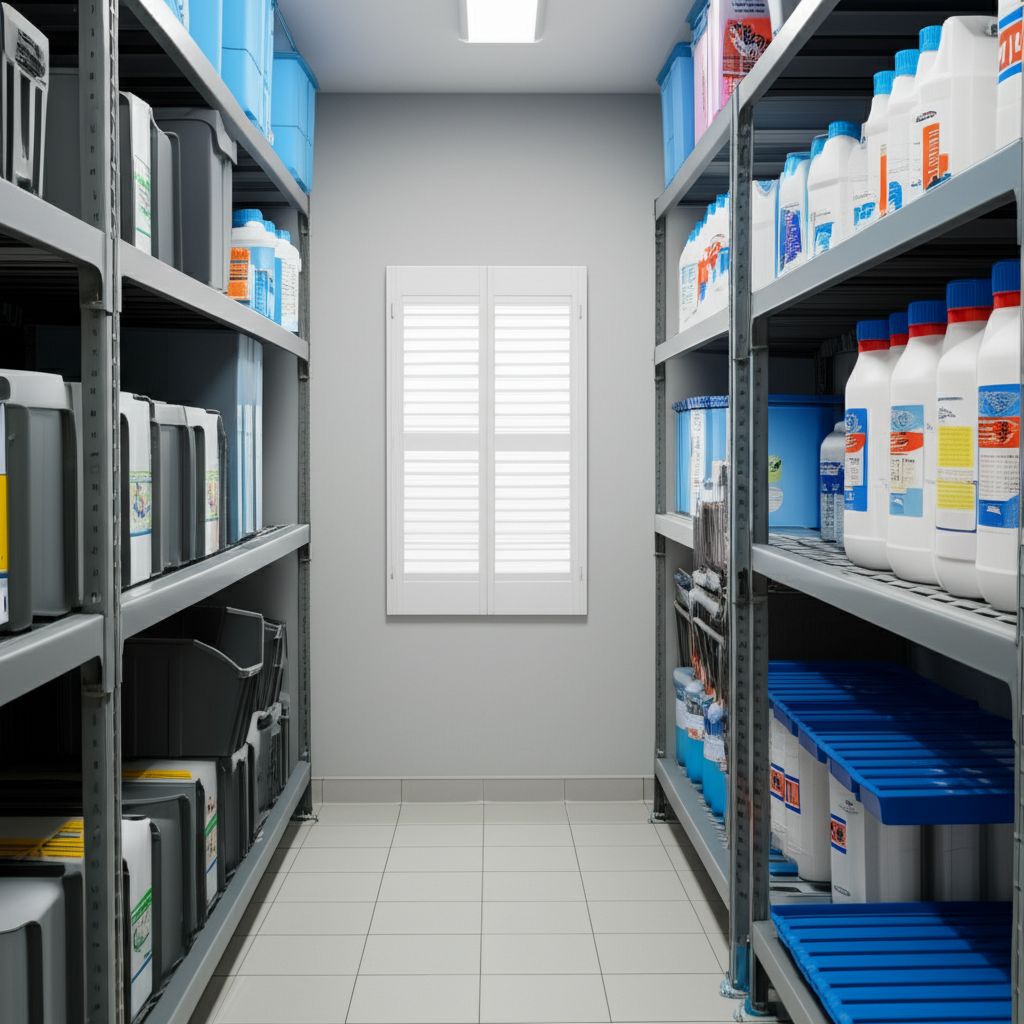
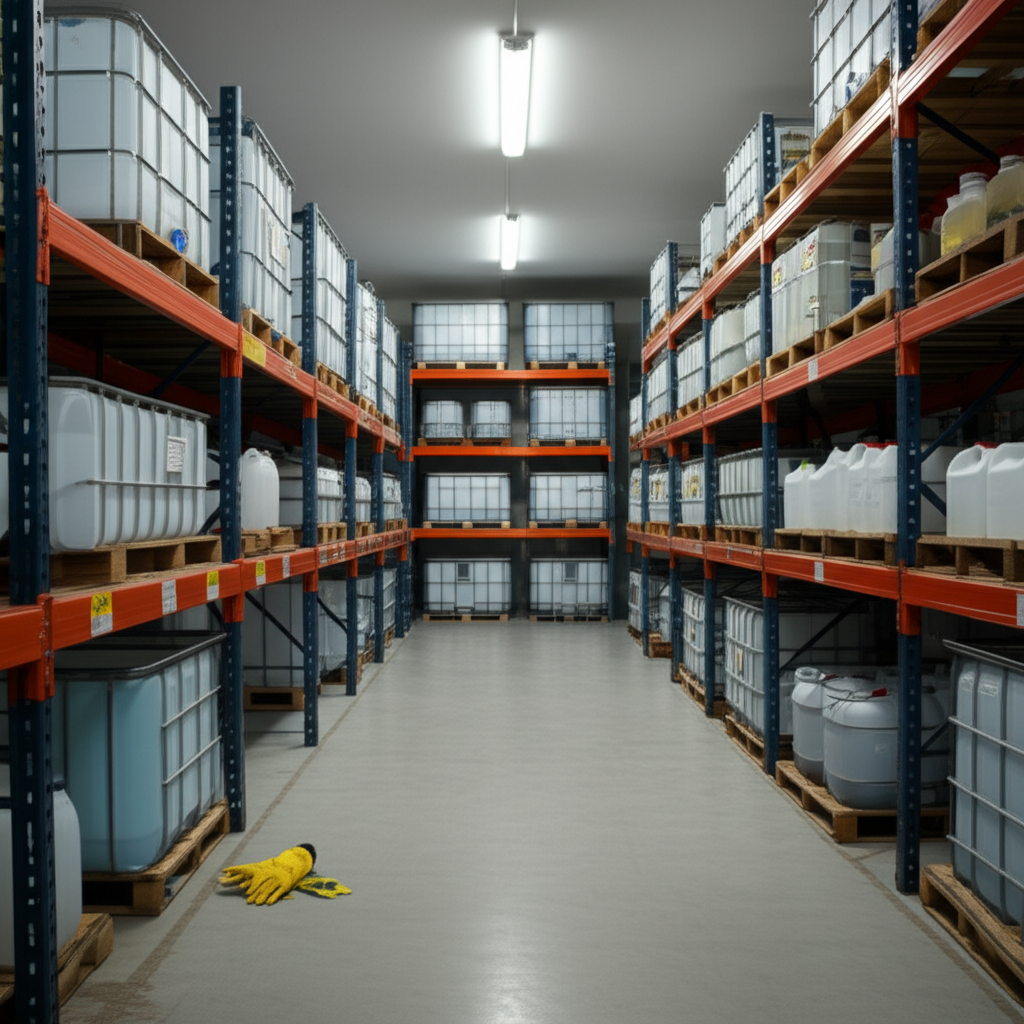
Cool, Dry, Well-Ventilated: Select an area that is naturally cool, dry, and has good airflow. Heat and humidity can accelerate chemical degradation and increase reactivity.
Out of Reach: Store all chemicals in a secure location inaccessible to children, pets, or unauthorized individuals. Child-proof locks on cabinets or sheds are non-negotiable.
Away from Living Spaces: Ideally, chemicals should be stored in a dedicated shed or detached utility area, away from the main house, garages, or any area where people frequently gather.
No Heat Sources/Direct Sunlight: Keep chemicals away from furnaces, water heaters, direct sunlight, grills, or any potential ignition sources.
Elevated Storage: Store containers off the floor, on sturdy shelves, to prevent water damage from flooding and to minimize corrosion of the floor itself if a spill occurs.
2. Segregation is Key:
Never Mix Chemicals: This is arguably the most crucial rule. Even residual amounts in containers can react violently. Never use an empty container from one chemical to store another.
Separate Oxidizers from Acids: Chlorine products (oxidizers) should be stored separately from pH decreasers (acids). Mixing these can release highly toxic chlorine gas.
Separate Liquids from Solids: Storing liquids below solids can prevent contamination if a liquid container leaks.
Dedicated Storage: Assign specific shelves or cabinets for different types of chemicals to prevent accidental mixing.
3. Original Containers Only:
Always store chemicals in their original, clearly labeled containers with tightly sealed lids. These containers are specifically designed to be compatible with the chemical inside.
Never transfer chemicals into unlabelled containers, food containers, or containers that previously held other substances. This leads to confusion and potential hazards.
4. Secure and Accessible:
While stored securely, ensure that in an emergency, an adult can safely and quickly access the chemicals if needed (e.g., for applying to a pool, but also for emergency containment).
Consider a lockable, non-combustible cabinet, especially for larger quantities of chemicals.
5. Labeling and Inventory:
Ensure all labels are intact and legible. If a label becomes damaged, replace it immediately with accurate information.
Keep an inventory of your chemicals, noting purchase dates and expiration dates. This helps in managing stock and ensures chemicals are used before they degrade.
Essential Safety Equipment for Handling Pool Chemicals
Safe chemical storage extends to safe handling. Always have the following personal protective equipment (PPE) readily available when handling chemicals:
Eye Protection: Chemical splash goggles or a face shield.
Hand Protection: Chemical-resistant gloves (e.g., neoprene, nitrile).
Respiratory Protection: In some situations with powders or strong fumes, a respirator might be necessary.
Protective Clothing: Long sleeves and pants, or a chemical apron, to prevent skin contact.
Emergency Infrastructure: Ensure immediate access to a water source (hose, emergency shower) for rinsing off splashes, and a properly stocked first aid kit.
Emergency Preparedness and Spill Management for Chemical Storage
Despite best practices, accidents can happen. Being prepared is vital for mitigating risks.
Spills:
Small Spills: Contain immediately. For dry chemicals, scoop up carefully (do not sweep, as this can create dust). For liquid spills, absorb with inert material like sand or kitty litter. Never use sawdust or rags, which can react.
Large Spills: Evacuate the area, ventilate if possible, and call emergency services or a hazmat team.
Personal Protection: Always wear appropriate PPE when cleaning up spills.
Neutralization: Only neutralize a spill if you are absolutely certain of the chemical composition and the appropriate neutralizing agent. Often, careful containment and disposal are safer.
Fires: If pool chemicals are involved in a fire, do not attempt to extinguish it with water unless you are specifically trained and know it’s safe for that chemical. Many pool chemicals react dangerously with water, potentially exacerbating the fire or explosion. Evacuate and call 911 immediately.
Exposure:
Skin Contact: Rinse immediately with large amounts of water for at least 15-20 minutes. Remove contaminated clothing.
Eye Contact: Flush eyes with water for at least 30 minutes, holding eyelids open. Seek immediate medical attention.
Inhalation: Move to fresh air. If breathing is difficult, seek medical attention.
Ingestion: Do NOT induce vomiting. Seek immediate medical attention or call Poison Control (1-800-222-1222).
Post contact: Ensure access to local emergency numbers: fire department, poison control, and your doctor.
Regular Maintenance and Best Practices
To ensure ongoing pool safety, incorporate these practices:
Regular Inspections: Periodically check all chemical containers for leaks, corrosion, or damage. Replace any compromised containers immediately.
Stock Rotation: Use older chemicals first (First In, First Out) to ensure freshness and prevent degradation.
Proper Disposal: Never dispose of chemicals down drains, in the trash, or into the environment. Consult your local hazardous waste disposal facility for proper disposal guidelines for expired or unwanted chemicals.
* Education: Ensure anyone who handles pool chemicals understands the risks, the proper storage procedures, and emergency protocols.
By making responsible chemical storage practices a priority, you’re not just complying with safety guidelines; you’re actively creating a safer, more enjoyable environment for everyone who uses your pool. A small investment of time and diligence can prevent serious incidents and ensure your pool remains a source of joy, not a hazard.