pH Increaser: Effortless & Effective pH Boost
March 18, 2026
Chloramines: Eliminate Annoying Chlorine Smells!
March 23, 2026
- What is Total Alkalinity and Why Does it Matter?
- The Unsung Hero: Baking Soda (Sodium Bicarbonate for Raising TA)
- Effortlessly Raise Alkalinity: A Step-by-Step Guide with Baking Soda
- Common Mistakes to Avoid When Raising TA
- Beyond the Basics: Maintaining Optimal Alkalinity
- Conclusion
Raise Alkalinity: It’s a fundamental aspect of water chemistry that often goes overlooked, yet it plays a crucial role in maintaining balanced and healthy water environments, especially in pools, spas, and even some aquariums or ponds. While pH often takes center stage, Total Alkalinity (TA) is its silent partner, acting as a buffer against drastic pH swings. Low alkalinity can lead to a host of problems, from corrosive water to inefficient sanitizers. Fortunately, the solution is remarkably simple and accessible: the humble baking soda.
This article will delve into the effortless secrets of using sodium bicarbonate, commonly known as baking soda, to effectively manage and increase your water’s total alkalinity, ensuring a stable and comfortable aquatic environment.
What is Total Alkalinity and Why Does it Matter?
Total Alkalinity (TA) refers to the measure of alkaline substances, primarily bicarbonates, carbonates, and hydroxides, dissolved in the water. These substances act as a buffer, meaning they resist changes in pH. Think of TA as your water’s “pH stabilizer.”
Why is maintaining proper TA levels so important?
pH Stability: This is its primary function. When TA is within the ideal range (typically 80-120 ppm for pools and spas), it prevents the pH from fluctuating wildly due to factors like rain, swimmer load, or chemical additions. Without sufficient buffering, pH can “bounce” erratically.
Corrosion Prevention: Low alkalinity often leads to low and unstable pH. Acidic water (low pH) is corrosive, eating away at pool surfaces, metal equipment, and even grout. It can also cause eye and skin irritation.
Scale Prevention: Conversely, excessively high alkalinity can make it difficult to lower pH and can contribute to scale formation (calcium buildup) and cloudy water.
Sanitizer Efficiency: Many sanitizers, especially chlorine, work most effectively within a specific pH range (typically 7.4-7.6). When TA is stable, it helps keep your pH in this optimal zone, ensuring your sanitizer is doing its job efficiently.
In essence, raising TA to the correct level is about creating a harmonious chemical balance that protects your investment, enhances swimmer comfort, and maximizes the effectiveness of your cleaning agents.
The Unsung Hero: Baking Soda (Sodium Bicarbonate for Raising TA)
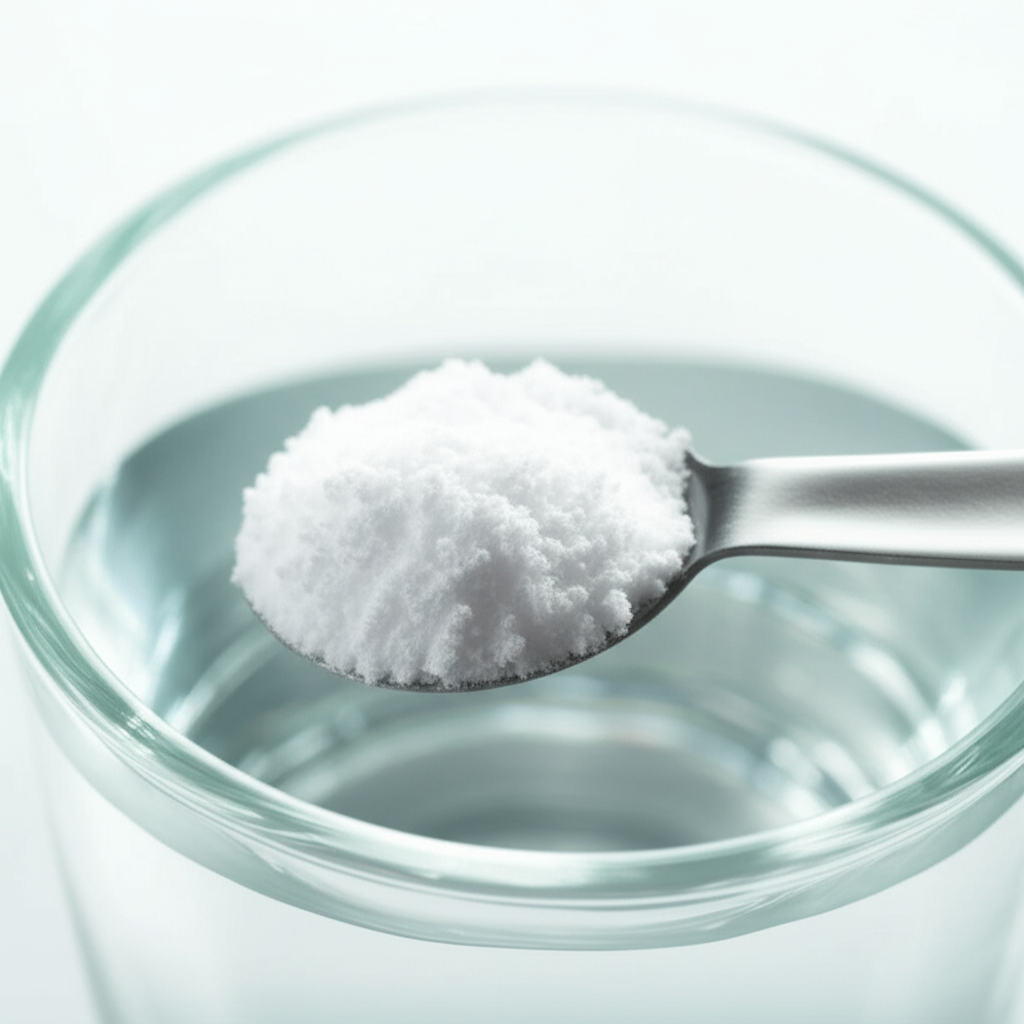
Enter baking soda, or sodium bicarbonate (NaHCO₃). This incredibly common household item is not just for baking; it’s also a highly effective and affordable chemical for raising TA. When dissolved in water, sodium bicarbonate releases bicarbonate ions, which are the primary components of alkalinity. These ions readily absorb excess hydrogen ions (which make water acidic) or release them (which make water alkaline), thereby buffering the pH.
Compared to other alkalinity increasers on the market, which are often just rebranded sodium bicarbonate, using plain baking soda offers several advantages:
Cost-Effective: It’s significantly cheaper than specialized pool chemicals.
Easily Accessible: Available at any grocery store.
Safe to Handle: Relatively non-hazardous compared to stronger pool acids or bases.
Pure and Effective: It effectively and predictably increases alkalinity without introducing unwanted contaminants.
The secret to its effectiveness lies in its chemical composition. Unlike chemicals that solely raise pH (like soda ash, which is sodium carbonate), baking soda primarily boosts the bicarbonate buffer without drastically spiking the pH in the short term. This makes it ideal for targeted raising TA efforts.
Effortlessly Raise Alkalinity: A Step-by-Step Guide with Baking Soda
Raising TA with baking soda is straightforward, but precision and patience are key.
1. Test Your Water First:
Before adding any chemicals, you must know your current Total Alkalinity level. Use a reliable test kit (liquid reagents or accurate test strips). For pools and spas, the ideal TA range is typically 80-120 ppm (parts per million), though some experts recommend 100-120 ppm for plaster pools.
2. Calculate the Right Dosage:
There’s a general rule of thumb for pools: Approximately 1.5 pounds of baking soda per 10,000 gallons of water will raise your TA by about 10 ppm.
Example: If you have a 20,000-gallon pool and your TA is 60 ppm (you want to reach 100 ppm, so a 40 ppm increase), you’d calculate:
Desired increase: 40 ppm
Baking soda per 10 ppm: 1.5 lbs / 10,000 gallons
For 20,000 gallons: (1.5 lbs / 10,000 gallons) 2 = 3 lbs per 10 ppm increase
Total needed: 3 lbs 4 (for 40 ppm increase) = 12 lbs of baking soda
For Spas/Hot Tubs: Spas are much smaller, so adjust proportionally. A typical 300-gallon spa might need only a few tablespoons (approx. 2-3 tablespoons per 100 gallons to raise TA by 10 ppm) to significantly change TA. Always start with smaller amounts.
3. Application Method: Slowly and Evenly:
Adding baking soda correctly ensures it dissolves properly and disperses throughout the water.
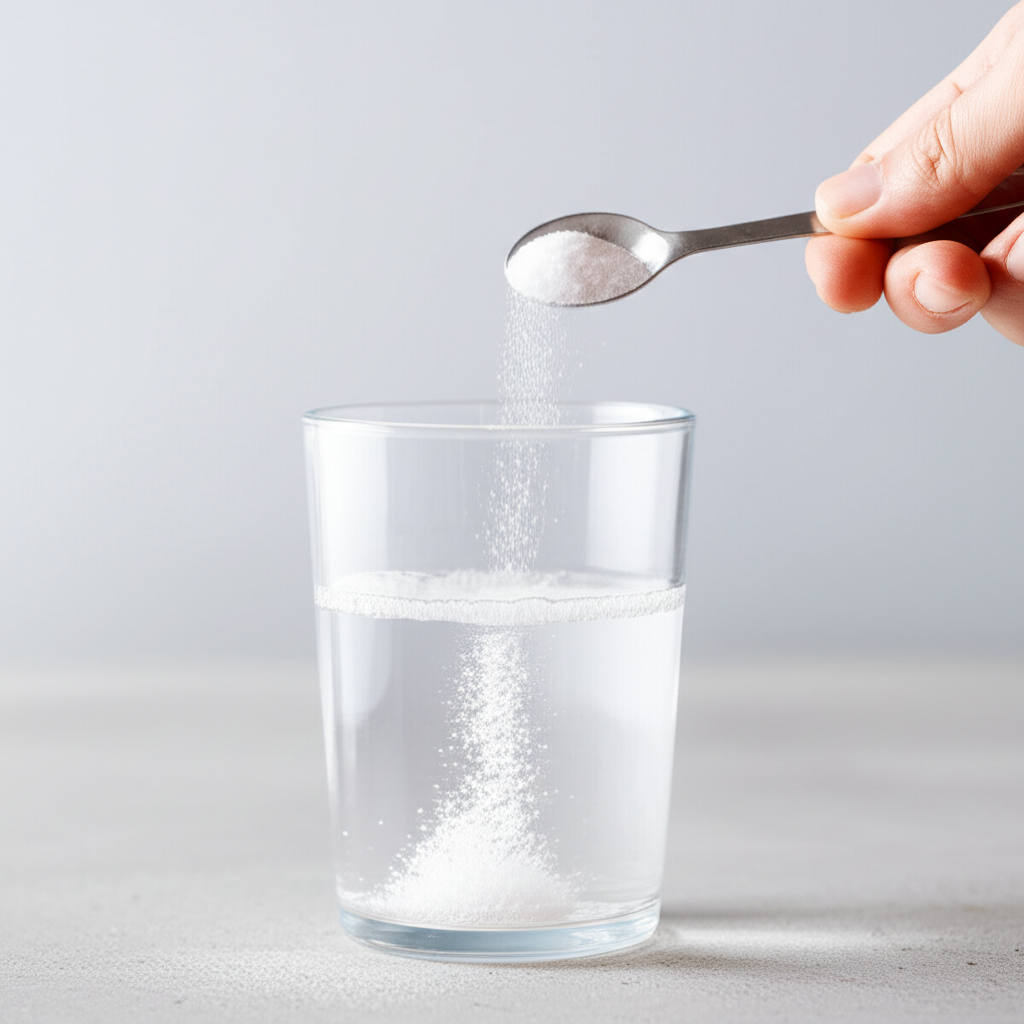
Pre-Dissolve (Recommended for larger amounts): For significant increases, it’s best to pre-dissolve the baking soda in a bucket of water. This prevents undissolved powder from settling on surfaces and potentially causing cloudiness. Stir until mostly dissolved.
Broadcast/Pour Slowly: With the circulation pump running, slowly pour the dissolved solution (or sprinkle the powder if adding small amounts directly) across the surface of the pool, particularly into the deepest areas or in front of return jets. Avoid adding it all in one concentrated spot.
Never add directly into the skimmer: This can bypass proper filtration and potentially upset the chemical balance of your filter.
4. Allow for Circulation and Retest:
Allow your pool or spa pump to circulate the water for at least 4-6 hours (or ideally, one full filter cycle) to ensure the baking soda is thoroughly mixed.
After circulation, retest your TA level. If it’s still too low, repeat steps 2-4, adding smaller increments (e.g., half of your initial calculated dose) until you reach the desired range. It’s always better to add too little and retest than too much.
Also, check your pH after TA adjustment, as raising TA can sometimes cause a slight increase in pH, though usually not as drastic as a soda ash addition.
Common Mistakes to Avoid When Raising TA
1. Adding Too Much Too Quickly: Overdosing can lead to excessively high TA, which is harder to correct and can cause cloudy water or scale issues.
2. Not Giving it Time to Circulate: Impatiently retesting too soon after addition will give inaccurate readings.
3. Ignoring Other Water Parameters: While focusing on TA, remember to keep an eye on pH, calcium hardness, and sanitizer levels. All aspects of water chemistry are interconnected.
4. Confusing Baking Soda and Washing Soda: While both are sodium carbonates, washing soda (sodium carbonate, Na₂CO₃) is much stronger and primarily used for significantly increasing pH, not just TA. Using it instead of baking soda will cause a drastic pH spike.
Beyond the Basics: Maintaining Optimal Alkalinity
Once you’ve achieved your ideal TA range by raising TA with baking soda, ongoing maintenance is crucial.
Regular Testing: Test your TA weekly, or more frequently during heavy use or after rainfall.
Understand TA Depleters: Rainwater is naturally low in TA and can dilute your water’s alkalinity. Frequent additions of acidic chemicals (like muriatic acid to lower pH) also consume alkalinity.
* Adjust as Needed: If you notice your TA creeping down, a small dose of baking soda can bring it back into balance before it becomes a problem.
Conclusion
Raising TA doesn’t have to be a complex or expensive endeavor. With an understanding of your water chemistry and the simple power of baking soda, you can effortlessly maintain optimal Total Alkalinity levels. This fundamental step ensures stable pH, protects your pool or spa infrastructure, enhances sanitation efficiency, and ultimately contributes to crystal clear water and a more enjoyable aquatic experience. Embrace these “baking soda secrets” and unlock the pathway to perfectly balanced water.