Neutralize Chlorine: Effortless & Best Solutions
March 16, 2026
Raise Alkalinity: Effortless Baking Soda Secrets
March 20, 2026
- Understanding pH: Why Balance Matters
- When to Consider a pH Increaser System
- The Science of Boosting pH: The Role of Soda Ash
- Effortless & Effective pH Boost: Your Options
- The Undeniable Benefits of a Reliable pH Increaser
- Implementing an Effortless pH Boost System
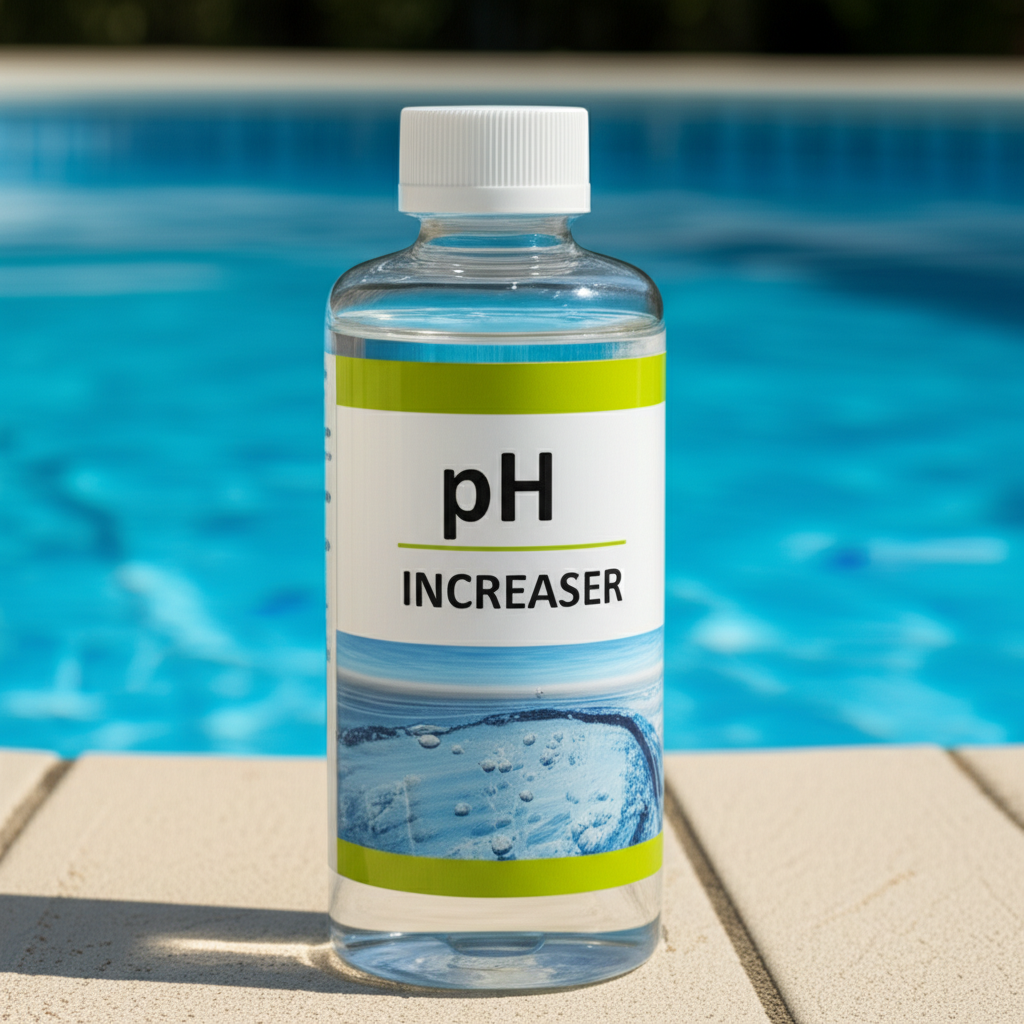
A pH increaser is a vital tool for anyone looking to optimize their water quality, whether it’s for household use, swimming pools, or agricultural applications. Understanding the pH scale and the implications of unbalanced water is the first step toward appreciating the effortless and effective solutions a pH increaser offers. Essentially, pH is a measure of how acidic or alkaline water is, ranging from 0 (highly acidic) to 14 (highly alkaline), with 7 being perfectly neutral. When your water’s pH dips below the ideal range – often between 7.0 and 8.5 for most domestic uses – you encounter a host of problems that can impact everything from your plumbing to your health.
Understanding pH: Why Balance Matters
Water’s pH level isn’t just a number; it dictates the water’s corrosive potential, its ability to carry certain chemicals, and even its taste. Low pH water, also known as acidic water, is a common issue, especially in areas with certain geological formations or environmental influences like acid rain. Acidic water can lead to:
Corrosion: It slowly eats away at metal pipes and fixtures, leading to leaks, costly repairs, and a reduced lifespan for appliances like water heaters and dishwashers. You might notice blue-green stains on your sinks, tubs, and clothing, a tell-tale sign of copper corrosion.
Metallic Taste and Odor: Acidic water often picks up metallic contaminants from pipes, resulting in an unpleasant taste and sometimes an odor.
Health Concerns: While often more of an aesthetic and plumbing issue, highly acidic water can leach heavy metals like lead and copper into your drinking water, posing potential health risks with prolonged exposure.
Ineffectiveness of Other Treatments: The efficacy of chlorine, for instance, significantly decreases in acidic water, impacting disinfection efforts.
Conversely, excessively high pH (alkaline) water can lead to scale buildup, but low pH is generally a more common and damaging issue in residential settings. Maintaining an optimal pH balance is therefore crucial for the longevity of your home’s water system and the quality of water you consume and use daily.
When to Consider a pH Increaser System
The need for a pH increaser becomes apparent when water testing reveals a consistently low pH. This can occur for several reasons:
Natural Water Sources: Groundwater, particularly from wells, can naturally be acidic due to the minerals and rocks it flows through.
Environmental Factors: Rainfall can be naturally acidic, especially in regions affected by industrial pollution (acid rain), which can then seep into groundwater or surface water sources.
Water Treatment Processes: Some municipal water treatment processes, while beneficial for disinfection, can sometimes result in slightly acidic water.
Signs you might need to test your water for low pH include a persistent metallic taste, unexplained plumbing leaks, blue-green stains in sinks or fixtures, or a general perception of poor water quality. Professional water testing is always recommended to pinpoint the exact pH level and identify any other contaminants.
The Science of Boosting pH: The Role of Soda Ash
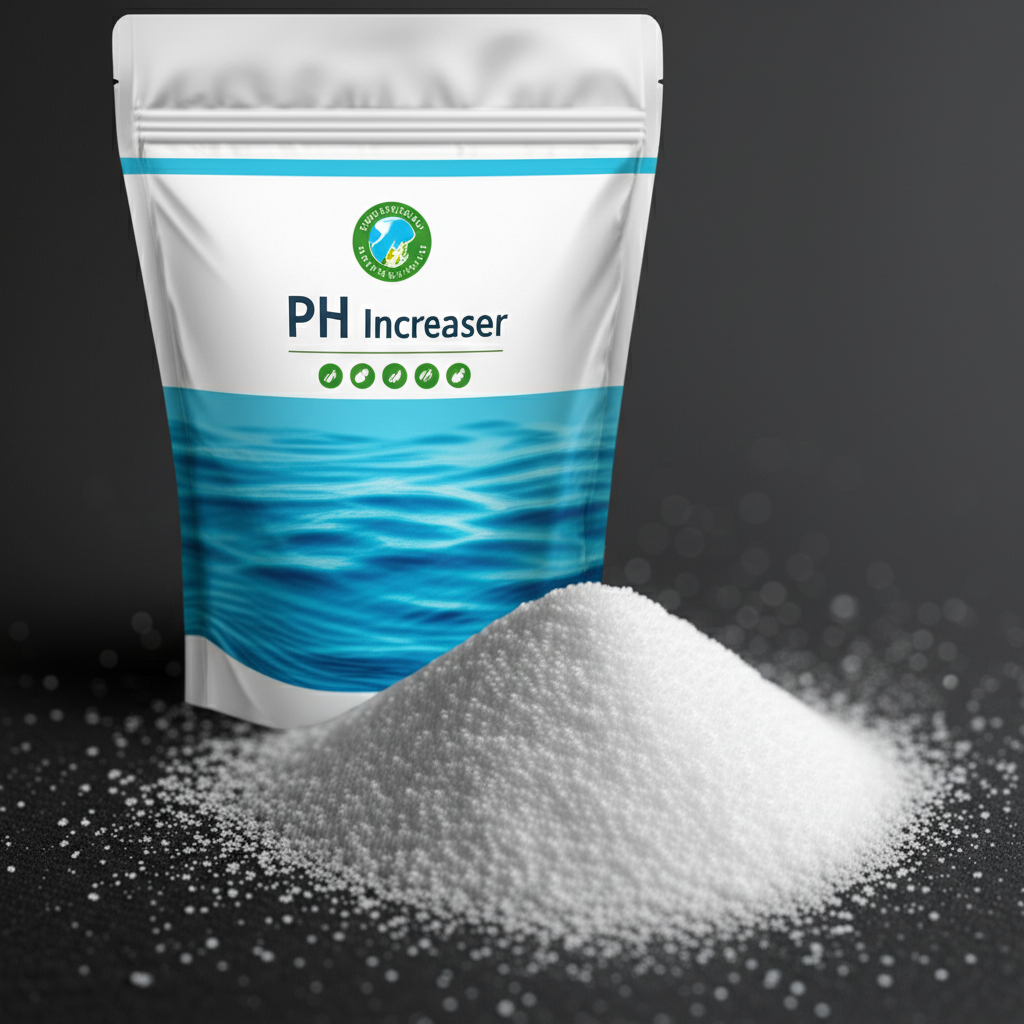
At its core, increasing the pH of water involves adding an alkaline substance to neutralize the acidity. One of the most common and effective compounds used in pH increaser products and systems is Soda Ash, also known as sodium carbonate ($text{Na}_2text{CO}_3$).
Soda Ash is a naturally occurring alkaline salt that dissolves readily in water. When introduced to acidic water, the carbonate ions react with the hydrogen ions (which define acidity), effectively reducing the concentration of hydrogen ions and thereby raising the pH. It’s a highly efficient and safe method for alkalinity adjustment, widely utilized in municipal water treatment, swimming pool maintenance, and residential water conditioning.
The advantages of using Soda Ash as a primary ingredient in a pH increaser include:
Effectiveness: It provides a reliable and consistent method for increasing pH.
Safety: It’s considered safe for potable water treatment when used in appropriate concentrations.
Cost-Effectiveness: It’s readily available and relatively inexpensive, making it a sustainable solution for pH correction.
Versatility: It can be used in various application methods, from manual dosing to automated injection systems.
Effortless & Effective pH Boost: Your Options
Modern pH increaser systems are designed for convenience and efficiency, making what once was a tedious task an effortless part of water management. There are two primary categories of automated or semi-automated pH boosting systems:
1. Chemical Injection Systems: These systems use a chemical feed pump to inject a liquid solution, typically a diluted soda ash solution, directly into the water line. The pump is usually controlled by a proportional flow meter or a pH sensor, ensuring that the correct amount of solution is added to maintain a stable pH. These are highly precise and are excellent for treating consistently low pH over a wide range.
2. Neutralizing Filters/Media Systems: These systems employ a tank filled with a neutralizing media, often calcium carbonate (limestone) or magnesium oxide. As acidic water passes through the media, the minerals dissolve, raising the pH. While effective, these systems require periodic replenishment of the media as it gets consumed. They are typically more suitable for moderately acidic water.
For homeowners, selecting an “effortless and effective” solution often means choosing an automated approach that requires minimal intervention. These systems monitor your water and make adjustments automatically, providing peace of mind and consistent water quality without constant manual checks and additions.
The Undeniable Benefits of a Reliable pH Increaser
Investing in a robust pH increaser system offers a multitude of benefits that extend beyond just a number on a scale:
Protection of Home Infrastructure: By neutralizing acidic water, you effectively stop corrosion in its tracks, preserving your plumbing, water heater, and other water-using appliances. This translates to significant long-term cost savings by avoiding repairs and premature replacements.
Improved Water Aesthetics: Say goodbye to metallic tastes, strange odors, and unsightly blue-green stains. Water treated with a pH increaser often tastes cleaner and clearer, making it more pleasant for drinking, cooking, and bathing.
Enhanced Water Treatment Efficacy: With a balanced pH, other water treatment processes, such as chlorination or filtration, can operate at their peak efficiency, ensuring safer and purer water.
* Peace of Mind: Knowing your water is healthy, your pipes are protected, and your appliances are running efficiently provides invaluable peace of mind.
Implementing an Effortless pH Boost System
The first step in implementing an effective pH increaser system is always a comprehensive water analysis. This will determine the extent of the pH imbalance and identify any other contaminants that might need addressing. Consulting with a qualified water treatment specialist is highly recommended. They can assess your specific needs, recommend the most suitable system (injection or neutralizing filter) based on your water chemistry and usage, and ensure proper installation for optimal, effortless, and effective pH regulation.
In conclusion, maintaining an optimal water pH is a fundamental aspect of water quality management. With modern, reliable pH increaser systems, driven by effective compounds like Soda Ash, achieving and sustaining that balance is more effortless and effective than ever before. It’s an investment that safeguards your home, enhances your water experience, and contributes to overall well-being.