Borate Treatment: Ultimate Algae Prevention
March 12, 2026
Bromine Sanitizer: Safer, Superior Chlorine Alternative
March 15, 2026
- Understanding the Problem: Why Chlorine Becomes Ineffective
- Identifying the Symptoms of Chlorine Lock
- The Culprit: Cyanuric Acid (CYA)
- Overcoming Chlorine Lock: Your Action Plan
- Preventing Future Chlorine Lock
Chlorine Lock: It’s a frustrating and often misunderstood problem that can plague pool owners, turning sparkling blue water into a murky, algae-ridden mess despite seemingly adequate chlorine levels. This condition, where your pool’s sanitizing power is severely compromised even with plenty of chlorine present, is a critical issue demanding attention. The root cause usually traces back to High CYA (Cyanuric Acid) levels, rendering your valuable chlorine utterly ineffective chlorine. Understanding and addressing chlorine lock is paramount to maintaining a healthy, safe, and enjoyable swimming environment.
Understanding the Problem: Why Chlorine Becomes Ineffective
At its core, chlorine’s job is to sanitize your pool water by oxidizing contaminants like bacteria, viruses, and algae. It does this effectively in its “free” form (Free Chlorine or FC). However, sunshine is chlorine’s nemesis; UV rays rapidly destroy chlorine molecules, greatly reducing their lifespan. This is where Cyanuric Acid (CYA), also known as chlorine stabilizer or conditioner, comes into play. CYA binds to chlorine, protecting it from the sun’s destructive UV rays and extending its presence in the water. It’s a double-edged sword: while beneficial in moderate amounts, too much CYA can create a significant problem.
When CYA levels become excessively high, chlorine molecules become “locked up” or excessively bound to the CYA. This dramatically reduces the amount of “active” or “free” chlorine available to actually sanitize the water. Even if your test kit shows a high Free Chlorine reading, if your CYA is also very high, a large percentage of that chlorine is unavailable to do its job. This is the essence of chlorine lock, leading directly to ineffective chlorine and a host of water quality issues.
Identifying the Symptoms of Chlorine Lock
Spotting chlorine lock often requires more than just glancing at your pool. Here are the tell-tale signs:
Persistent Cloudiness: Despite clear filtration and adequate run times, your water remains cloudy or dull.
Rapid Algae Growth: Algae begins to bloom quickly, often appearing green or black, even when you’re adding chlorine regularly.
High Chlorine Readings, No Results: Your test kit shows sufficient (even high) Free Chlorine levels, but the water quality continues to deteriorate.
Increased Chemical Consumption: You find yourself adding more and more chlorine, shock treatments, and algaecides with little to no lasting improvement.
Strong Chlorine Smell (sometimes): This might seem counterintuitive, but a strong chemical odor is often caused by chloramines (spent chlorine compounds) developing due to the ineffective free chlorine not oxidizing contaminants properly, rather than active chlorine.
If you’re experiencing these symptoms, especially with high chlorine readings, your next step should always be to test your CYA levels. You can’t truly address ineffective chlorine without understanding your stabilizer concentration.
The Culprit: Cyanuric Acid (CYA)
Cyanuric Acid is a crucial component for outdoor pools, but moderation is key. It typically enters your pool through:
Stabilized Chlorine Products: Most chlorine tablets (trichlor) and granular shock (dichlor) contain CYA.
Liquid Stabilizer/Conditioner: Added directly to the water.
The ideal CYA range for most residential pools is generally 30-50 parts per million (ppm). Some experts stretch this to 60-80 ppm for pools in very sunny climates or those using salt chlorine generators. However, once CYA levels creep above 80-100 ppm, they start to significantly hinder chlorine’s effectiveness. At 150 ppm and above, chlorine can become almost entirely ineffective, regardless of the amount you add. At very high CYA levels, the bound chlorine simply doesn’t detach sufficiently or quickly enough to provide adequate sanitation.
Overcoming Chlorine Lock: Your Action Plan
The “critical fix” for chlorine lock is surprisingly simple in concept, though it requires time and effort: dilution. There is no chemical product that effectively or safely removes CYA from pool water. The only reliable method is to replace a portion of the water with fresh, unstabilized water.
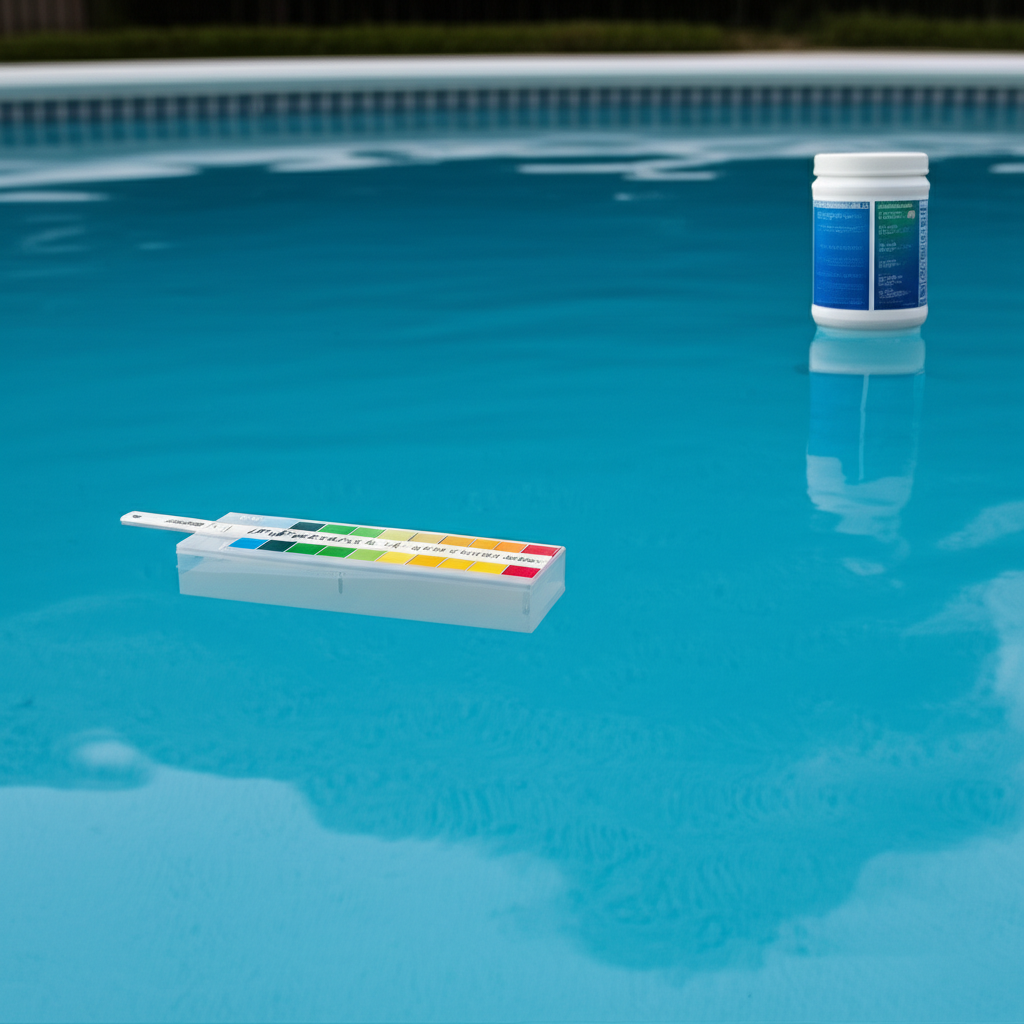
1. Test Thoroughly: Begin by getting accurate readings for Free Chlorine (FC), Total Chlorine (TC), pH, Alkalinity, Calcium Hardness, and most importantly, CYA. Many home test strips struggle with high CYA readings, so a reliable liquid test kit (like a DPD/OTO kit with a turbidity test for CYA) or a professional pool store test is recommended.
2. Calculate Required Dilution: Based on your current CYA level and your target level (e.g., aiming for 50 ppm), determine how much water needs to be drained and refilled. For example, to halve your CYA, you need to replace half your pool water.
3. Perform a Partial Drain and Refill:
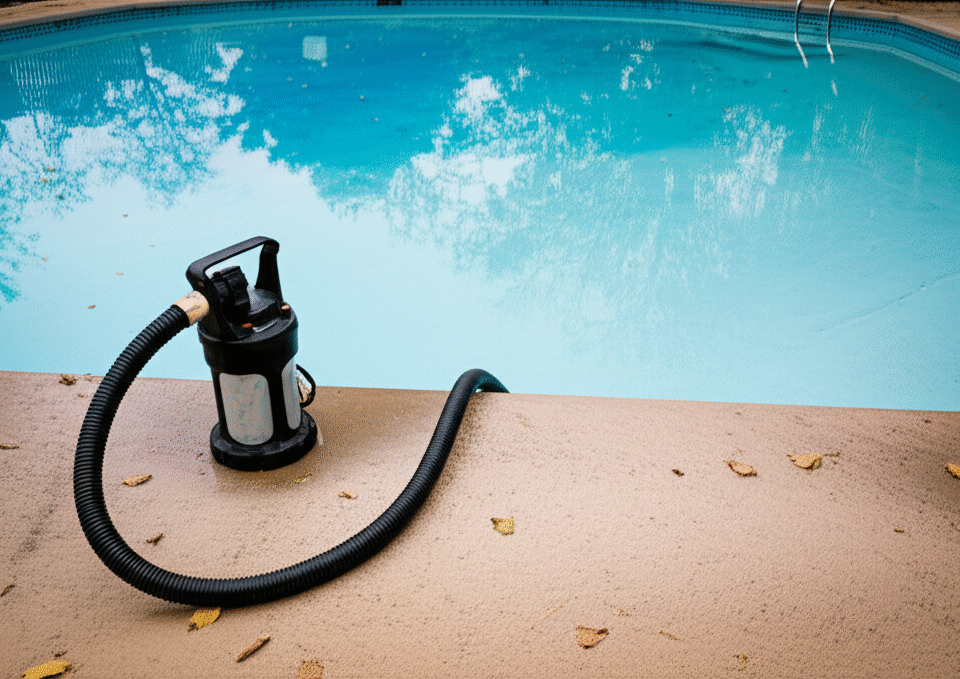
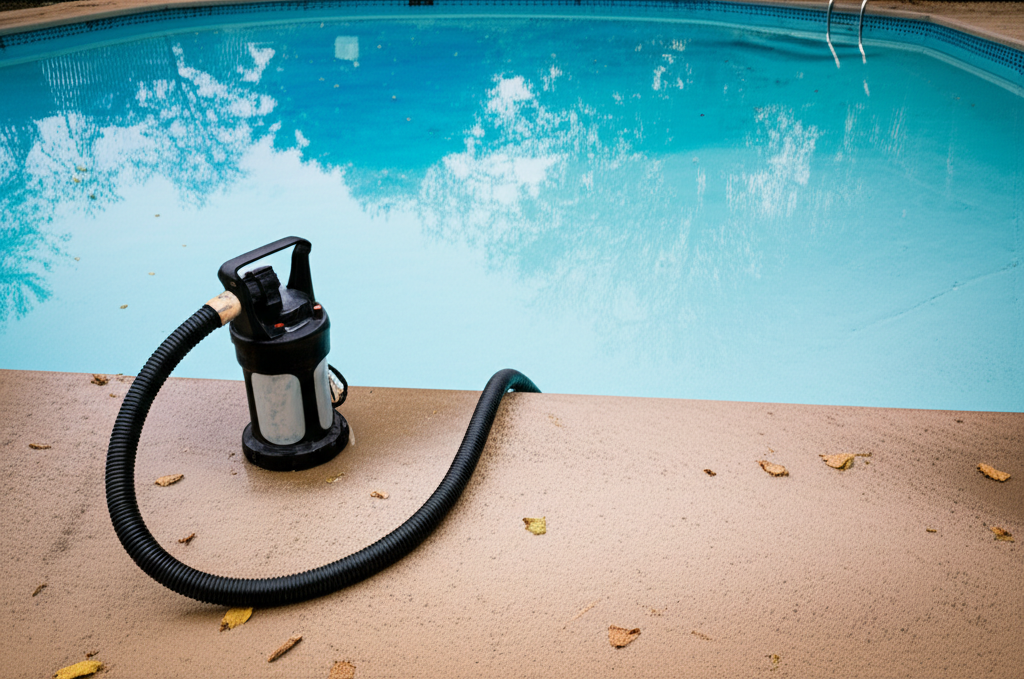
Lower your pool’s water level using your filter system’s “waste” setting (if applicable) or a submersible pump.
Ensure the water level remains above your skimmer to protect your pump.
Refill the pool with fresh water.
If your CYA levels are extremely high, you might need to perform multiple partial drains and refills over several days or weeks to avoid excessive chemical shocking to the fresh water.
4. Rebalance Chemistry: After refilling, allow the water to circulate thoroughly for several hours. Then, retest all parameters (FC, TC, pH, Alkalinity, CYA). You’ll likely need to add new chlorine and possibly adjust pH and alkalinity.
5. Shock if Necessary: Once CYA levels are in a healthy range, your chlorine will finally be effective. If algae is present, perform a super chlorination (shock) to rapidly eliminate contaminants. With proper CYA, this shock will now work as intended.
Preventing Future Chlorine Lock
Once you’ve overcome chlorine lock, diligent maintenance is key to preventing its return.
Regular Water Testing: Test your CYA levels regularly, at least monthly, and more often if you’re using stabilized chlorine or experiencing problems.
Mindful Chlorine Choices: If you consistently use stabilized chlorine products (e.g., trichlor tablets), your CYA will continually rise. Consider alternating with unstabilized chlorine sources like liquid chlorine (sodium hypochlorite) or a salt chlorine generator, especially once your CYA is in the ideal range.
Dilution as Maintenance: Occasional smaller partial drains and refills can help keep CYA in check, especially if you have a high evaporation rate or always use stabilized chlorine. Rainwater can also provide a minor diluting effect.
* Avoid Over-Stabilizing: Don’t add liquid stabilizer if your CYA levels are already sufficient. Many new pool owners mistakenly add stabilizer when they first fill their pool, then continue to use stabilized chlorine, quickly leading to excessive levels.
In conclusion, chlorine lock is a significant barrier to maintaining a clear and healthy pool, directly resulting from high CYA concentrations that render your cleaning efforts into ineffective chlorine. By understanding the role of Cyanuric Acid, recognizing the symptoms, and committing to the critical fix of dilution, you can reclaim your pool’s sanitizing power and ensure a pristine swimming experience for seasons to come. Proactive monitoring and informed chemical choices are your best defense against this common pool problem.