Pink Slime: Eradicate It Fast & Effortlessly
March 5, 2026
Water Test Kits: Instant, Accurate Pool Water.
March 9, 2026
- What is Ozone and How Does it Work in Pools?
- The Science Behind Ozone Pool Systems: A Deeper Dive
- Unlocking the Benefits of Ozone Pool Systems for Ultimate Clean Water
- Integrating an Ozone Generator into Your Pool System
- Addressing Common Questions About Ozone Pool Systems
- Is an Ozone Pool System Right for You?
Ozone Pool Systems represent a revolutionary leap forward in achieving extraordinarily clean and healthy swimming water. For decades, pool owners have grappled with the delicate balance of chemical sanitization, often leading to eye irritation, skin dryness, and that unmistakable chlorine smell. But thanks to advancements in water purification technology, a new era is dawning, promising pristine water with significantly fewer harsh chemicals: the era of ozone.
What is Ozone and How Does it Work in Pools?
Ozone (O3) is a powerful natural oxidizer, an allotrope of oxygen, and one of the most effective sanitizers known to humankind. It’s often referred to as “nature’s purifier” because it’s naturally produced during lightning storms, cleaning the air. In the context of swimming pools, an Ozone Generator, often simply called an Ozonator, is strategically installed to produce this potent sanitizer on-site.
The Ozonator works by either passing air over a high-intensity UV lamp or through a corona discharge process, both of which split oxygen molecules (O2) into individual oxygen atoms, which then quickly recombine to form ozone (O3). This newly generated ozone is then injected into the pool’s circulation system, typically after the filter and before the heater. Once in the water, ozone immediately goes to work. It oxidizes and neutralizes contaminants such as bacteria, viruses, algae, oils, lotions, and other organic matter. After it has completed its work, ozone rapidly reverts back to harmless oxygen without leaving any chemical residue or byproducts.
The Science Behind Ozone Pool Systems: A Deeper Dive
The effectiveness of ozone lies in its highly reactive nature. As a strong oxidizer, ozone has a much higher oxidation potential than chlorine. When ozone molecules come into contact with pollutants in the water, they essentially “burn” or break down these substances at a molecular level. This process effectively kills pathogens and destroys dissolved organic materials that contribute to cloudy water and chemical consumption.
Beyond direct sanitization, ozone also performs a micro-flocculation action. It causes microscopic particles in the water to clump together, making them larger and easier for your pool filter to capture. This leads to exceptional clarity that traditional methods often struggle to achieve. By breaking down chloramines (the compounds responsible for the “chlorine smell” and skin irritation), ozone also revitalizes the effectiveness of any residual chlorine, allowing you to use significantly less of it.
Unlocking the Benefits of Ozone Pool Systems for Ultimate Clean Water
The advantages of integrating an ozone system into your pool are numerous and compelling, transforming the overall swimming experience.
1. Reduced Chemical Reliance: This is perhaps the most significant benefit. By taking on the majority of the sanitation workload, ozone drastically reduces the need for traditional chemical sanitizers like chlorine or bromine. This translates to lower chemical purchasing costs and fewer trips to the pool supply store.
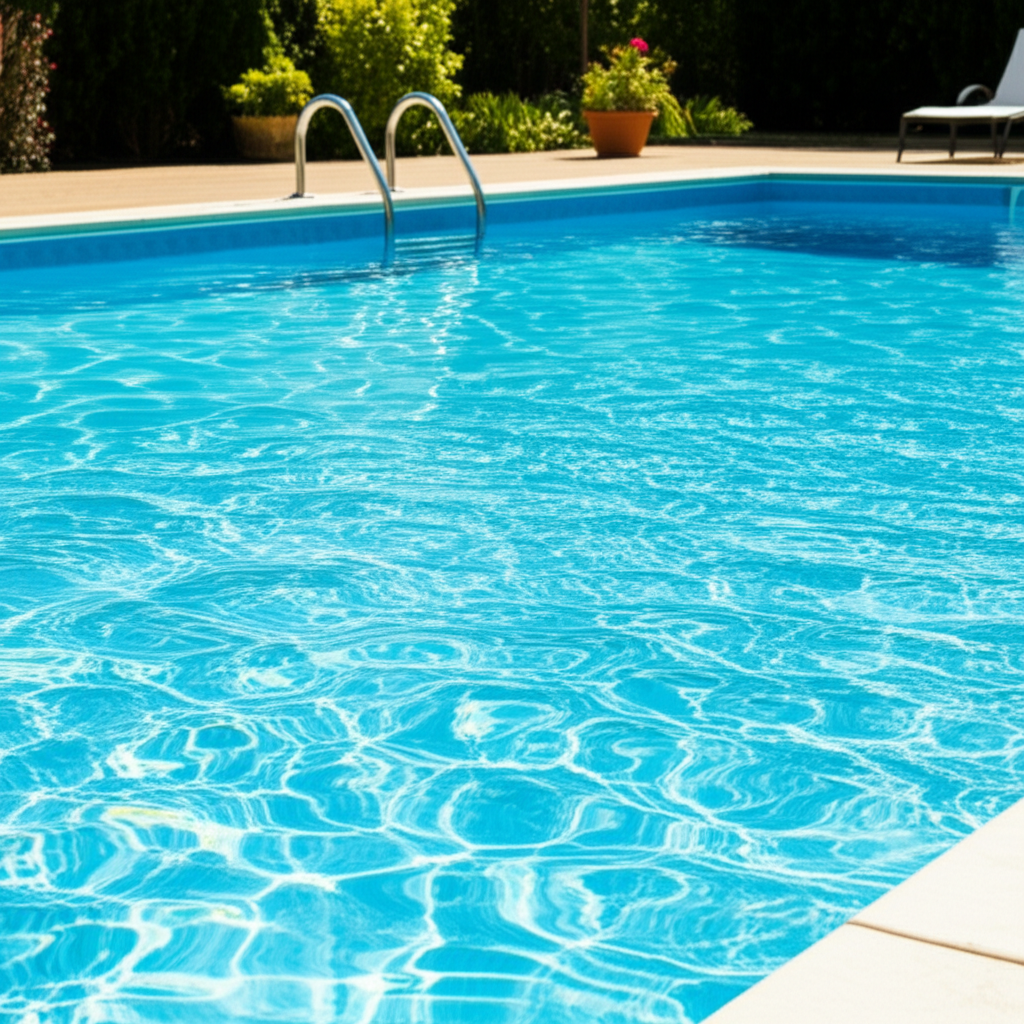
2. Superior Water Quality: Swimmers immediately notice the difference. Water purified by an Ozone Generator is exceptionally clear, sparkling, and inviting. The elimination of chloramines means no more harsh chemical odors, irritated eyes, or dry, itchy skin after a swim. The water feels softer and more natural.
3. Enhanced Health and Safety: With fewer harsh chemicals in the water, the risk of developing chemical sensitivities or respiratory issues commonly associated with chlorinated pools is significantly reduced. Ozone also effectively destroys chlorine-resistant microorganisms like Giardia and Cryptosporidium, offering an extra layer of protection.
4. Environmental Friendliness: Ozone is an eco-conscious choice. It’s produced on demand from oxygen and breaks down into oxygen after use, leaving no harmful residues or contributing to chemical runoff. This makes it a sustainable option for pool sanitation.
5. Extended Equipment Lifespan: Lower chemical concentrations mean less corrosive water circulating through your pool’s plumbing, pump, heater, and other equipment. This can potentially extend the life of these costly components, saving you money on repairs and replacements in the long run.
Integrating an Ozone Generator into Your Pool System
Adding an Ozonator to an existing pool or incorporating it into a new build is a straightforward process for qualified professionals. There are two primary types of ozone generators:
UV Ozone Generators: These units use a specialized UV light bulb to produce ozone. They are generally simpler and more cost-effective upfront but may have lower ozone output and require periodic lamp replacement.
Corona Discharge (CD) Ozone Generators: These are typically more powerful, producing ozone by passing air through a high-voltage electrical field. They are more efficient, produce more ozone, and usually have a longer lifespan for their ozone-producing cells, though they may have a higher initial cost.
Regardless of the type, the Ozone Generator is installed to inject ozone into the pool’s main circulation line. This usually involves a venturi injector or a specialized contact chamber, ensuring efficient mixing and reaction time before the water returns to the pool. While some DIY solutions exist, professional installation is recommended to ensure optimal performance, safety, and compatibility with your existing pool plumbing.
Addressing Common Questions About Ozone Pool Systems
Many prospective buyers have questions about making the switch to ozone:
Is Ozone Safe? Yes, when properly installed and used, ozone for pool sanitation is very safe. The ozone is injected into the closed plumbing system, where it does its work before the water returns to the pool. By the time the water re-enters the main pool body, any residual ozone quickly dissipates or reverts to oxygen.
Does Ozone Replace Chlorine Entirely? Not typically. While ozone dramatically reduces the need for chlorine, most health codes and best practices still recommend maintaining a minimal residual level of a conventional sanitizer (like chlorine) in the pool water. This acts as a secondary defense and provides residual sanitization for contaminants introduced directly into the pool by swimmers. Ozone works in conjunction with chlorine, making the chlorine you do use far more effective.
* What Maintenance Does an Ozone Generator Require? Maintenance is generally minimal. UV Ozonators require occasional lamp replacement (every 9,000 to 18,000 hours of operation, depending on the model). Corona Discharge units require cleaning or replacement of their ozone cell less frequently. Regular inspection of the injection system is also advisable.
Is an Ozone Pool System Right for You?
If you dream of swimming in water that feels incredibly clean, smells fresh, and minimizes exposure to harsh chemicals, then Ozone Pool Systems are definitely worth considering. They offer a premium swimming experience that prioritizes health, comfort, and environmental responsibility. While there’s an initial investment, the long-term savings on chemicals, reduced wear on equipment, and unparalleled water quality often make it a worthwhile upgrade for any pool owner seeking the ultimate clean pool water.
In conclusion, moving towards an ozone-purified pool is a step towards a healthier, more enjoyable, and environmentally conscious swimming experience. Embrace the power of nature’s sanitizer and transform your pool into a truly pristine oasis.