Filter Cleaning: Ultimate Easy Pool Maintenance
January 17, 2026
Pool Opening: Must-Have Tips for Easy Summer
January 20, 2026
- Why Your Pool Pump Deserves Regular Attention
- Daily and Weekly Essentials: Pump Basket Cleaning
- Mastering Regular Pool Pump Care: Monthly & Quarterly Checks
- Annual Insights and Professional Assistance
- The Payoff: Longevity, Efficiency, and Sparkling Water
Pool Pump Care: The Ultimate Guide to Easy Maintenance
Pool pump care is an essential aspect of owning a swimming pool, ensuring crystal-clear water, efficient operation, and extending the life of your valuable equipment. While the idea of maintaining pool machinery might seem daunting, core pump maintenance is surprisingly straightforward and incredibly rewarding. Neglecting this vital component can lead to cloudy water, costly repairs, and significantly higher energy bills. By following a few simple, routine steps, you can keep your pump humming efficiently, saving you time, money, and hassle in the long run.
Why Your Pool Pump Deserves Regular Attention
The pool pump is the heart of your swimming pool’s circulation system. It draws water from the main drain and skimmers, pushes it through the filter, and then returns it, clean, to the pool. This continuous movement not only keeps your water looking inviting but also ensures your chemicals are properly distributed and prevents the growth of algae and bacteria. A well-maintained pump translates directly into a healthier, more enjoyable swimming environment and a more energy-efficient system. Conversely, a neglected pump struggles, leading to decreased flow, increased wear and tear, and ultimately, premature failure.
Daily and Weekly Essentials: Pump Basket Cleaning
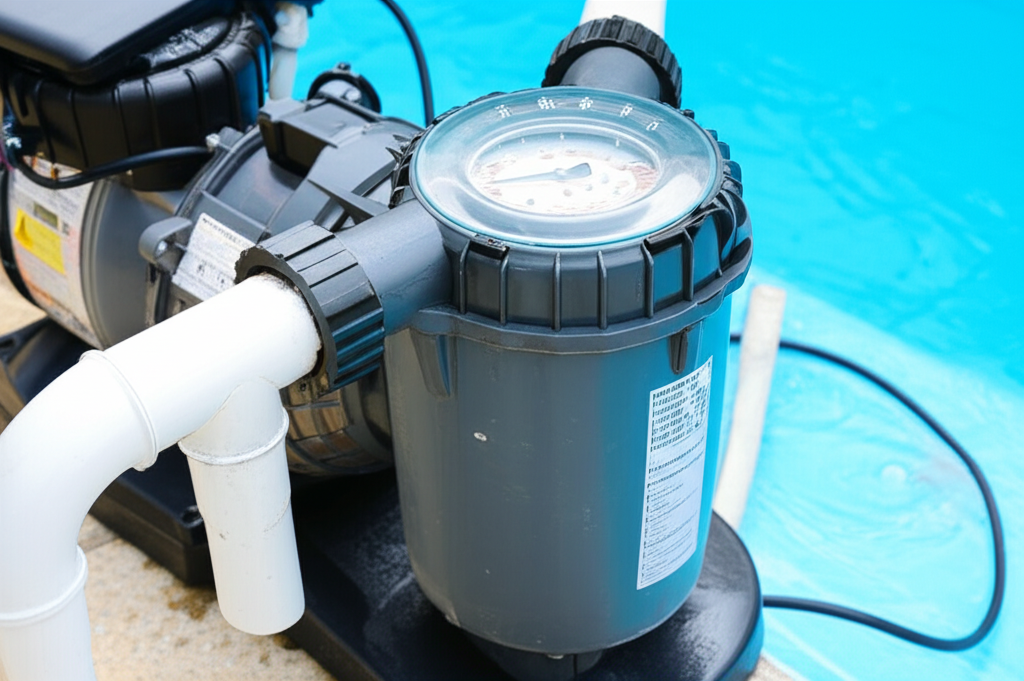
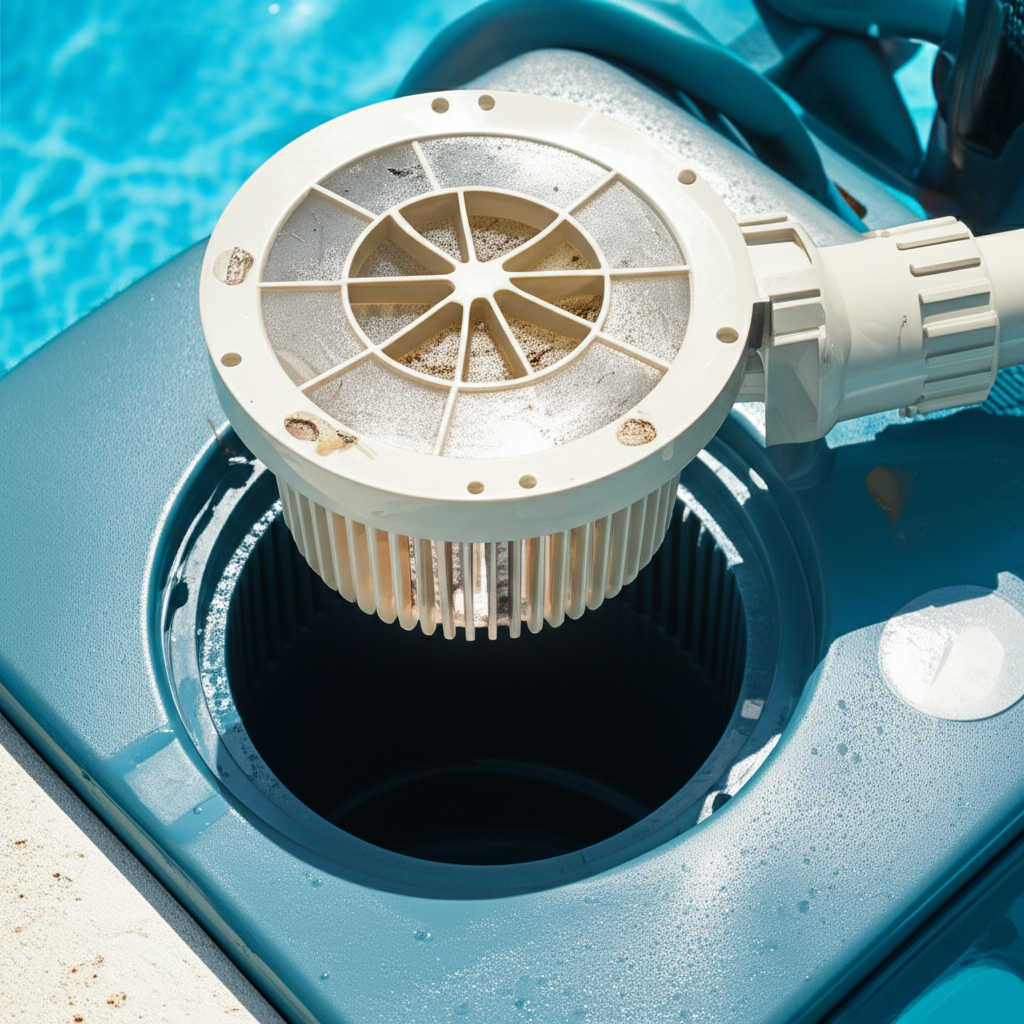
One of the most frequent and critical tasks in routine pool maintenance is pump basket cleaning. This small, often overlooked chore plays a monumental role in your pump’s efficiency and longevity. The pump basket acts as a primary catcher for larger debris – leaves, twigs, hair, and other unwelcome guests – preventing them from reaching and potentially damaging the pump’s impeller.
Here’s a simple step-by-step guide for effective pump basket cleaning:
1. Turn Off the Power: ALWAYS start by switching off the circuit breaker that supplies power to your pool pump. Safety first!
2. Relieve Pressure: Depending on your system, you might need to open an air relief valve on your filter to release any built-up pressure.
3. Remove the Lid: Unscrew or unlatch the clear lid on top of your pump’s prime pot. Be gentle, as some lids can be stiff.
4. Extract the Basket: Carefully lift the basket out.
5. Empty and Rinse: Dump out all debris into a trash can. Use a garden hose to thoroughly rinse the basket, ensuring all small pieces of debris are removed.
6. Inspect: While the basket is out, check the basket itself for cracks or damage. Also, inspect the pump’s O-ring inside the lid for cracks or dryness. If it’s dry, apply a silicone-based lubricant designed for pools.
7. Replace: Place the clean basket back into the pump housing, ensuring it sits correctly.
8. Re-secure the Lid: Replace the lid, tightening it firmly by hand to create an airtight seal. Do not overtighten with tools, as this can damage the O-ring or lid.
9. Prime the Pump: If your pump lost its prime (the water level inside dropped), you may need to fill the basket housing with water using a garden hose before turning it back on. This helps the pump draw water efficiently.
10. Restore Power: Turn the circuit breaker back on and observe the pump as it restarts to ensure proper operation and that water is flowing smoothly.
Performing this task every few days, or daily during peak debris seasons, will dramatically improve your pump’s performance and significantly reduce strain on the motor.
Mastering Regular Pool Pump Care: Monthly & Quarterly Checks
Beyond routine basket cleaning, there are a few other quick checks you should integrate into your monthly or quarterly pool maintenance schedule:
Inspect O-Rings and Gaskets: The O-ring on your pump lid and impeller housing (if accessible) are crucial for an airtight seal. Check them for cracks, nicks, or dryness every few months. Lubricate them with a pool-specific silicone lubricant or replace them if they show signs of wear. A faulty O-ring can lead to air leaks, causing your pump to lose prime or work harder.
Check Unions and Connections: Visually inspect all PVC unions and threaded connections around the pump for any signs of leaks. Even small drips can indicate a larger issue or signal that a seal is failing. Tighten any loose connections.
Listen to Your Pump Motor: Get to know the normal sound of your pump. Any grinding, squealing, or unusually loud noises could indicate worn bearings, an obstructed impeller, or another issue. Addressing these early can prevent a more costly repair.
Ensure Proper Ventilation: The pump motor generates heat. Make sure there’s always adequate airflow around the motor to prevent overheating. Keep vegetation and stored items away from the pump area.
Inspect the Impeller (if accessible): If you notice a significant drop in water flow even after cleaning the pump basket, your impeller might be clogged. Some pump models allow for easy access to the impeller for inspection and cleaning. This usually requires turning off power, shutting off valves, and disassembling part of the wet end. If you’re unsure, consult your pump manual or a pool professional.
Annual Insights and Professional Assistance
While DIY pool pump care is largely manageable, some tasks are best left to professionals or require special tools and expertise. Annually, consider scheduling a comprehensive inspection with a certified pool technician. They can:
Inspect and lubricate internal components: This includes shaft seals, bearings, and the mechanical seal, which prevent water from reaching the motor.
Test electrical connections: Ensure all wiring is secure and safe.
Check for proper grounding and bonding: Critical safety measures.
Assess overall system efficiency: They can recommend ways to optimize your pump’s run time or even suggest more energy-efficient replacements if your current pump is outdated.
During winterization or spring startup (depending on your climate), the pump will also require specific care, such as draining for winter or re-priming and checking seals for spring.
The Payoff: Longevity, Efficiency, and Sparkling Water
Consistent attention to your pool pump isn’t just about avoiding problems; it’s about ensuring an optimal swimming experience. Regular pump basket cleaning and adherence to other routine maintenance steps will result in:
Extended equipment life: Proactive care significantly delays the need for expensive replacements.
Lower energy consumption: An efficiently running pump doesn’t have to work as hard, reducing electricity costs.
Superior water quality: A strong circulation system and effective filtration lead to clearer, healthier pool water.
* Fewer unexpected breakdowns: Catching minor issues early prevents them from escalating into major repair headaches.
Embrace these easy pool pump care practices and enjoy the peace of mind that comes with a well-maintained, high-performing pool system, leaving you more time to simply enjoy your sparkling oasis.