Liner Floating: Stunning Fix for Ground Water Threat
July 21, 2026
Pool Plaster Delamination: Stop Costly Damage
July 24, 2026
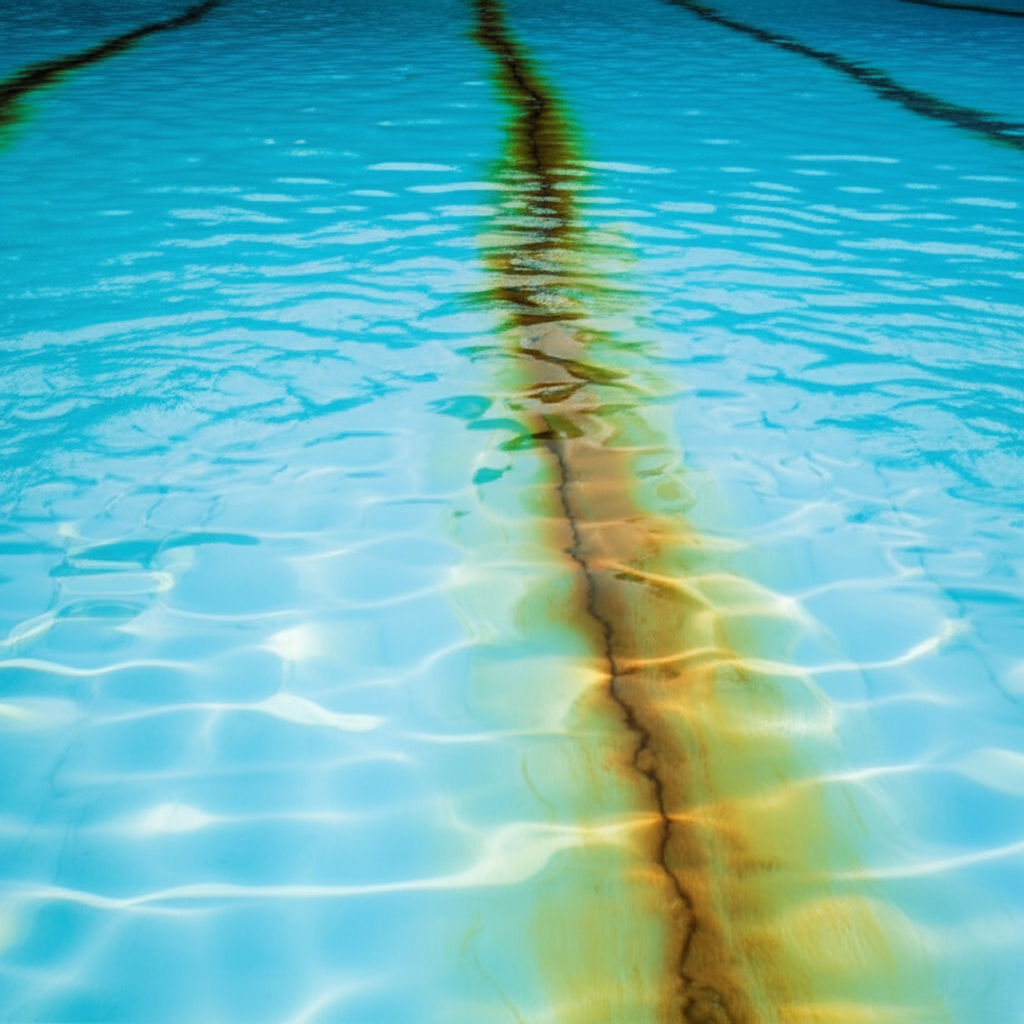
- Banishing Pool Stains: Your Ultimate Guide to Eradicating Unsightly Discolorations
- Understanding the Enemy: What Are Pool Stains?
- Identifying and Tackling Organic Pool Stains
- Conquering Metal Stains in Your Pool
- Proactive Measures: Preventing Future Pool Stains
- When to Call a Professional
Banishing Pool Stains: Your Ultimate Guide to Eradicating Unsightly Discolorations
Pool stains can be a disheartening sight for any pool owner, turning a shimmering oasis into a blotchy eyesore. These stubborn discolorations not only detract from your pool’s aesthetic appeal but can also indicate underlying water chemistry or maintenance issues. Understanding what causes these unsightly marks – primarily distinguishing between organic and metal stains – is the first crucial step towards effective eradication and prevention. With the right knowledge and tools, you can restore your pool to its pristine glory and keep it sparkling clean all season long.
Understanding the Enemy: What Are Pool Stains?
Before you can tackle a stain, you need to identify its type. Pool stains broadly fall into two categories: organic and metal. Each type has distinct characteristics, causes, and requires different treatment methods. Misdiagnosing a stain can lead to wasted effort, ineffective treatments, and even exacerbate the problem. By learning to differentiate between them, you can apply the most appropriate solution from the outset.
Identifying and Tackling Organic Pool Stains
Organic stains are among the most common types found in swimming pools. These usually appear as brown, green, blackish, or reddish blotches and are typically caused by natural debris contaminating your pool water.
What Causes Organic Stains?
Leaves and Berries: Decaying plant matter, especially leaves or berries left on the pool surface or bottom, can leach tannins and other pigments into the plaster, liner, or fiberglass.
Algae: While usually appearing as a cloudiness, severe or neglected algae growth can leave behind dark, sticky stains on surfaces.
Dirt and Mud: After heavy rains, runoff can bring dirt into the pool, embedding particles into porous surfaces.
Suntan Lotion and Oils: Though less common for distinct stains, these can contribute to a film that attracts dirt and discolors surfaces over time.
How to Identify Organic Stains:
A simple trick to confirm an organic stain is the “chlorine puck test.” Place a small, unwrapped chlorine tablet directly on the stained area for a few minutes (no more than 3-5 to avoid bleaching). If the stain lightens or disappears, you’re dealing with an organic discoloration.
Eradicating Organic Stains:
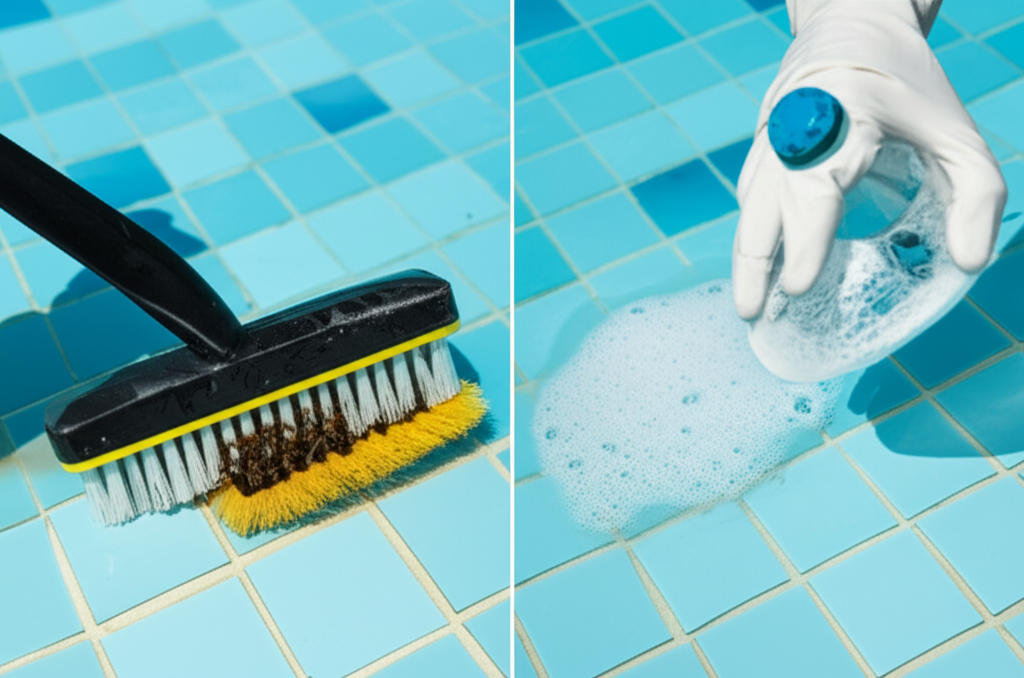
1. Brush and Vacuum: For fresh or mild organic stains, start by thoroughly brushing the area and vacuuming your pool.
2. Shock Treatment: Superchlorination (shocking your pool) is often effective. Raise your chlorine levels significantly (e.g., to 10-20 ppm). The high chlorine concentration will break down the organic matter.
3. Spot Treatment (Chlorine): For stubborn stains, carefully apply a concentrated calcium hypochlorite solution or granular chlorine directly to the stain. Always pre-dissolve granular chlorine in water before adding it to avoid damaging surfaces, especially vinyl liners.
4. Enzyme Cleaners: Pool enzyme products can effectively break down organic contaminants like oils, lotions, and decaying plant matter, preventing future stains and helping remove existing ones.
5. Specialty Stain Removers: If chlorine doesn’t work, specific organic stain removers are available that target tannins and other plant-based pigments. Follow product instructions carefully.
Conquering Metal Stains in Your Pool
Metal stains are often more challenging to remove than organic ones and can present in various colors depending on the metal causing them. They typically appear as rust-colored, blue-green, black, or even purple splotches. Unlike organic stains, metal stains do not respond to chlorine and may even worsen with it.
What Causes Metal Stains?
Iron: The most common metal stain, resulting in reddish-brown or rust-colored spots. Sources include corroding metal equipment (ladders, heaters), rebar expansion, or well water with high iron content.
Copper: Causes blue-green or teal stains. Common culprits include copper-based algaecides, corroding copper plumbing in heaters, or low pH water causing copper to leach from heat exchangers.
Manganese: Less common, but can produce black or purplish stains. Often found in well water.
Low pH/Alkalinity: When water chemistry is off, particularly with low pH, the pool water becomes corrosive, leaching metals from equipment or pipes into the water.
How to Identify Metal Stains:
The chlorine puck test won’t work for metal stains. Instead, try the “ascorbic acid test.” Ascorbic acid (Vitamin C) is a chelating agent that binds to metal ions. Crush a Vitamin C tablet and sprinkle it onto the stained area. If the stain lightens or disappears within minutes, you have a metal stain.
Eradicating Metal Stains:
1. Adjust Water Chemistry: Ensure your pH is balanced (7.4-7.6) and total alkalinity is within range (80-120 ppm). This minimizes corrosion.
2. Ascorbic Acid Treatment: For confirmed metal stains, ascorbic acid-based stain removers are highly effective. Follow the product’s directions, which usually involve lowering chlorine levels, adding the product, and then raising levels gradually.
3. Chelating/Sequestering Agents: These products bind to metal ions in the water, preventing them from oxidizing and re-staining surfaces. They don’t remove existing stains but can prevent new ones and suspend removed metals until they’re filtered out.
4. Filter and Backwash: After using a metal stain remover or sequestering agent, run your filter continuously for 24-48 hours and backwash frequently to remove the now-soluble metal particles from the water.
5. Professional Help: For very severe or persistent metal stains, especially those linked to corroding rebar or well water, a pool professional may be needed for specialized treatments or to diagnose structural issues.
Proactive Measures: Preventing Future Pool Stains
Prevention is always easier than remediation. By maintaining good water chemistry and sticking to a regular cleaning schedule, you can significantly reduce the likelihood of future pool stains.
Regular Cleaning: Skim leaves and debris off the surface daily. Vacuum your pool at least once a week, or more often if trees are nearby. Brush walls and floors to prevent grime buildup.
Maintain Water Chemistry: Consistently test and balance your pH, alkalinity, calcium hardness, and chlorine levels. Balanced water is less likely to cause corrosion or allow organic matter to thrive.
Use a Pool Cover: A good pool cover can prevent debris from entering the pool and reduce UV exposure, which can degrade some materials and accelerate staining.
Inspect Equipment: Regularly check ladders, railings, and heater elements for signs of corrosion. Address any issues promptly.
Be Mindful of Water Source: If you use well water, consider having it tested for metal content. You may need a pre-filter or to regularly use a sequestering agent when adding new water.
Algaecide Use: If using algaecides, opt for non-copper-based varieties unless specifically advised otherwise.
When to Call a Professional
While many pool stains can be tackled by DIY methods, there are times when professional help is invaluable. If you’ve tried all the recommended treatments without success, if the stains are severe, widespread, or return quickly after treatment, or if you suspect a deeper structural issue (like corroding rebar within the pool shell), it’s wise to consult a pool professional. They have access to stronger chemicals, specialized equipment, and the expertise to diagnose and resolve complex staining problems safely and effectively.
Eradicating pool stains can be a rewarding process, transforming your pool from dingy to dazzling. By understanding the nature of the stains and applying the correct treatments, you can enjoy a crystal-clear, inviting swimming environment all season long.