Leaking Pump: Quick & Easy Seal Replacement
July 15, 2026Air Leak in Suction Line: Stop Costly Pool Pump Damage
July 18, 2026
- Unleash Your Pool's Power: A Guide to Stronger Jets and Superior Circulation
- Why Are Your Jets Weak? Diagnosing the Circulation Problem
- The Repercussions of Poor Pool Circulation
- Effortlessly Boosting Your Pool's Circulation: Practical Solutions for Weak Jets
- A Proactive Approach to Pool Health
Unleash Your Pool’s Power: A Guide to Stronger Jets and Superior Circulation
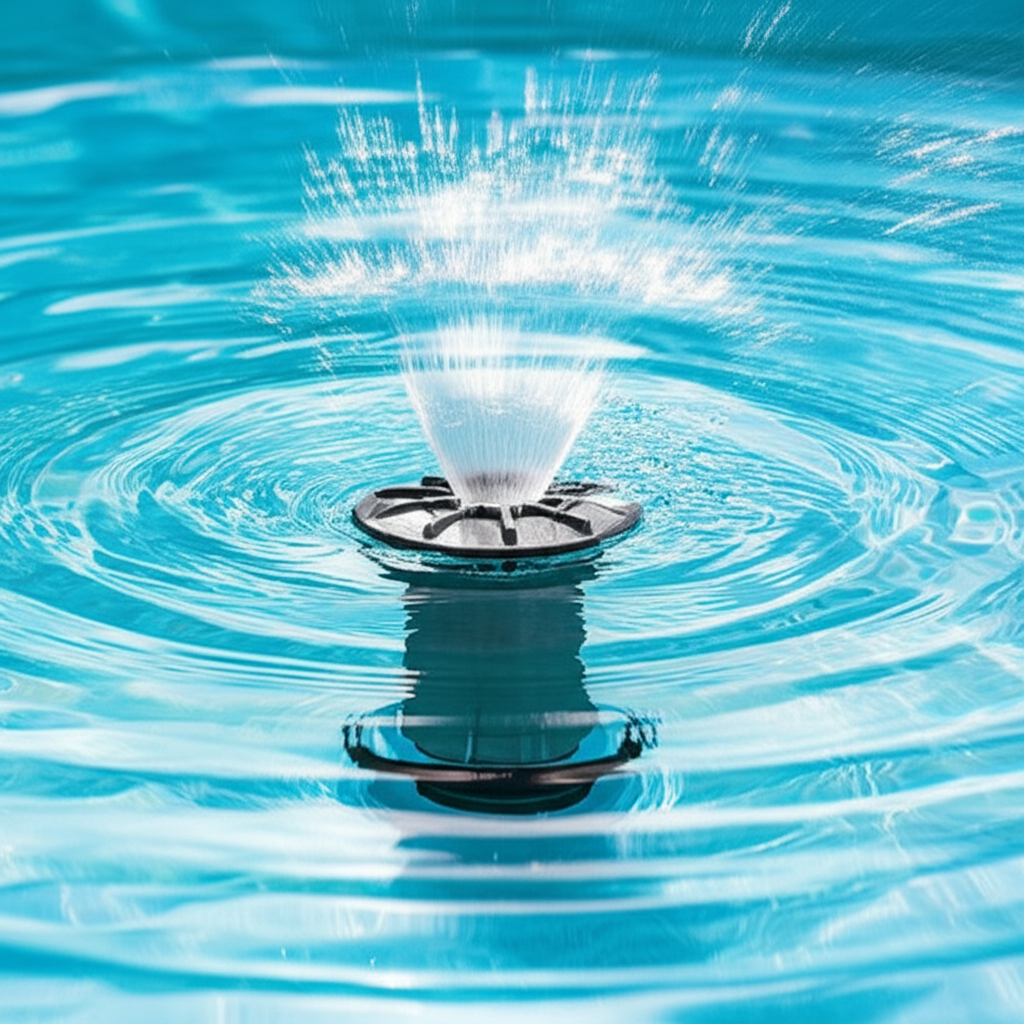
Weak jets can be one of the most frustrating issues a pool owner faces. You expect a refreshing, clean swim, but instead, you’re greeted with barely-there streams of water struggling to move leaves and debris, or worse, cloudy water and the faint green tinge of algae. This isn’t just an aesthetic nuisance; weak jets are a clear indicator of underlying circulation problems in your pool system, which can lead to a cascade of costly and time-consuming issues if not addressed promptly.
Good pool circulation is the lifeblood of a healthy, sparkling pool. It ensures chemicals are evenly distributed, prevents stagnant areas where algae thrives, and allows your filtration system to effectively remove dirt and debris. When your jets are weak, your entire pool system is inefficient, working harder and costing you more in chemicals, electricity, and frustration.
Why Are Your Jets Weak? Diagnosing the Circulation Problem
Before you can boost your pool’s circulation, it’s crucial to understand why your jets might be underperforming. Several culprits, ranging from simple fixes to more complex system issues, can be at play:
Clogged Baskets: This is often the simplest and most common issue. Your skimmer basket (located in the skimmer box at water level) and pump basket (located at the front of your pool pump) act as primary filters for large debris. If they’re full of leaves, hair, and other detritus, water flow to the pump will be severely restricted.
Dirty or Clogged Filter: Your pool filter (cartridge, DE, or sand) is designed to trap microscopic particles. Over time, it accumulates dirt, making it harder for water to pass through. A dirty filter increases pressure in the system, reducing flow to the jets.
Low Water Level: If your pool’s water level is too low, the skimmer opening might be sucking in air instead of just water. Air in the system can lead to reduced pump efficiency and weaker jet pressure.
Air Leaks in the Suction Line: Any crack or loose fitting in the pipes before the pump (the suction side) can allow air to be drawn into the system. This “false air” reduces the pump’s ability to pull water efficiently, leading to diminished jet performance. You might see a stream of bubbles coming from your return jets.
Valve Misalignment: If your pool has multiple skimmers, main drains, or return lines, their respective valves control the flow of water. If a valve is partially closed or misdirected, it can starve the jets of adequate pressure.
Pump Impeller Clog: The pump’s impeller is the rotating component that creates the suction and pushes water through the system. If it’s clogged with hair, lint, or small debris that bypassed the pump basket, it won’t be able to move water effectively.
Undersized or Failing Pump: In some cases, your pool pump might simply be too small for the volume of your pool or the resistance of your plumbing. Alternatively, an aging pump motor or capacitor could be failing, reducing its power.
The Repercussions of Poor Pool Circulation
Ignoring weak jets and the resulting circulation problems can have significant negative impacts on your pool’s health and your enjoyment:
Algae Blooms: Stagnant areas become breeding grounds for algae, turning your pool green or cloudy.
Uneven Chemical Distribution: Chemicals won’t mix properly, leading to “hot spots” of high concentration and “cold spots” where sanitizer levels are dangerously low. This renders your chemicals less effective and potentially wastes them.
Debris Accumulation: Leaves, dirt, and other debris will settle on the pool floor instead of being moved towards the skimmer and main drain to be filtered out.
Increased Workload: Your cleaner might struggle to do its job, and you’ll spend more time brushing and vacuuming manually.
Inefficient Heating: If you heat your pool, poor circulation means uneven temperature distribution and longer heating times, costing you more in energy.
Effortlessly Boosting Your Pool’s Circulation: Practical Solutions for Weak Jets
The good news is that many solutions for weak jets are straightforward and can be tackled by homeowners.
1. Clear the Baskets:
Skimmer Basket: Simply remove the skimmer lid and empty the basket. Do this daily or every couple of days, especially during heavy use or windy conditions.
Pump Basket: Turn off your pool pump before opening the lid. Remove and empty the basket, rinsing it thoroughly. Inspect the inside of the pump housing for any large debris blocking the entry to the impeller.
2. Clean Your Filter:
Cartridge Filters: Remove the cartridges and hose them down thoroughly with a strong nozzle. Consider a specialty filter cleaner soak periodically.
Sand Filters: Perform a backwash sequence until the waste water runs clear.
DE Filters: Backwash and recharge with new DE powder as per manufacturer instructions.
3. Check and Adjust Water Level: Maintain your pool’s water level at the halfway point of your skimmer opening. This ensures the skimmer is pulling in water, not air.
4. Listen and Look for Air Leaks:
With the pump running, listen for a sucking sound near the pump or pipes on the suction side.
Look for streams of tiny bubbles coming from your return jets.
Tighten fittings, check O-rings on the pump lid, and inspect pipes for visible cracks.
A simple trick: pour water over suspected leak points; if the bubbles stop, you’ve found your leak.
5. Optimize Valve Settings: Ensure all return line valves are fully open. If you have multiple skimmers or a main drain, experiment with the valve settings to find the optimal balance that maximizes flow to your pump and jets. Often, favoring the main drain slightly can help.
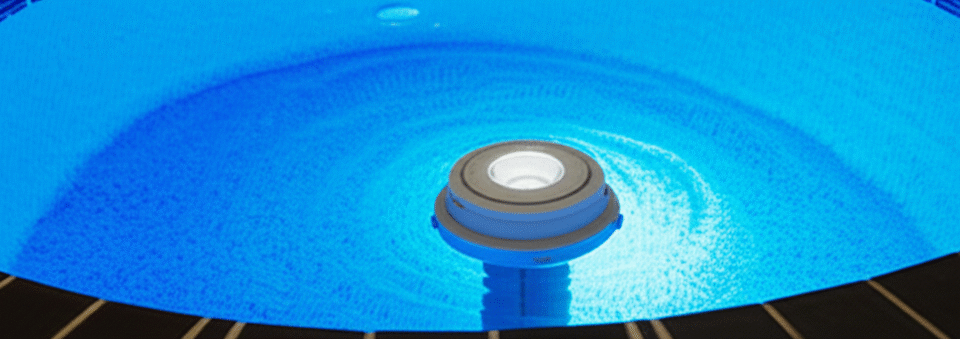
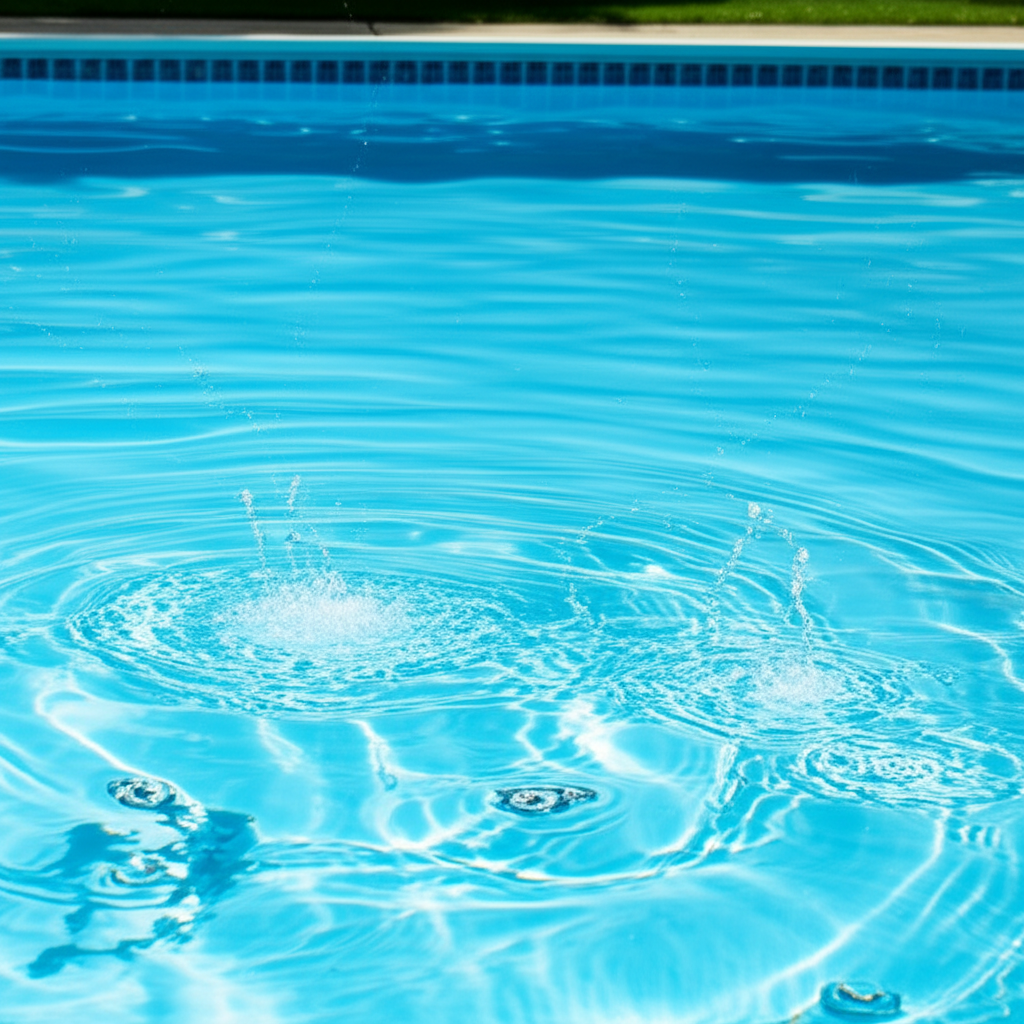
6. Adjust Your Return Jets: This is a surprisingly effective and simple way to maximize water movement. Orient the “eyeball” fittings of your return jets downwards and slightly to one side (e.g., clockwise). This creates a swirling motion that pushes water along the bottom and sides of the pool, preventing dead spots and directing debris towards the main drain and skimmers.
7. Inspect the Pump Impeller: If you suspect a clog beyond the basket, you may need to open the pump’s wet end (with the pump off and power disconnected!) to inspect and clear the impeller. This might require a screwdriver or wrench and some careful maneuvering to remove any caught debris. If you’re unsure, consult a professional.
8. Consider Pump Sizing or Repair: If all else fails, your pump might be undersized for your pool’s volume or plumbing, or it could be nearing the end of its lifespan. A pool professional can assess your system and recommend an appropriate replacement, possibly even a more energy-efficient variable-speed pump.
A Proactive Approach to Pool Health
Regular maintenance is your best defense against weak jets and circulation problems. Make it a habit to:
Empty skimmer and pump baskets frequently.
Monitor your filter pressure and clean/backwash as needed.
Maintain the correct water level.
* Perform periodic visual inspections of your equipment and plumbing for leaks.
By understanding the causes and implementing these practical solutions, you can effortlessly boost your pool’s circulation, ensuring crystal-clear water, efficient chemical use, and a truly inviting swimming experience all season long. Don’t let weak jets diminish your enjoyment – empower your pool to sparkle!