Drowning Prevention: Essential Lifesaving Rules
July 3, 2026
Chemical Safety: Master Pool Hazards Safely
July 7, 2026
- The Tragic Story Behind the Act
- Key Provisions of the Virginia Graeme Baker Act
- The Virginia Graeme Baker Act and Drain Safety: Why It's Non-Negotiable
- Achieving Easy Compliance with the Virginia Graeme Baker Act
- The Broader Impact: A Safer Aquatic Environment
The Virginia Graeme Baker Act stands as a landmark piece of legislation in the realm of aquatic safety, designed to prevent the tragic suction entrapment incidents that once plagued swimming pools and spas. Since its enactment in 2007, this federal law has fundamentally reshaped the design, maintenance, and operational standards for pools and hot tubs across the United States. Its core purpose is to safeguard swimmers, particularly children, from the powerful suction forces of drain outlets, making compliance not just a legal obligation but a moral imperative — an imperative that is fortunately both crucial and easy to achieve.
The Tragic Story Behind the Act
The genesis of the Virginia Graeme Baker Act is rooted in a heartbreaking incident that underscored a critical flaw in pool design. In December 2002, 7-year-old Virginia Graeme Baker became entrapped by the powerful suction of a faulty spa drain while swimming at a private party. Despite immediate rescue efforts, she tragically succumbed to the injuries sustained from the evisceration caused by the drain’s suction. Her death, alongside dozens of other lesser-known but equally devastating incidents of suction entrapment, galvanized her mother, Nancy Baker, and ultimately led to a nationwide movement for enhanced pool and spa safety standards. The Act, named in her honor, was a direct response to ensure no other family would endure such preventable heartbreak.
Key Provisions of the Virginia Graeme Baker Act
The Act mandates several critical safety measures for all public pools and spas, as well as pools at apartment complexes, hotels, and other commercial facilities, and even some residential public pools:
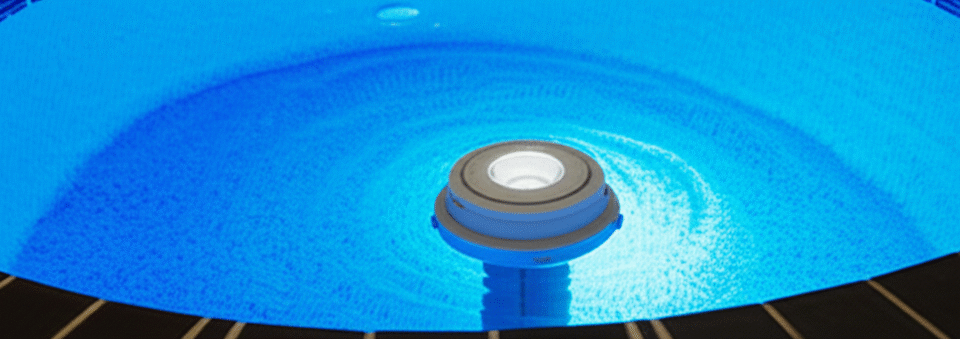
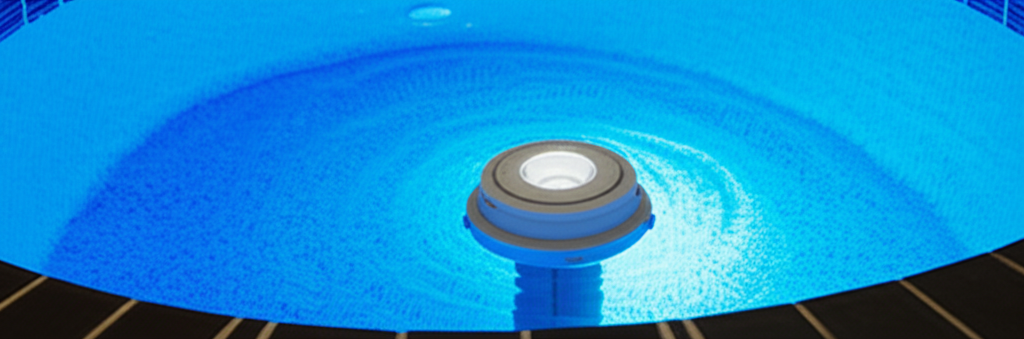
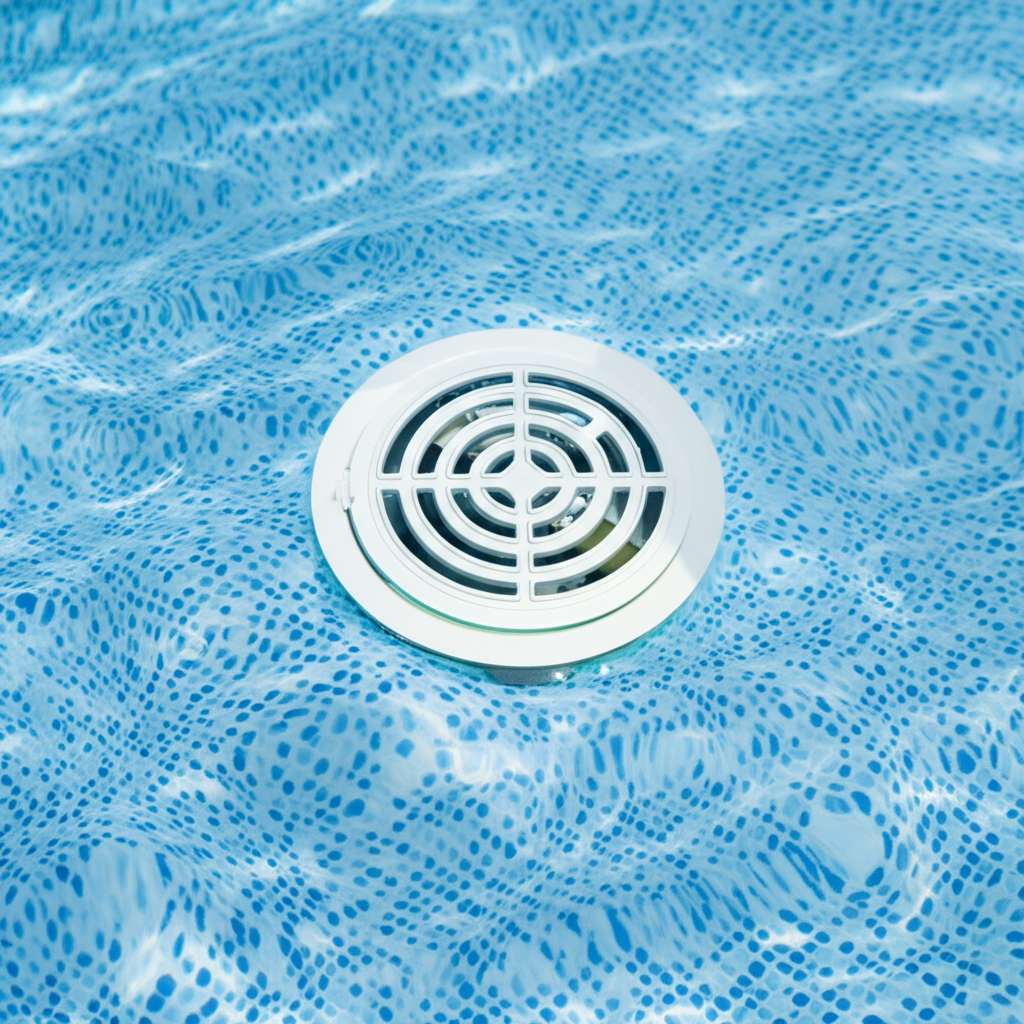
1. Anti-Entrapment Drain Covers: All pool and spa drains must be equipped with covers that meet specific safety standards set by the American National Standards Institute (ANSI)/ASME A112.19.8-2007, or any successor standard. These covers are designed to prevent body, limb, hair, or evisceration entrapment by diffusing the suction force over a larger area, making it impossible for a person to be held against the drain.
2. Secondary Safety Systems: Beyond anti-entrapment drain covers, the Act requires at least one additional safety measure for single main drain pools and spas (excluding those utilizing unblockable drains, which by definition cannot cause suction entrapment). These systems include:
Safety Vacuum Release Systems (SVRS): Devices that detect changes in vacuum pressure and automatically shut off the pump or reverse its flow when an impediment is detected.
Multiple Main Drains: Pools equipped with at least two main drains hydraulically separated to reduce the suction on any single drain.
Gravity Drainage Systems: Systems where water flows by gravity to a collection tank, from which it is then pumped through the filtration system, effectively isolating the drain from pump suction.
Automatic Pump Shut-Off Systems: Similar to SVRS, these systems detect blockage and shut off the pump.
Drain Disablement: Permanently removing or disabling the main drain altogether.
These comprehensive requirements aim to mitigate all five types of suction entrapment: hair entrapment, limb entrapment, body entrapment, evisceration entrapment, and mechanical entrapment.
The Virginia Graeme Baker Act and Drain Safety: Why It’s Non-Negotiable
At its heart, the Virginia Graeme Baker Act is a testament to the critical importance of drain safety. Before the Act, many pools operated with single main drains equipped with outdated, flat drain covers that could easily become blocked by a person’s body. This created a high-pressure vacuum capable of exerting hundreds of pounds of force, strong enough to hold an adult underwater and cause catastrophic injuries or death.
The provisions of the Act directly address this danger by ensuring that drains are either:
Physically unblockable due to their design (e.g., dome-shaped covers, grates over a wide area).
* Backed up by a secondary system that will immediately neutralize any dangerous suction.
This dual-layer approach to safety means that even if a drain cover were to become dislodged or a child were to play near a drain, the risk of serious injury or death from suction is dramatically reduced, if not eliminated. It reflects a proactive stance, mandating safety features that prevent tragedy rather than just reacting to it.
Achieving Easy Compliance with the Virginia Graeme Baker Act
For pool owners and operators, achieving compliance with the Virginia Graeme Baker Act is straightforward, especially if approached systematically:
1. Assess Your Pool/Spa: The first step is to identify the type of pool or spa you operate (public, commercial, residential public) and its existing drain setup. Are there single main drains or multiple? What kind of covers are currently installed?
2. Install Certified Drain Covers: Ensure all main drain covers meet the latest safety standards (ANSI/ASME A112.19.8-2007 or subsequent versions like ASME/ANSI A112.19.17-2010). These covers will have the certification clearly marked on them. If your existing covers are not certified or are showing signs of wear and tear, they must be replaced immediately.
3. Implement Secondary Safety Systems: For pools with single main drains, install an approved secondary safety system. The most common and effective options are an SVRS or separating the main drain into multiple, hydraulically balanced drains. Consult a qualified pool professional to determine the best solution for your system.
4. Regular Inspections and Maintenance: Compliance is not a one-time fix. Regular inspections of drain covers, ensuring they are securely fastened and free from damage, are essential. Test SVRS devices according to manufacturer guidelines. Keep detailed records of all maintenance and safety checks.
5. Educate Lifeguards and Staff: Ensure that all personnel are aware of the Act’s requirements, understand how to identify potential hazards, and know emergency procedures related to drain entrapment.
6. Consult Professionals: If in doubt, engage a certified pool professional or contractor experienced with federal and local pool regulations. They can provide expert advice, perform necessary upgrades, and certify compliance. The Consumer Product Safety Commission (CPSC) also offers valuable resources and guidance.
The Broader Impact: A Safer Aquatic Environment
The enduring legacy of the Virginia Graeme Baker Act is a testament to its effectiveness in fostering a safer aquatic environment nationwide. Prior to the Act, suction entrapment incidents were a recurring and dreaded headline. Today, thanks to the widespread implementation of its requirements, such tragedies have become exceedingly rare. The Act has not only saved lives and prevented countless injuries but has also elevated public awareness regarding pool safety, encouraging homeowners and operators alike to prioritize and continually uphold the highest safety standards. This collective commitment ensures that pools and spas remain places of recreation and relaxation, free from the shadow of preventable danger.