Pool Pole: Stunning Effortless Clean!
June 12, 2026
Pool Filter Sizing: Master the Perfect GPM Fit
June 15, 2026
- The Indispensable Vacuum Hose: Your Key to a Pristine Pool
- Choosing the Right Vacuum Hose for Optimal Cleaning
- Length and Diameter
- Material and Construction
- Cuff Type
- Using and Maintaining Your Vacuum Hose for Longevity
- Effective Vacuuming Techniques
- Storing Your Vacuum Hose
- The Essential Partner: Understanding the Backwash Hose
- What is a Backwash Hose?
- Why a Quality Backwash Hose Matters
- Choosing and Maintaining a Backwash Hose
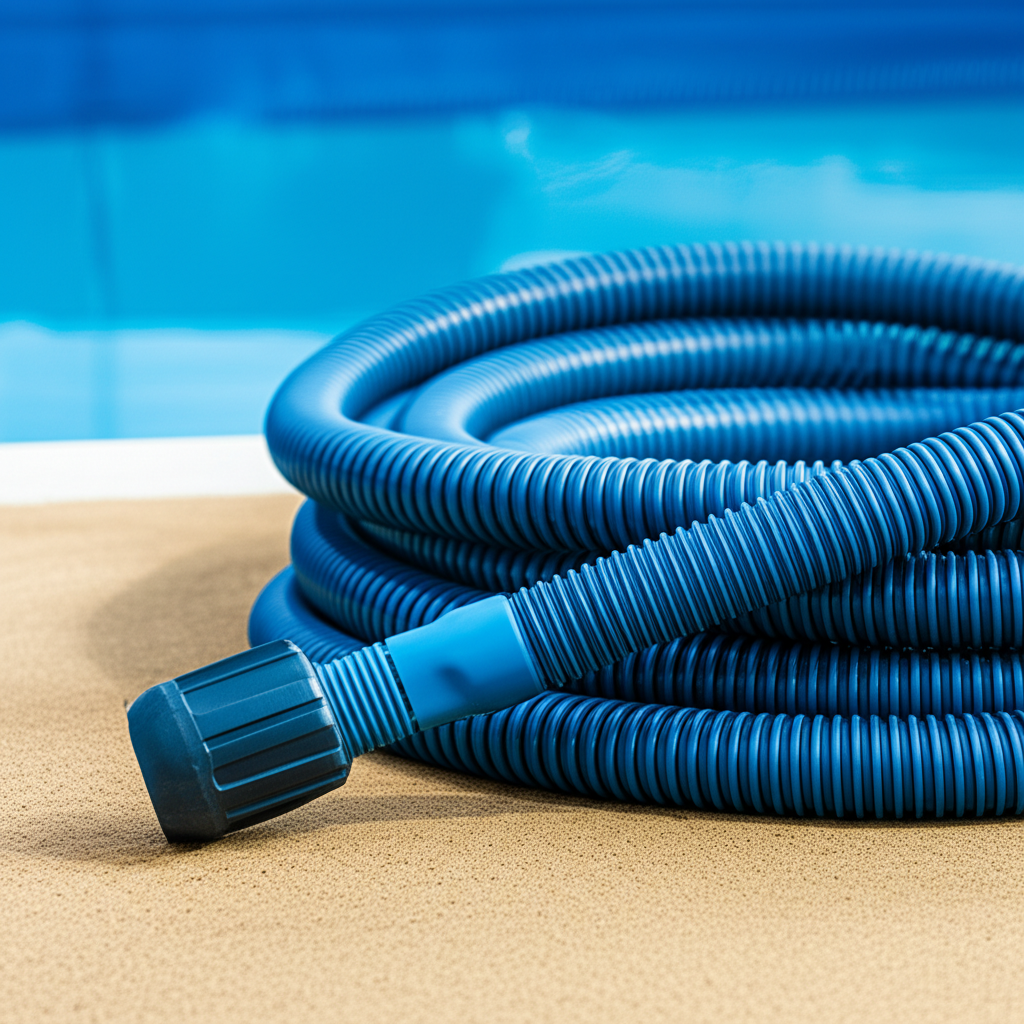
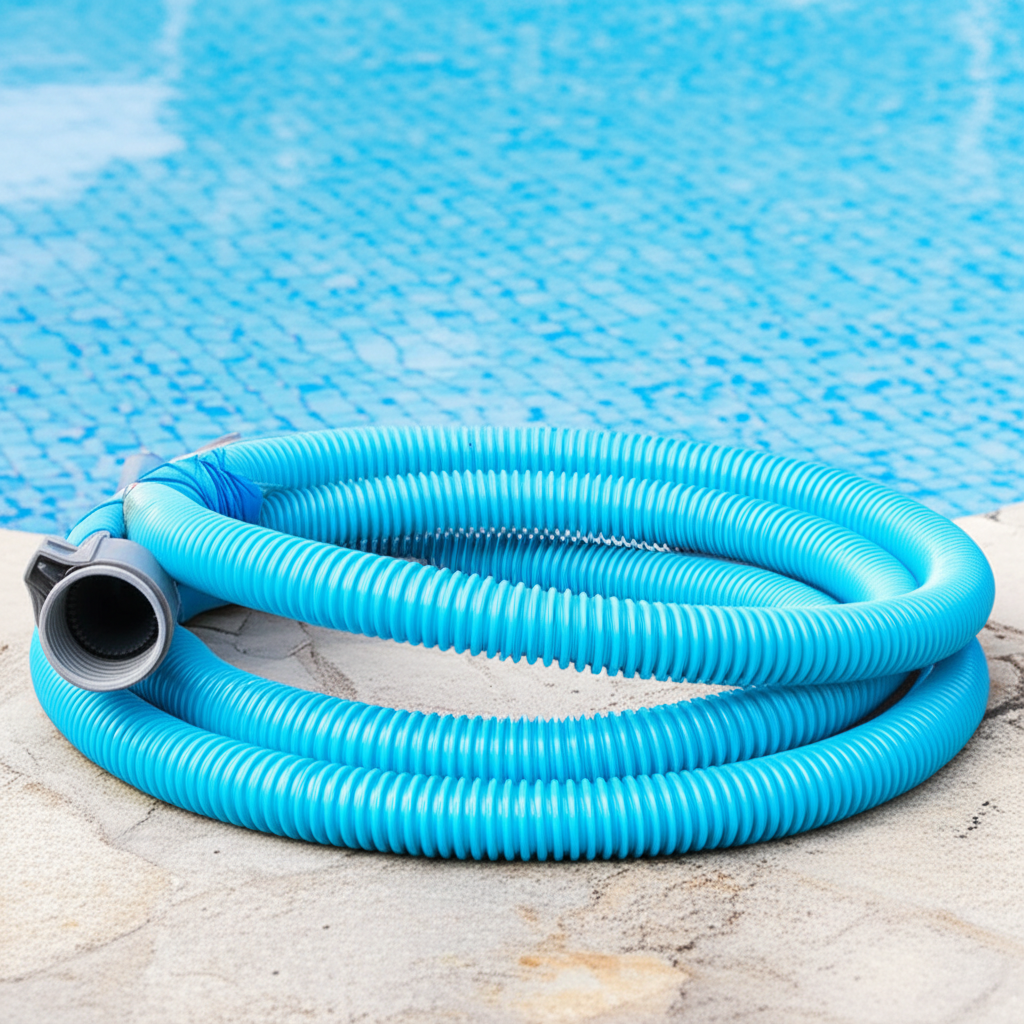
Vacuum Hose: often overlooked, yet an absolutely critical component in achieving and maintaining a sparkling clean swimming pool. While pumps, filters, and chemicals get much of the spotlight, it’s the humble vacuum hose that connects your cleaning efforts directly to your pool’s filtration system, effectively removing settled debris and dirt. Without a functional, high-quality vacuum hose, even the most powerful pump and filter combination will struggle to keep your pool floor and walls spotless. Understanding its importance, knowing how to choose the best one, and caring for it properly are essential steps for any pool owner seeking crystal-clear water.
The Indispensable Vacuum Hose: Your Key to a Pristine Pool
A clean pool isn’t just aesthetically pleasing; it’s also safer and more enjoyable. While filters work tirelessly to remove suspended particles, gravity inevitably draws larger debris like leaves, sand, and dirt to the bottom of your pool. This is where your pool vacuum and its accompanying hose become indispensable. They allow you to manually or automatically direct this settled grime into your filtration system, preventing it from recirculating and clouding your water.
Investing in a good quality vacuum hose offers several significant advantages:
Efficient Cleaning: A well-designed hose provides optimal suction, making your cleaning sessions quicker and more effective.
Durability and Longevity: High-quality materials resist UV damage, chemicals, and kinks, ensuring the hose lasts for multiple seasons.
Hassle-Free Operation: A smooth, flexible hose is easier to maneuver, reducing frustration during vacuuming.
Choosing the Right Vacuum Hose for Optimal Cleaning
Selecting the best vacuum hose isn’t a one-size-fits-all situation. Several factors need to be considered to ensure you get the perfect match for your pool and cleaning setup.
Length and Diameter
Length: The hose needs to be long enough to reach every corner of your pool, plus an extra few feet to connect comfortably to your skimmer or dedicated vacuum line. Measure from your skimmer to the furthest point in the pool and add a few feet for slack. Hoses typically come in lengths ranging from 25 to 50 feet, or even longer for commercial applications.
Diameter: The two most common diameters are 1.25 inches and 1.5 inches.
1.25-inch hoses: Often used with smaller above-ground pools or entry-level vacuum systems. They offer good flexibility but might restrict water flow slightly.
1.5-inch hoses: The standard for most in-ground pools and more robust vacuum systems. They allow for greater water flow, enhancing suction power and efficiency, especially for larger debris. Ensure your vacuum head, skimmer adapter, and pump intake ports are compatible with your chosen diameter.
Material and Construction
Modern vacuum hoses are primarily made from durable, chemical-resistant plastics like PVC or polyethylene. Look for features that indicate quality:
UV Resistance: Essential for hoses stored outdoors, preventing degradation from sun exposure.
Reinforced Construction: Some hoses feature a thicker wall or spiraled reinforcement to prevent crushing and kinking, which can severely impede suction.
Flexibility: A hose that’s too stiff will be difficult to maneuver, while one that’s too flimsy will kink easily. A good balance is key.
Cuff Type
The cuffs are the ends of the hose that connect to your vacuum head and skimmer/vacuum port.
Swivel Cuffs: These are highly recommended as they allow the hose to rotate freely, preventing tangles and kinks during vacuuming, making the process much smoother.
Non-Swivel Cuffs: Less expensive but can lead to more tangling and kinking, requiring more effort to manage.
Using and Maintaining Your Vacuum Hose for Longevity
Proper use and regular maintenance will significantly extend the life of your vacuum hose and ensure consistent cleaning performance.
Effective Vacuuming Techniques
1. Prime the Hose: Before connecting to your skimmer, submerge the hose completely in the pool, pushing out all the air. This prevents air from entering your pump, which can cause it to lose prime or become damaged.
2. Connect Securely: Attach one end to your vacuum head and the other to the skimmer adapter or dedicated vacuum line.
3. Vacuum Slowly: Move the vacuum head in slow, overlapping strokes to allow the suction to pick up all debris. Jerky movements can stir up debris, making the water cloudy.
Storing Your Vacuum Hose
Rinse After Use: Always rinse your hose with fresh water to remove chlorine, chemicals, and debris that can accumulate inside.
Avoid Kinks: Store your hose by coiling it neatly into a large circle. Never fold or bend it sharply, as this can create permanent kinks, weakening the hose and impeding water flow.
Shade and Shelter: Store the hose out of direct sunlight and harsh weather conditions to protect it from UV damage and temperature extremes. A hose reel or hanger is an excellent investment.
Inspect Regularly: Before and after use, check for any cracks, tears, or holes. Even a small pinhole can significantly reduce suction.
The Essential Partner: Understanding the Backwash Hose
While the vacuum hose is dedicated to getting debris into your filter, the backwash hose is crucial for getting accumulated debris out of your filter. This is especially true for sand and D.E. (diatomaceous earth) filters, which require regular backwashing to remain effective.
What is a Backwash Hose?
A backwash hose is a flexible, typically flat-laying hose designed to connect to your filter’s waste port. When you backwash your filter, the water flow is reversed, flushing trapped contaminants out of the filter media and into the backwash hose, which then directs it safely away from your pool area, often into a drain, sewer line (check local regulations!), or an appropriate discharge area.
Why a Quality Backwash Hose Matters
Efficient Waste Removal: A sturdy backwash hose can handle the high pressure and volume of water expelled during backwashing, ensuring effective cleaning of your filter.
Preventing Mess: It directs the dirty water away, preventing mud, algae, and filter media from spreading across your yard or patio.
Durability: Like vacuum hoses, backwash hoses need to be resistant to UV, chemicals, and physical wear. They often come in heavier-duty materials due to the pressure involved.
Choosing and Maintaining a Backwash Hose
Length: Ensure it’s long enough to reach your designated waste disposal area without stretching or kinks.
Diameter: Typically 1.5 or 2 inches, ensure it matches your filter’s waste port.
Material: Look for heavy-duty, reinforced vinyl or PVC for maximum durability.
* Storage: Roll it up neatly after use and store it in a cool, dry place to prevent rot or damage. Always ensure it’s completely dry inside before storage to prevent mildew.
In conclusion, both the vacuum hose and the backwash hose play distinctly different yet equally vital roles in maintaining a healthy, clean pool. By understanding their functions, choosing quality products, and practicing proper care, you can ensure your pool remains a sparkling oasis for years to come.