
Pool Safety Alarm: Instant, Proven Peace of Mind
June 3, 2026Pool Drain: Ultimate Safety, Affordable Upgrade
June 6, 2026
- The Inherent Challenges of Manual Chemical Dosing
- Unpacking the Automatic Chemical Doser
- The Power of Precision: The Dosing Pump and Chemical Feeder
- Effortless Flow: Seamless Integration and Operation
- Applications of the Automatic Chemical Doser Across Industries
- Selecting the Right Chemical Feeder System
- Conclusion
The Automatic Chemical Doser represents a significant leap forward in managing chemical processes across a myriad of industries. This sophisticated equipment ensures the precise and consistent introduction of chemicals into a system, transforming what was once a manual, often hazardous, and imprecise task into an automated, highly efficient, and safe operation. Far from being a mere convenience, it is a critical component for maintaining optimal conditions, ensuring product quality, preventing equipment damage, and complying with stringent environmental and safety regulations.
The Inherent Challenges of Manual Chemical Dosing
Historically, adding chemicals to any process was a labor-intensive affair. Operators would manually measure and pour liquids, relying on visual cues or basic volumetric calculations. This method, while seemingly straightforward, is fraught with challenges. Inaccuracies are common, leading to either over-dosing (wasteful, potentially harmful, and costly) or under-dosing (ineffective treatment, process failure, or poor product quality). Furthermore, exposure to hazardous chemicals during manual handling poses significant health risks to personnel. The inconsistency inherent in manual dosing also makes it difficult to achieve stable process parameters, impacting product uniformity and operational efficiency. These limitations underscore the pressing need for a more reliable and controlled solution.
Unpacking the Automatic Chemical Doser
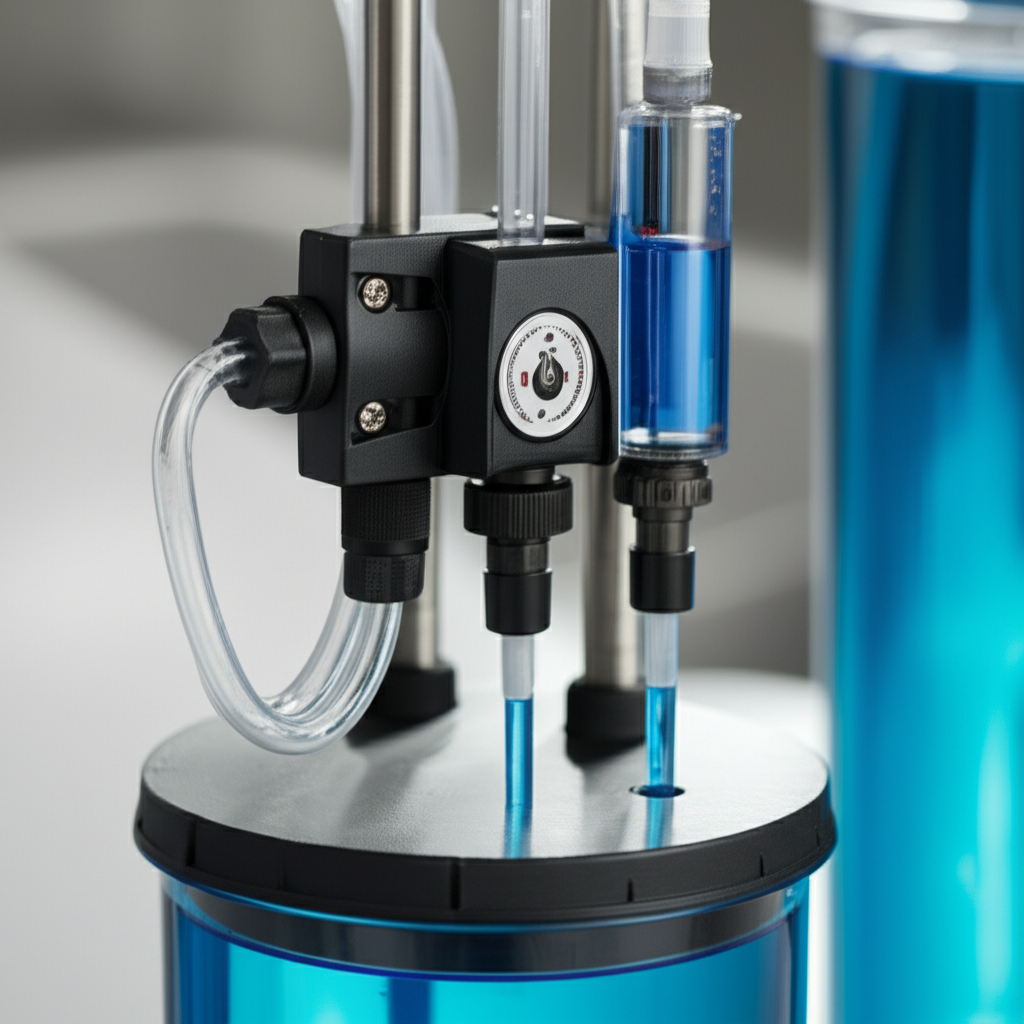
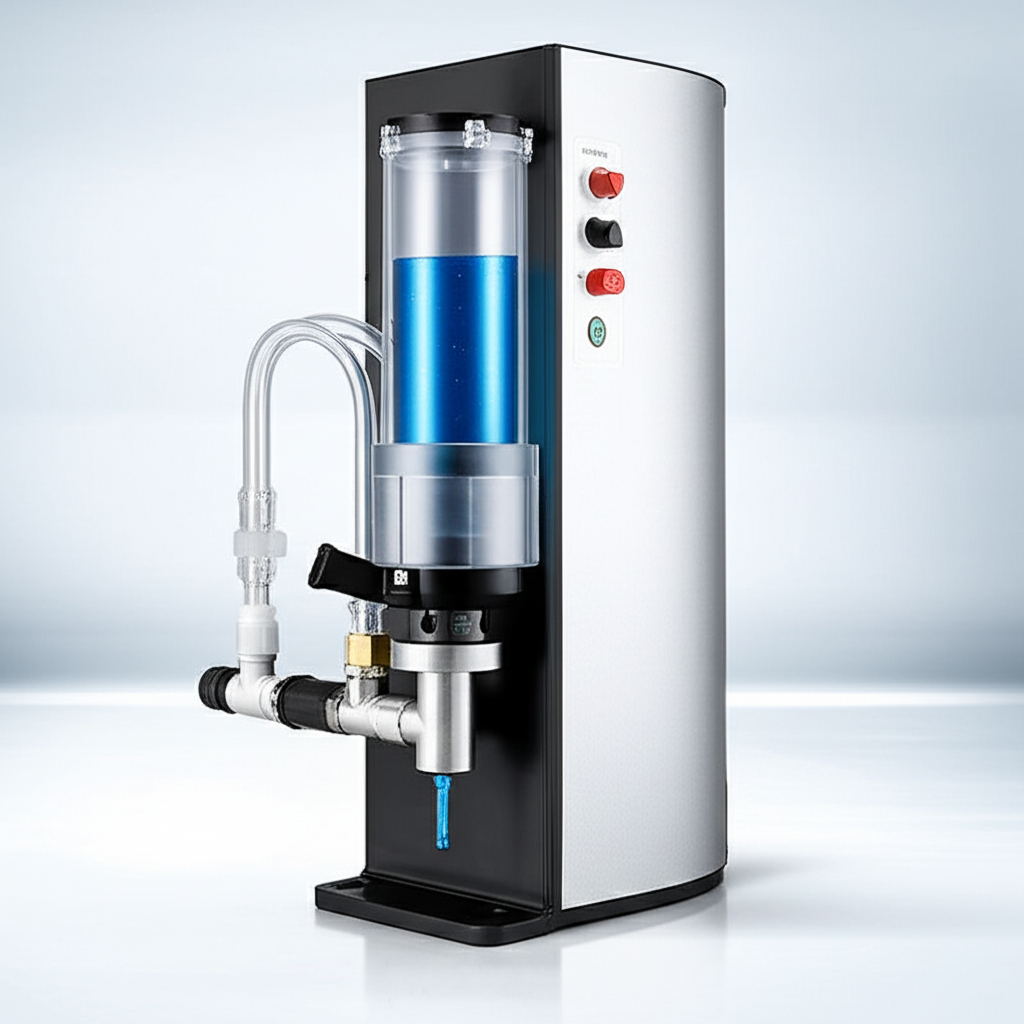
At its core, an automatic chemical doser system is designed to deliver a specific volume of liquid chemical into a process stream over a defined period. It typically comprises several key components: a chemical storage tank, a dosing pump (the heart of the system), a controller, and various sensors, tubing, and injection points. The controller acts as the brain, receiving data from sensors (like pH, ORP, conductivity, or flow meters) and instructing the dosing pump to dispense the precise amount of chemical required to maintain desired parameters. This integrated approach ensures a closed-loop system where feedback constantly informs and adjusts the dosing process.
The Power of Precision: The Dosing Pump and Chemical Feeder
Central to the effectiveness of any automatic dosing system is the dosing pump, often referred to interchangeably as a chemical feeder. Unlike standard transfer pumps, dosing pumps are engineered for accuracy and repeatability, capable of delivering very small, precise volumes of fluid. There are several types, each suited for different applications:
Diaphragm Pumps: These use a diaphragm to draw and push chemicals. They are highly versatile, can handle a wide range of chemicals, and are known for their reliability.
Peristaltic Pumps: Ideal for viscous or particulate-laden chemicals, these pumps work by compressing a flexible tube, gently pushing the fluid along. They are excellent for precise dosing and can be very gentle on sensitive chemicals.
Piston Pumps: Offering high accuracy and pressure capabilities, piston pumps are suitable for applications requiring very consistent and high-pressure injection.
Regardless of the type, the design of these pumps prioritizes consistent volumetric displacement, ensuring that each stroke or rotation delivers an exact, repeatable amount of chemical. This is fundamental to achieving the “precise” aspect of automated chemical dosing.
Effortless Flow: Seamless Integration and Operation
Beyond precision, the “effortless flow” aspect of an automatic chemical doser system speaks to its operational simplicity and automation benefits. Once installed and calibrated, these systems can operate continuously with minimal human intervention. This translates into:
Reduced Labor Costs: Operators are freed from repetitive manual tasks, allowing them to focus on more complex overseeing and problem-solving.
Enhanced Safety: Eliminating manual handling drastically reduces the risk of chemical spills, fume inhalation, and skin exposure, creating a safer working environment.
Continuous Optimization: Sensors and controllers constantly monitor process parameters, making real-time adjustments to chemical addition, ensuring that the system remains within optimal operating ranges 24/7.
Waste Reduction: Accurate dosing prevents overconsumption of expensive chemicals, leading to significant cost savings and reduced environmental impact.
Improved Consistency: Automated systems eliminate human error, ensuring consistent chemical concentrations and thus, consistent process outcomes and product quality.
Applications of the Automatic Chemical Doser Across Industries
The versatility and reliability of automatic chemical dosers make them indispensable across a wide range of sectors:
Water Treatment: Essential for municipal drinking water plants, wastewater treatment facilities, and industrial process water. They accurately add coagulants, disinfectants (like chlorine or hypochlorite), pH adjusters, and anti-scalants.
Swimming Pools & Spas: Maintaining optimal pH and sanitizer levels automatically ensures safe and pleasant swimming conditions, preventing algae growth and controlling bacteria.
Agriculture: Used for precise application of fertilizers, pesticides, and other nutrients in irrigation systems (fertigation).
Food & Beverage: Critical for sanitization, washdown systems (CIP – Clean-in-Place), and adding ingredients during food processing.
Manufacturing: From pH neutralization in industrial effluents to adding catalysts or inhibitors in chemical reactions, automatic dosers ensure precise control over manufacturing processes.
Mining: Used for froth flotation, pH adjustment, and dust suppression.
* Pharmaceuticals: For controlled addition of ingredients and precise pH management in sensitive processes.
Selecting the Right Chemical Feeder System
Choosing the appropriate chemical feeder involves several considerations. Foremost is the type of chemical to be dosed; its corrosiveness, viscosity, and temperature will dictate material compatibility for the pump head, tubing, and seals. The required flow rate and pressure are also critical, along with the desired level of accuracy and control (e.g., simple timer-based, proportional to flow, or sensor-driven feedback). Installation environment, power availability, and budget also play a role in selecting the most suitable and cost-effective automatic dosing solution.
Conclusion
The Automatic Chemical Doser stands as a testament to intelligent automation, bringing unparalleled precision and efficiency to chemical management. By leveraging advanced dosing pump technology and integrated control systems, it transforms complex and often hazardous manual operations into effortless, continuously optimized processes. From safeguarding water supplies and enhancing agricultural yields to ensuring product quality in manufacturing, these systems are not just equipment; they are fundamental enablers of safety, sustainability, and operational excellence in the modern industrial landscape.