Pool Ladders: Safe & Effortless In-Pool Entry
May 31, 2026
Pool Safety Alarm: Instant, Proven Peace of Mind
June 3, 2026
- Prioritizing Pool Safety: The Foundation of Fun
- Mastering Safe Jumps from Your Diving Board
- Choosing the Right Diving Board for Your Pool
- Beyond the Dive: Maximizing Your Pool Experience Safely
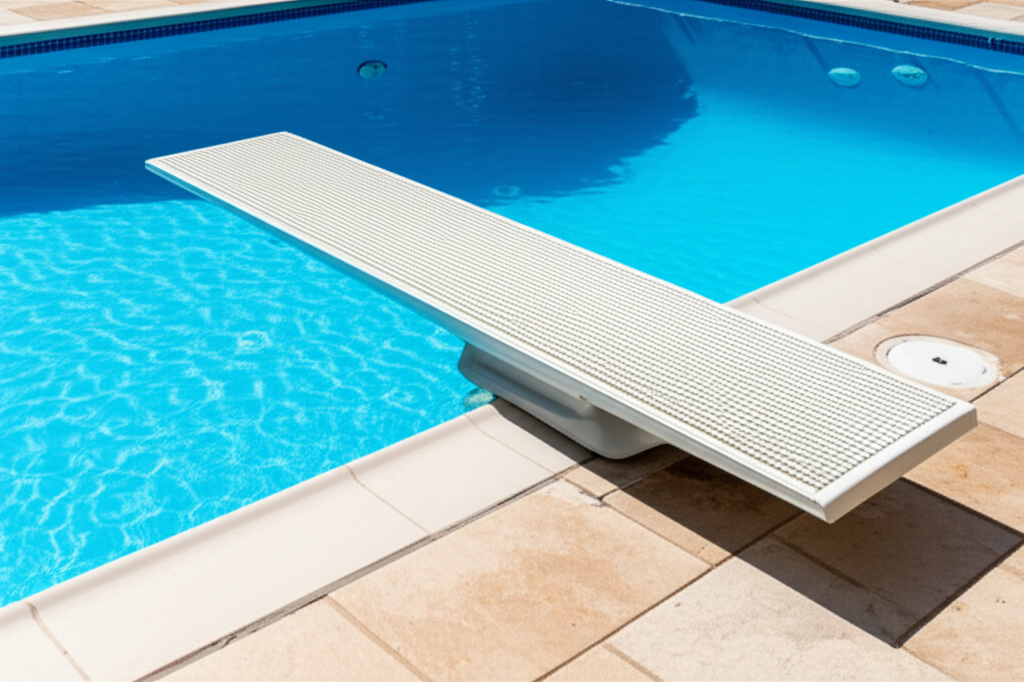
Diving Board: For many, the mere mention conjures images of exhilarating cannonballs, graceful dives, and endless summer fun. A centerpiece of many backyard pools, the diving board offers a unique blend of athleticism, playful splashing, and a refreshing escape from the heat. It transforms a simple swim into an adventure, providing a platform for memorable moments and impressive aquatic maneuvers. However, to truly unlock the joy and excitement a diving board offers, safety must always be the first and foremost consideration. Understanding how to choose, install, and use your diving board responsibly is paramount to ensuring that every jump leads to nothing but smiles and safe landings.
The allure of the diving board is undeniable. It calls to the inner child in all of us, inviting us to take a leap of faith, defying gravity for a brief, thrilling moment before slicing through the water. From the gentle bounce of a flexible board to the more rigid spring of a competition-style model, diving boards add a dynamic element to any pool experience. They encourage movement, provide a focal point for pool play, and can even inspire budding divers to hone their skills. But with great fun comes great responsibility, and ensuring a safe environment is the bedrock of all the excitement.
Prioritizing Pool Safety: The Foundation of Fun
The ultimate aim of any pool owner is to create a safe haven for recreation, and the presence of a diving board amplifies the need for stringent pool safety measures. This isn’t about stifling fun; it’s about safeguarding it. Neglecting safety can turn a joyous jump into a serious incident, making fundamental precautions non-negotiable.
First and foremost, proper installation and maintenance are critical. A diving board must be professionally installed according to the manufacturer’s specifications and local building codes. This ensures it is securely anchored, stable, and able to withstand repeated use. Regularly inspect your diving board for loose bolts, cracks, corrosion, or any signs of wear and tear, especially on the non-slip surface. Addressing these issues promptly is vital. Always adhere to the board’s specified weight limit, as exceeding it can lead to structural failure and serious injury.
Secondly, and perhaps most crucially, is understanding your pool’s depth. This is the single biggest factor in preventing head and spinal injuries from diving. There are industry standards for minimum water depth tailored to the height and length of the diving board. For most residential diving boards, a minimum depth of 8 to 9 feet is often recommended directly beneath the board, extending a significant distance outwards. Never allow diving into the shallow end of the pool or areas where the depth is unknown or insufficient. Clear depth markers should be visible, and everyone using the pool should be aware of these critical boundaries.
Mastering Safe Jumps from Your Diving Board
Beyond the physical setup, the actual act of using the diving board requires a set of rules and practices to ensure everyone’s well-being. These aren’t just suggestions; they are essential guidelines for safe operation.
Rules and Etiquette: Establish clear rules for diving board use from the outset.
One Diver at a Time: Only one person should be on or near the diving board at any given moment. This prevents collisions and ensures a clear landing zone.
Clear Landing Area: Before someone dives, ensure the area directly below and in front of the board is completely clear of other swimmers, floats, or toys.
No Running, Pushing, or Horseplay: The diving board area should be treated with respect. Running on the deck leading to the board can result in slips and falls, and any form of pushing or unsolicited horseplay can lead to dangerous, uncontrolled entries into the water.
Forward-Facing Dives Only: For recreational diving boards, only forward-facing dives or jumps should be attempted. Backward dives, flips, or complex maneuvers should only be performed by trained individuals under professional supervision in appropriate facilities.
Active Supervision: Children and inexperienced swimmers should always be actively supervised by a responsible adult when using a diving board. Even strong swimmers can get into trouble.
Teaching Safe Diving Techniques: For those attempting head-first dives, proper technique is key.
Start with Feet-First Entries: Encourage younger or novice swimmers to begin with feet-first jumps until they are comfortable and have a good understanding of the board’s spring.
Proper Hand and Arm Position: When attempting a head-first dive, hands should be together, extended above the head, with arms straight, protecting the head.
Tuck Your Chin: Teach divers to tuck their chin to their chest, further protecting the head and neck.
* Body Straightness: Emphasize maintaining a straight body line upon entry, which helps control the dive and reduce impact.
Choosing the Right Diving Board for Your Pool
When adding a diving board, selection is crucial. Consider your pool’s size and depth first; these dimensions will dictate the suitable length and type of board. Boards come in various materials, typically fiberglass or acrylic, each offering different levels of flexibility and durability. The flexibility of a board impacts the height and spring of a jump, so consider the age and skill level of potential users. Always select a reputable brand that adheres to safety standards and offers good warranties. Consulting with a pool professional can help you make the best choice, ensuring compatibility with your pool’s structure and existing safety features.
Beyond the Dive: Maximizing Your Pool Experience Safely
A diving board is an exciting addition, but it’s just one component of overall pool safety. To maximize enjoyment and minimize risks, consider the broader pool environment. Install sturdy fencing with self-latching gates to prevent unsupervised access. Have appropriate rescue equipment readily available, such as life rings or shepherd’s hooks. A well-stocked first-aid kit is essential. If young children are present, consider pool alarms that signal unexpected entry into the water. Educate everyone who uses your pool about emergency procedures and basic CPR.
In conclusion, a diving board can be an exceptional source of fun, laughter, and lasting memories in your backyard oasis. From the exhilarating launch to the refreshing splash, it offers a dynamic element that few other pool features can match. By committing to professional installation, rigorous maintenance, clear rules, and constant vigilance regarding pool depth and user practices, you can ensure that your diving board remains a symbol of pure, unadulterated enjoyment. Prioritizing safety doesn’t detract from the fun; it amplifies it, allowing everyone to leap with confidence and create happy, safe, and unforgettable aquatic adventures.