LED Pool Lights: Stunning & Effortless Upgrade
April 21, 2026
Integrated Spa: Ultimate Luxury Pool Addition
April 25, 2026
- Understanding the Allure of a Pebble Finish
- Why Choose a Pebble Finish for Your Pool?
- Exploring Types of Pebble Finish Options
- Pebble Finish vs. Traditional Pool Plaster: A Clear Choice
- Securing Your Stunning Pebble Finish Pool
Pebble Finish has emerged as the gold standard for discerning pool owners seeking a blend of breathtaking aesthetics, unparalleled durability, and minimal maintenance. Far from the mundane surfaces of yesteryear, this innovative material transforms a simple swimming pool into a bespoke aquatic masterpiece, reflecting light and color in ways traditional pool plaster simply cannot. If you’re envisioning an exclusive oasis that stands the test of time and turns heads, delving into the world of pebble options is a journey worth taking.
Understanding the Allure of a Pebble Finish
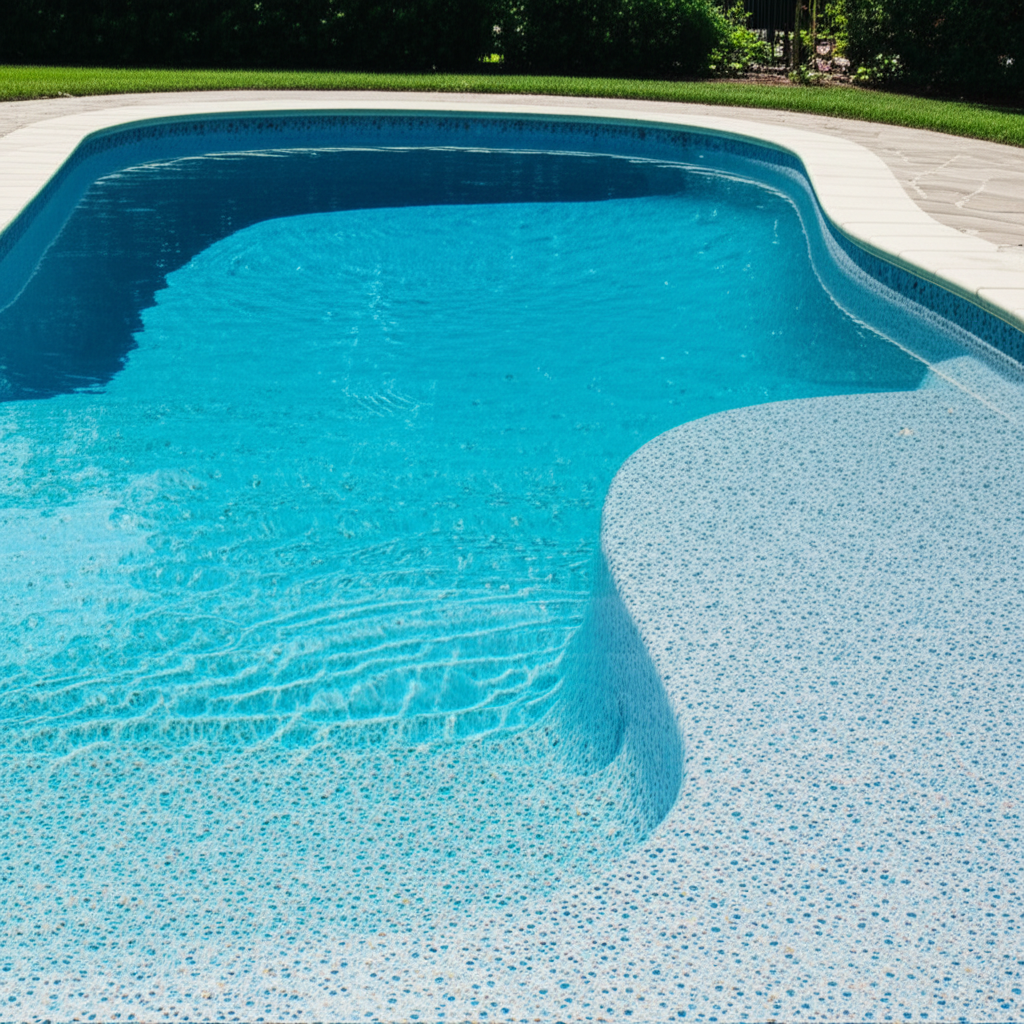
At its core, a pebble finish is a type of aggregate finish for swimming pools. Unlike conventional plaster, which is primarily a smooth cementitious mixture, a pebble finish incorporates small, smooth, polished river pebbles (or other forms of aggregate) into a cement base. This mixture is then hand-troweled onto the pool’s shell, creating a durable and textured surface. Once applied and cured, the finish is acid-washed to expose the beautiful natural pebbles, revealing a multi-dimensional surface that shimmers under the water.
The unique composition of a pebble finish offers a tactile and visual experience that sets it apart. The exposed aggregate creates a naturally slip-resistant surface, enhancing safety without compromising on comfort. Furthermore, the sheer variety of pebble types, sizes, and colors allows for an extraordinary degree of customization, enabling homeowners to create a truly unique pool environment that complements their home’s architectural style and surrounding landscape.
Why Choose a Pebble Finish for Your Pool?
The decision to opt for a pebble finish extends beyond mere aesthetics; it’s an investment in longevity, functionality, and enduring beauty. Here are some compelling reasons why this aggregate finish is becoming the preferred choice for premium pools:
Exceptional Durability and Longevity: Traditional pool plaster is known to degrade over time, succumbing to chemical imbalances, staining, and cracking within 5-10 years. Pebble finishes, on the other hand, boast superior resistance to pool chemicals, UV exposure, and etching. The natural hardness of the pebbles prevents common issues like mottling and staining, often lasting 15-20 years or even longer with proper care.
Stunning Aesthetic Appeal: The beauty of a pebble finish is unparalleled. The natural variations in pebble color, combined with the way they catch and reflect light, create a vibrant, ever-changing water hue. From deep ocean blues and greens to serene sandy beiges, the options for customizing your pool’s appearance are virtually limitless. You can even incorporate iridescent glass beads or sea shells for an added sparkle and unique texture.
Enhanced Safety and Comfort: The slightly textured surface of a pebble finish provides a natural level of slip resistance, which is a significant advantage, especially in shallow areas or steps where falls can occur. Despite the texture, modern pebble finishes are surprisingly smooth to the touch, providing a comfortable surface for swimming and lounging.
Resistance to Stains and Algae: The dense, non-porous nature of the exposed pebbles makes the surface less susceptible to staining from common pool contaminants like suntan lotion, oils, or leaves. Furthermore, the less porous surface offers fewer hiding places for algae to take root and grow, making maintenance easier and keeping your pool looking cleaner for longer.
Low Maintenance Requirements: While no pool finish is entirely maintenance-free, pebble finishes are remarkably forgiving. Their inherent resistance to chemical degradation and staining means less frequent acid washing or aggressive cleaning compared to traditional plaster. Regular brushing and balanced water chemistry are typically sufficient to keep them pristine.
Exploring Types of Pebble Finish Options
The versatility of the Pebble Finish is one of its most attractive attributes. Pool owners can select from a wide spectrum of options to achieve their desired look and feel:
Mini Pebble Finishes: These popular options use very small, finely graded pebbles, resulting in a smoother texture that is still uniquely durable. They offer a refined aesthetic, often mimicking the look of a gently textured riverbed.
Standard Pebble Finishes: Using slightly larger and more varied pebbles, these finishes provide a more pronounced texture and a distinctly natural, earthy appearance.
Specialty Blends and Additives: Beyond the basic pebble sizes, many manufacturers offer custom blends that incorporate colored glass beads, polished quartz, or even abalone shells. These additives enhance the visual depth and sparkle of the water, creating truly luxurious and exclusive effects. For example, a dark pebble blend can mimic the look of deep volcanic lakes, while lighter sands and grays can evoke a Caribbean lagoon.
* Exposed Aggregate Finishes: While often used interchangeably, “exposed aggregate” refers to the broader category where various aggregates (pebbles, quartz, glass) are exposed on the surface. Pebble finishes are a specific, very popular type of exposed aggregate.
Pebble Finish vs. Traditional Pool Plaster: A Clear Choice
When renovating an existing pool or designing a new one, the choice between pebble finish and traditional pool plaster is often a key consideration. While plaster offers a lower initial cost, its shorter lifespan and susceptibility to wear often lead to higher long-term expenses in repairs and resurfacing.
| Feature | Pebble Finish | Traditional Pool Plaster |
| :—————— | :—————————————— | :————————————————— |
| Durability | Excellent; 15-20+ years | Fair; 5-10 years |
| Appearance | Natural, textured, customizable, dynamic | Smooth, uniform, can show wear quickly |
| Maintenance | Low; less prone to staining/algae | Moderate to High; prone to staining, etching, algae |
| Comfort/Safety | Textured, slip-resistant, comfortable feel | Smooth, can be slippery |
| Cost | Higher initial investment, lower long-term | Lower initial investment, higher long-term |
| Algae Resistance| High | Low to Moderate |
For those prioritizing enduring beauty, superior performance, and reduced long-term worries, the aggregate finish of a pebble surface is undeniably the more advantageous selection.
Securing Your Stunning Pebble Finish Pool
Investing in a pebble finish requires skilled application by experienced professionals. The process involves meticulous preparation of the pool shell, precise mixing of the aggregates and cement, and expert hand-troweling to achieve a consistent and beautiful surface.
Once installed, maintaining your pool’s pebble finish is straightforward. Regular brushing, maintaining balanced water chemistry (especially pH and alkalinity), and proactive cleaning will ensure its longevity and continued splendor. Avoid harsh abrasive cleaners, as they can damage the surface.
In conclusion, a pebble finish is more than just a pool surface; it’s a statement. It transforms an ordinary swimming pool into a stunning, exclusive aquatic retreat that reflects nature’s beauty and offers unparalleled durability and ease of care. For homeowners seeking to invest in a truly exceptional pool experience, the allure of a pebble finish is simply irresistible.