
Find Pool Contractor: Essential Tips for the Best Build
April 15, 2026
Tanning Ledge: Perfect, Exclusive Sun Shelf
April 18, 2026
- The Allure of Pavers for Your Pool Deck
- Concrete Deck: Strength, Versatility, and Endurance
- Comparing Pavers vs. Concrete for Your Pool Deck
- Making the Right Choice for Your Outdoor Oasis
Pool Deck: Crafting the Perfect Oasis with Pavers or Concrete
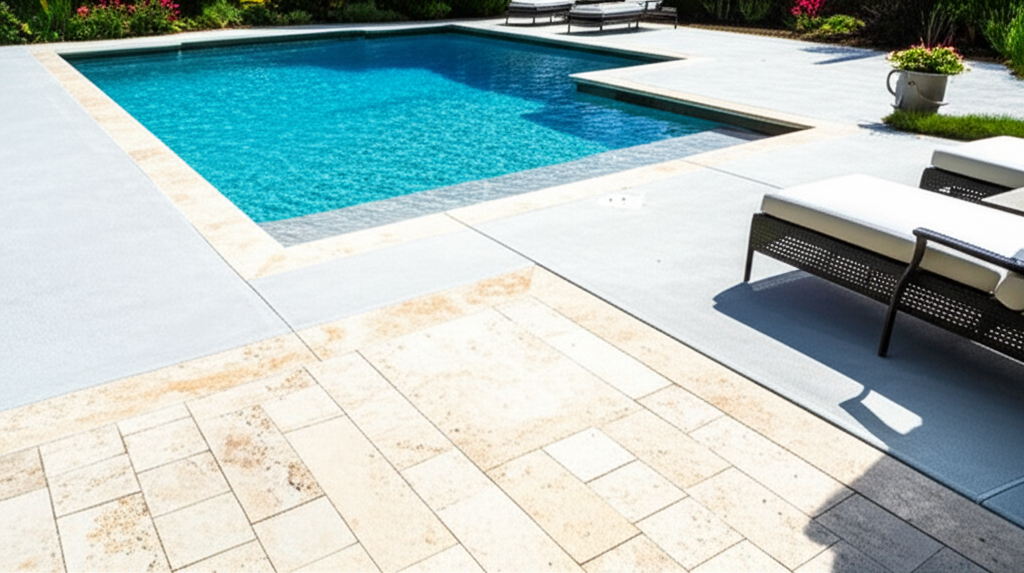
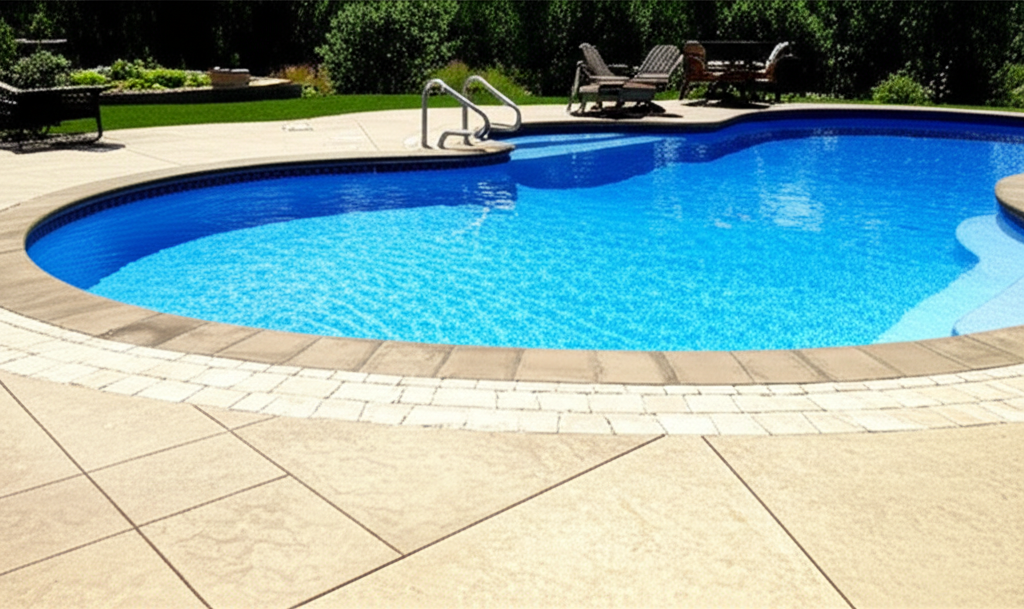
Pool Deck is more than just a surrounding for your swimming pool; it’s an extension of your home, a crucial element for safety, comfort, and aesthetic appeal. The choice of material for this vital space can profoundly impact its functionality, longevity, and overall look. When planning or renovating your poolside paradise, two dominant contenders consistently rise to the top: the classic elegance and versatility of pavers, and the robust durability and design potential of concrete. Understanding the unique attributes of each will empower you to make an informed decision, ensuring your outdoor experience is nothing short of spectacular.
—
The Allure of Pavers for Your Pool Deck
Pavers have become an increasingly popular choice for pool decks, and for good reason. They offer an unparalleled combination of aesthetic flexibility, practicality, and long-term value. Unlike a single slab of concrete, pavers are individual units typically made from concrete, natural stone, or clay, laid over a prepared base.
Unmatched Aesthetic Versatility: Pavers shine in their ability to create truly custom designs. Available in a vast array of colors, from earthy tones to vibrant hues, and numerous shapes and sizes – including classic bricks, interlocking geometric patterns, and irregular flagstones – they allow for intricate patterns and borders that can perfectly complement your home’s architecture and landscaping. Textures range from smooth and modern to rough and rustic, each imparting a distinct character to your pool area.
Durability and Easy Maintenance: One of the most significant advantages of pavers is their inherent durability. They are designed to withstand heavy foot traffic, extreme weather conditions, and the constant exposure to water and pool chemicals. Should an individual paver become damaged or stained, it can be easily removed and replaced without disturbing the surrounding area, a stark contrast to the costly and disruptive repair of a cracked concrete slab. Furthermore, the joints between pavers allow for minor ground movement without cracking, contributing to their impressive longevity. Most paver surfaces are also naturally non-slip, especially when wet, enhancing safety around the pool.
Comfort Underfoot: Unlike large expanses of solid concrete, pavers tend to absorb less heat, making them cooler to walk on during scorching summer days. This feature significantly enhances comfort, especially for bare feet. Proper sealing can also provide an additional layer of protection against stains and efflorescence, keeping your deck looking pristine with minimal effort.
—
Concrete Deck: Strength, Versatility, and Endurance
For decades, concrete has been the go-to material for pool decks, celebrated for its strength, cost-effectiveness, and adaptability. Modern concrete decks have evolved far beyond the plain gray slabs of yesteryear, offering a surprising array of design possibilities.
Robust Durability and Cost-Effectiveness: A properly installed concrete deck is incredibly durable, capable of lasting for many years with minimal maintenance. Its monolithic nature provides a solid, uniform surface that can handle heavy loads. From an initial investment perspective, a basic poured concrete deck is often the most economical option, making it an attractive choice for those with budget considerations.
Exceptional Design Flexibility: While traditionally seen as utilitarian, concrete offers remarkable versatility in design. It can be:
Stamped: Imprinted with patterns and textures to mimic natural stone, brick, wood, or tile, providing a high-end look without the associated cost of natural materials.
Stained: Transformed with acid or water-based stains to introduce rich, translucent colors that penetrate the surface, creating unique mottled or marbled effects.
Colored: Pigments mixed into the concrete before pouring create a uniform color throughout the slab.
Exposed Aggregate: Achieved by washing away the top layer of cement paste to reveal the decorative stones or pebbles within, offering a natural, slip-resistant texture.
Topped with Coatings: Specialized coatings like epoxy or cool deck treatments can be applied to enhance appearance, improve slip resistance, and reduce heat absorption.
Maintenance Considerations: While concrete is durable, it is susceptible to cracking over time due to ground movement, temperature fluctuations, or improper installation. Repairing cracks often involves patching, which can be noticeable. Regular sealing is crucial to protect against stains, moisture penetration, and to prolong its lifespan. For added comfort, “cool deck” coatings can significantly reduce the surface temperature of concrete, making it more pleasant for bare feet.
—
Comparing Pavers vs. Concrete for Your Pool Deck
Choosing between pavers and a concrete deck often comes down to weighing several factors:
Cost: Initial installation costs for basic concrete are usually lower than pavers. However, decorative concrete (stamping, staining) can approach or even exceed paver costs. Long-term, paver repair can be more cost-effective due to individual unit replacement, while concrete crack repair can be more extensive and noticeable.
Aesthetics & Customization: Pavers offer an immense range of individual units for intricate patterns and natural variations. Concrete offers versatility through stamping, staining, and coloring, allowing for seamless large-area designs.
Durability & Longevity: Both are highly durable. Pavers tolerate ground movement better without cracking; concrete is a solid slab but can crack under stress.
Maintenance & Repair: Pavers are easier to repair spot damage. Concrete requires sealing and can develop visible cracks that are harder to seamlessly repair. Cleaning is similar for both.
Heat Retention: Pavers generally stay cooler underfoot than standard concrete, a significant comfort factor around pools. Specific concrete coatings can mitigate concrete heat.
Installation Time: Poured concrete often has a shorter initial installation time (excluding curing), whereas paver installation can be more labor-intensive but allows immediate use.
—
Making the Right Choice for Your Outdoor Oasis
Ultimately, the best choice for your pool deck depends on your personal preferences, budget, lifestyle, and the specific characteristics of your property.
If you prioritize exceptional aesthetic variety, easy repairability, and comfortable, cooler surfaces, pavers might be your ideal solution. They create a luxurious, custom feel that can truly elevate your outdoor living space.
* If you’re seeking a robust, cost-effective initial investment with impressive design flexibility through stamping or staining, a concrete deck could be the perfect fit. Its strength and adaptable nature make it a versatile foundation for any pool area.
Consider how your pool deck will be used, the climate in your region, and your willingness to commit to ongoing maintenance. Consulting with experienced pool deck professionals who specialize in both materials can provide invaluable insights and help you visualize the possibilities, ensuring your chosen material perfectly complements your pool and creates the stunning, durable oasis you’ve always dreamed of.