TDS in Pool: Master High TDS for Crystal Water
March 11, 2026
Chlorine Lock: Critical Fix for Ineffective Chlorine
March 14, 2026
- The Algae Menace: Why Traditional Methods Fall Short
- Understanding Borate Treatment: How It Works for Algae Prevention
- Beyond Algae: The Multifaceted Benefits of Borate
- Implementing Borate Treatment in Your Pool
- Is Borate Treatment Right for You?
Borate Treatment has emerged as a game-changer in the world of pool maintenance, offering a robust and long-lasting solution to one of the most persistent headaches for pool owners: algae. While chlorine is the primary sanitizer, it often struggles against stubborn algae strains and fluctuating conditions. This is where borate steps in, providing a powerful, multi-faceted approach to not just control, but truly prevent the unwelcome green, black, and mustard invaders that can quickly turn a sparkling oasis into an murky swamp.
Pool algae isn’t just an aesthetic problem; it can clog filters, consume sanitizer, and harbor bacteria. Traditional approaches often involve reactive measures – heavy shocking, persistent brushing, and repeated doses of specific algaecides after an infestation has already taken hold. This constant battle can be frustrating and costly. Borate treatment shifts the paradigm from reaction to proactive prevention, establishing an environment where algae simply cannot thrive.
The Algae Menace: Why Traditional Methods Fall Short
Algae, in its various forms, is a photosynthetic organism that loves warm, sunny, nutrient-rich water – precisely the conditions often found in pools. Green algae is the most common, quickly blooming to cloud water. Black algae, a tenacious strain, forms deeply rooted spots that resist brushing and require potent treatments. Mustard algae, often mistaken for sand or dirt, is equally stubborn and chlorine-resistant.
While chlorine effectively kills many microorganisms, its efficacy against algae can be diminished by several factors: UV degradation, high bather load, insufficient circulation, and fluctuating pH levels. When chlorine levels drop, even momentarily, or pH drifts out of its ideal range, algae seizes the opportunity. Many traditional algaecides offer temporary fixes, killing existing algae but not always providing the sustained inhibitory effect needed for true long-term prevention. This constant cycle of treatment and recurrence is what makes algae such a formidable opponent.
Understanding Borate Treatment: How It Works for Algae Prevention
At its core, Borate Treatment involves maintaining a consistent level of dissolved borates (typically boric acid or sodium tetraborate, also known as borax) in your pool water, usually between 30 and 50 parts per million (ppm). These compounds are incredibly effective because they interfere with the very metabolic processes algae need to survive and reproduce.
Here’s a breakdown of how borate acts as an ultimate algae prevention strategy:
1. Inhibits Photosynthesis: Borate compounds directly disrupt the enzymatic systems that algae utilize for photosynthesis. By interfering with their ability to convert sunlight into energy, borate effectively starves the algae, preventing growth and proliferation even before they become visible.
2. Acts as a Buffer: Borates are excellent pH buffers. They help stabilize pool water pH within the ideal range (7.4-7.6), preventing wide swings that can stress chlorine and create conditions favorable for algae growth. A stable pH means chlorine works more efficiently and consistently.
3. Enhances Chlorine Efficiency: By inhibiting algae and stabilizing pH, borate treatment allows your primary sanitizer (chlorine) to perform at its peak. With less algae to fight, chlorine is freed up to more effectively sanitize the water, destroy bacteria, and break down organic contaminants. This means you often need less chlorine to maintain safe, clean water.
Beyond Algae: The Multifaceted Benefits of Borate
While superior algae prevention is the primary draw, borate treatment offers a host of other significant advantages that enhance the overall pool experience and ease of maintenance:
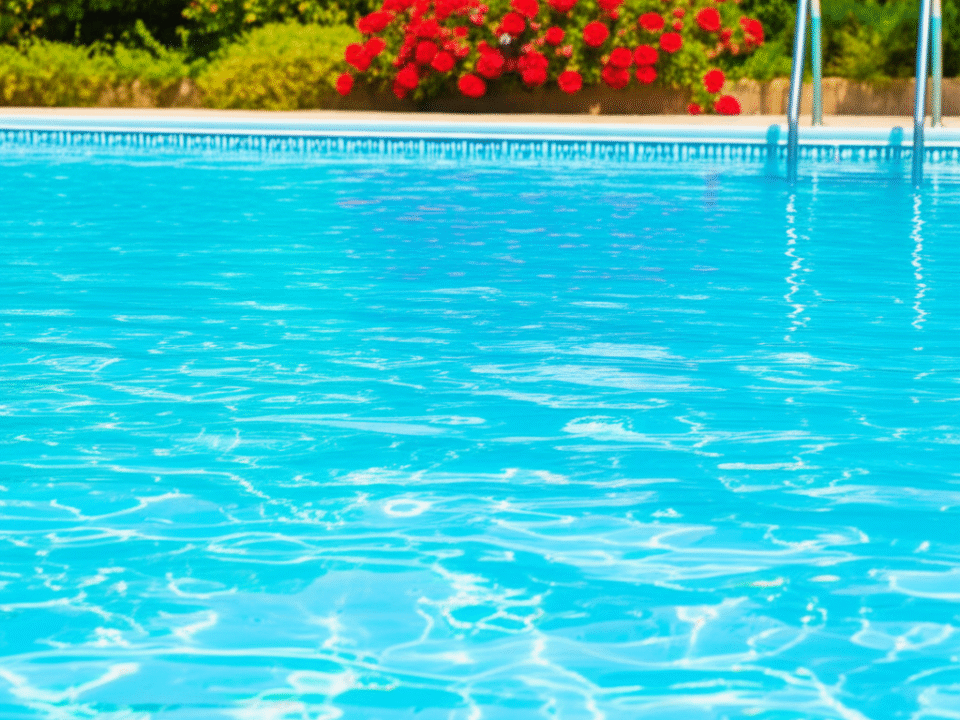
Crystal Clear Water: Pool owners consistently report dramatically clearer and sparkling water after implementing borate treatment. This phenomenon is attributed to borate’s ability to “polish” the water, causing microscopic particles to aggregate, making them easier for the filter to capture.
pH Stability: As mentioned, borates are strong buffers, making pH management significantly easier. Less time is spent adjusting pH, and the water naturally resists drastic shifts, saving both effort and chemicals.
Reduced Chemical Consumption: Because algae is inhibited and chlorine works more efficiently, many pool owners find they can reduce their weekly chlorine dose, and significantly cut down on algaecides and pH adjusters.
Softer Water Feel: Borate-treated water often feels noticeably softer and silkier on the skin. It also helps reduce eye and skin irritation, making for a more comfortable and enjoyable swim for everyone.
Prevents Scaling and Staining: By helping to maintain balanced water chemistry and reducing the need for aggressive chemical treatments, borates can help protect pool surfaces and equipment from scaling and staining, extending the life of your investment.
Suppressed Insect Activity: Anecdotal evidence suggests that borate-treated water may also discourage certain aquatic insects, such as water bugs, from taking up residence in your pool.
Implementing Borate Treatment in Your Pool
Adding borate to your pool is a straightforward process, typically done once a year to establish the initial level.
1. Test Your Water: Before adding borates, ensure your pool water is balanced, especially pH and alkalinity.
2. Determine Dosage: Calculate the required amount of borax or boric acid based on your pool’s volume and the desired borate level (30-50 ppm). Kits are available, or online calculators can assist.
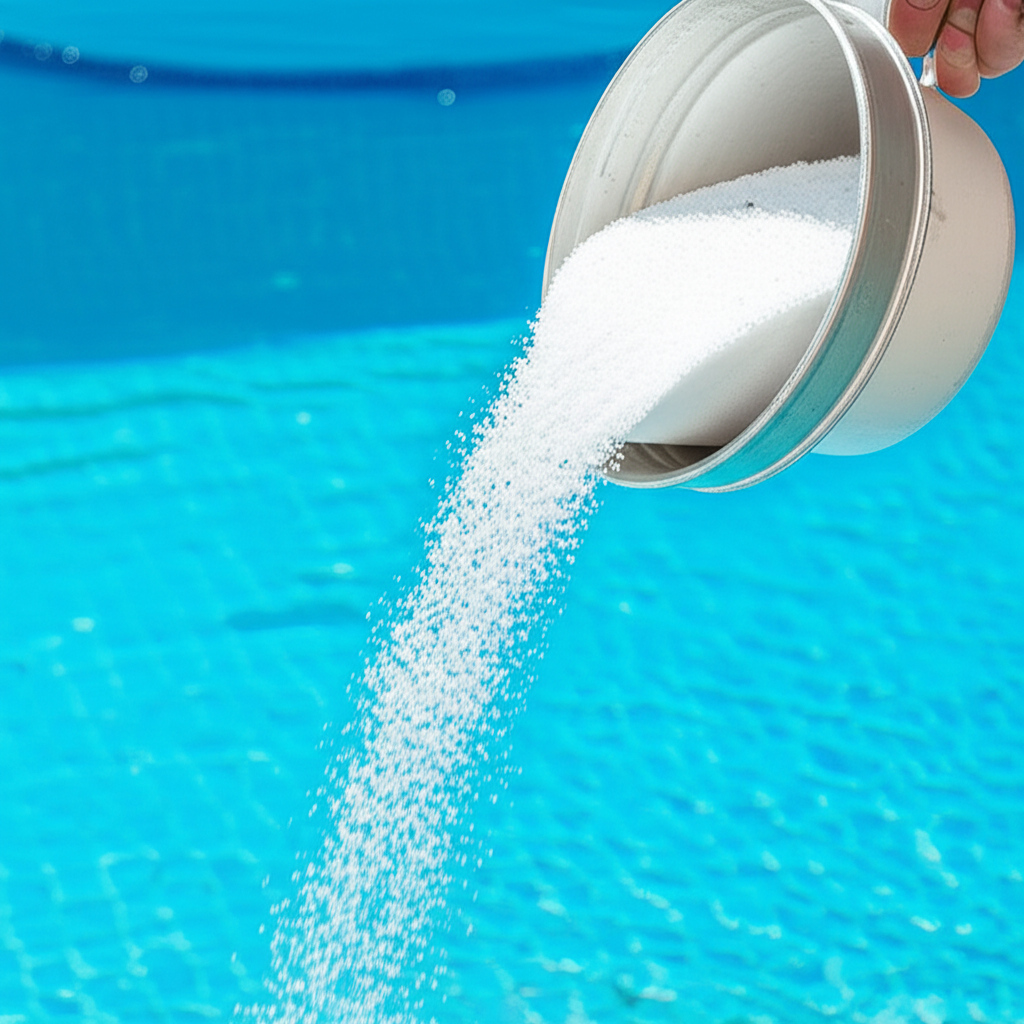
3. Add Borate Gradually: Dissolve the powdered borate in a bucket of warm water before slowly adding it to the pool, spreading it evenly around the perimeter to avoid clouding or precipitation. Run your pump for at least 24-48 hours to ensure thorough mixing.
4. Test Borate Levels: After 24-48 hours, use a borate test kit to verify the concentration. Adjust as necessary.
5. Maintenance: Once established, borate levels are very stable. You’ll only need to retest every few months and replenish small amounts due to splash-out or backwashing.
Safety Considerations: While borates are generally considered safe for swimming at the recommended concentrations, always handle the raw powder with care, wearing gloves and eye protection. Keep products out of reach of children and pets.
Is Borate Treatment Right for You?
For any pool owner tired of the incessant battle against algae, or simply seeking clearer water and easier maintenance, borate treatment is a highly appealing solution. It transforms pool care from a reactive struggle to a proactive, preventative approach, freeing up time to simply enjoy your pool. By integrating borates into your routine, you can experience consistently clear, comfortable water with less effort and fewer harsh chemicals, making your pool an ultimate haven year-round.