
Mustard Algae: Banish Yellow Pool Algae Effortlessly
March 4, 2026
Ozone Pool Systems: Ultimate Clean Pool Water
March 7, 2026
- What Exactly is Pink Slime?
- Common Hideouts for Pink Slime
- Eradicating Pink Slime: Your Action Plan
- Long-Term Prevention: Keeping Pink Slime at Bay
- When to Call a Professional
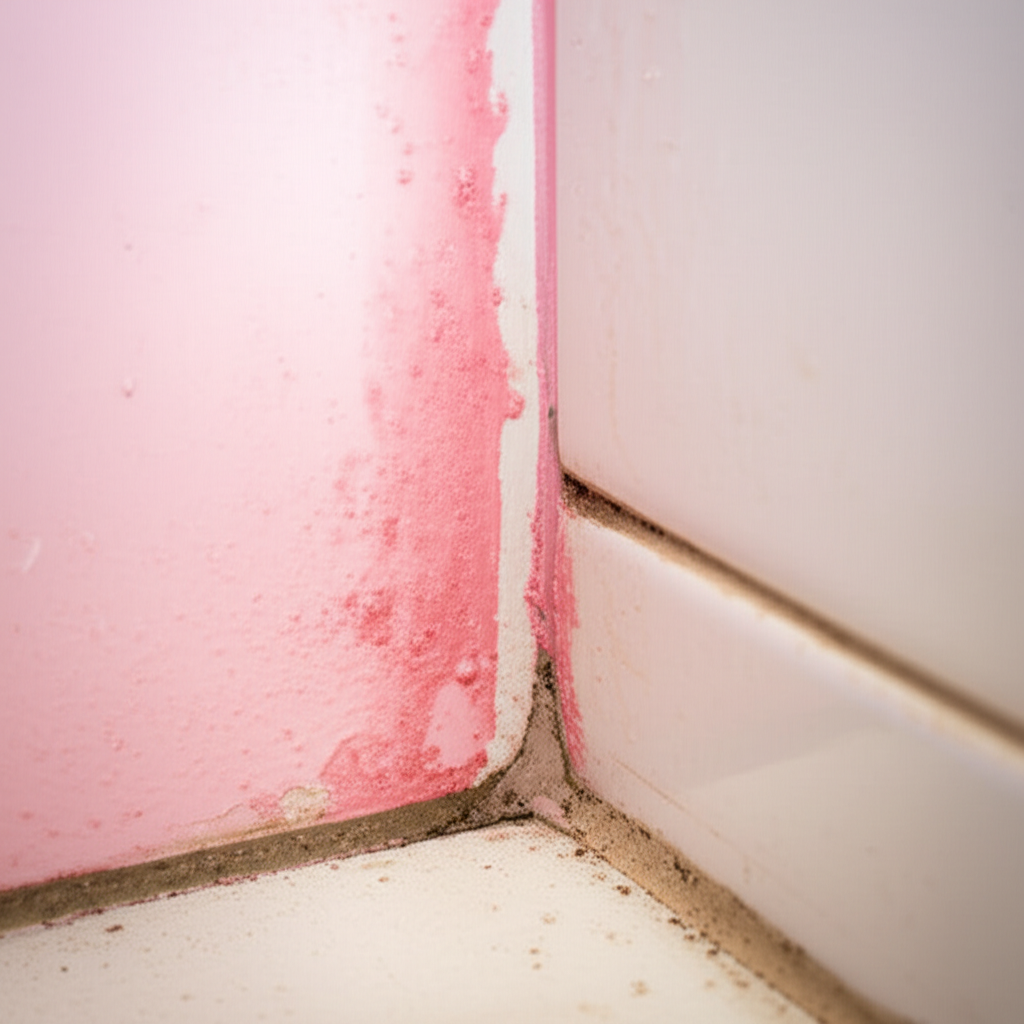
Pink Slime is a pervasive and unwelcome guest in many homes, often appearing in moist environments like showers, sinks, and toilets. Despite its slimy appearance and common misidentification as a type of mold or algae, this reddish-pink discoloration is actually caused by a bacterium known as Serratia marcescens. While generally harmless to healthy individuals, its presence indicates a need for thorough cleaning and can be a nuisance for homeowners seeking a pristine environment. Fortunately, eradicating it can be both fast and effortless once you understand its nature and how to effectively combat it.
What Exactly is Pink Slime?
Before tackling the problem, it’s crucial to understand your adversary. Serratia marcescens is a psychrophilic bacterium, meaning it thrives in cool, damp conditions. It produces a distinctive red pigment called prodigiosin, which gives the “slime” its characteristic pink, orange, or reddish hue. This bacterium is ubiquitous, existing naturally in soil, water, and even in the air. When it finds a suitable moist surface with nutrients (like soap residue, mineral deposits from water, or even human skin flakes), it rapidly multiplies, forming visible biofilms.
While Serratia marcescens is primarily an aesthetic concern in most household settings, it’s worth noting that in hospital environments, it can be an opportunistic pathogen, potentially causing infections in vulnerable or immunocompromised individuals. For the average homeowner, however, its main crime is being an unsightly addition to otherwise clean bathrooms and kitchens.
Common Hideouts for Pink Slime
Knowing where Serratia marcescens likes to make its home is the first step in effective eradication. Its preference for damp areas means you’ll frequently find it in bathrooms and kitchens.
Showers and Bathtubs: Grout lines, shower curtains, showerheads, and around drains are prime locations due to constant moisture and soap scum.
Toilets: The waterline inside the bowl, under the rim, and around the base where moisture might accumulate are common spots.
Sinks and Faucets: Drains, overflow openings, and the often-damp areas around faucet bases are also targeted.
Pet Water Bowls: If not cleaned regularly, pet bowls provide an ideal breeding ground for the bacteria, and consistent exposure could pose a mild risk to pets, though rare.
Humidifiers: The water reservoir and internal components of humidifiers, if not maintained, can quickly harbor Serratia marcescens.
Eradicating Pink Slime: Your Action Plan
The good news is that with the right approach, eliminating this pesky bacterium is straightforward. Consistency is key, but the initial clean-up doesn’t have to be a marathon.
1. Physical Removal is First: Before applying disinfectants, mechanically remove as much of the visible growth as possible. For showers and tubs, a stiff brush or scrub pad works wonders. For smaller areas like drains or faucet crevices, an old toothbrush can be invaluable. Rinse the area thoroughly with hot water to wash away loose particles.
2. Disinfection – The Key to Pink Algae Treatment: Since many people mistakenly refer to it as “pink algae,” effective “pink algae treatment” actually means killing the bacteria. A range of disinfectants can be highly effective:
Bleach Solution: For tough infestations, a diluted bleach solution is highly effective. Mix 1/4 cup of bleach with 1 gallon of water. Apply to the affected areas, let sit for 10-15 minutes (ensuring good ventilation), then scrub and rinse thoroughly. Always test on an inconspicuous area first, especially on colored grout or porous surfaces, and never mix bleach with other cleaners (especially ammonia).
Vinegar: A more natural alternative, white vinegar is acidic and can help kill bacteria and dissolve mineral deposits that Serratia marcescens feeds on. Spray undiluted white vinegar onto the affected surface, let it sit for at least 30 minutes, then scrub and rinse. While effective for milder cases and general cleaning, it may not be as potent as bleach for heavy infestations.
Hydrogen Peroxide: A 3% solution of hydrogen peroxide can be sprayed directly onto the Serratia marcescens. Allow it to sit for 10-15 minutes before scrubbing and rinsing. It’s a great bleach alternative for those sensitive to fumes.
Borax or Baking Soda Paste: For stubborn spots in showers or sinks, create a paste with borax or baking soda and a small amount of water. Apply it to the affected area, let it sit for 30 minutes to an hour, then scrub vigorously with a brush and rinse. These act as gentle abrasives and help lift the biofilm.
3. Rinse and Dry Thoroughly: After disinfection, a final thorough rinse is critical. Any lingering cleaning solution or moisture will only provide a new breeding ground. More importantly, drying the surface slows down bacterial regrowth significantly.
Long-Term Prevention: Keeping Pink Slime at Bay
Eradicating Serratia marcescens is one thing; preventing its return is another. Long-term prevention hinges on maintaining dry, clean conditions.
Ventilation is Your Best Friend: Always use your bathroom exhaust fan during and after showers for at least 15-20 minutes. If you don’t have a fan, open windows to improve air circulation.
Wipe Down Surfaces: After showering, take a minute to wipe down shower walls, curtains, and faucets with a towel or squeegee. This removes residual moisture and soap scum.
Regular Cleaning Schedule: Incorporate a weekly wipe-down of all susceptible areas with a mild disinfectant. Don’t wait for the pink grime to appear.
Address Leaks Promptly: Even minor drips can provide enough moisture for bacteria to flourish. Fix leaky faucets or pipes as soon as you notice them.
Clean Pet Bowls Daily: For pet owners, this is a non-negotiable. Wash pet water bowls with hot, soapy water daily to prevent biofilm formation.
Consider Water Filtration: In some rare cases, the presence of Serratia marcescens might be linked to the home’s water supply. If outbreaks are unusually persistent and widespread, a professional water quality test and filtration system might be worth considering.
When to Call a Professional
While most pink slime issues are easily managed by homeowners, there are instances where professional help might be necessary. If you’re dealing with extensive infestations that return almost immediately despite diligent cleaning, or if you suspect it’s impacting your water system beyond simple surface growth, a professional cleaner or plumber can assess the situation. They can offer deeper cleaning solutions, investigate potential water source issues, or provide specialized treatments for persistent problems.
In conclusion, while the appearance of pink slime can be unsightly, it’s generally a manageable nuisance. By understanding that it’s a bacterial biofilm caused by Serratia marcescens* and by consistently applying a regimen of cleaning, disinfection, and proactive moisture control, you can quickly and effortlessly eradicate it and keep your home fresh and clean.