Green Pool: Stunning Algae Treatment Results!
March 2, 2026
Pink Slime: Eradicate It Fast & Effortlessly
March 5, 2026
Mustard Algae: Understanding and Eradicating This Stubborn Invader
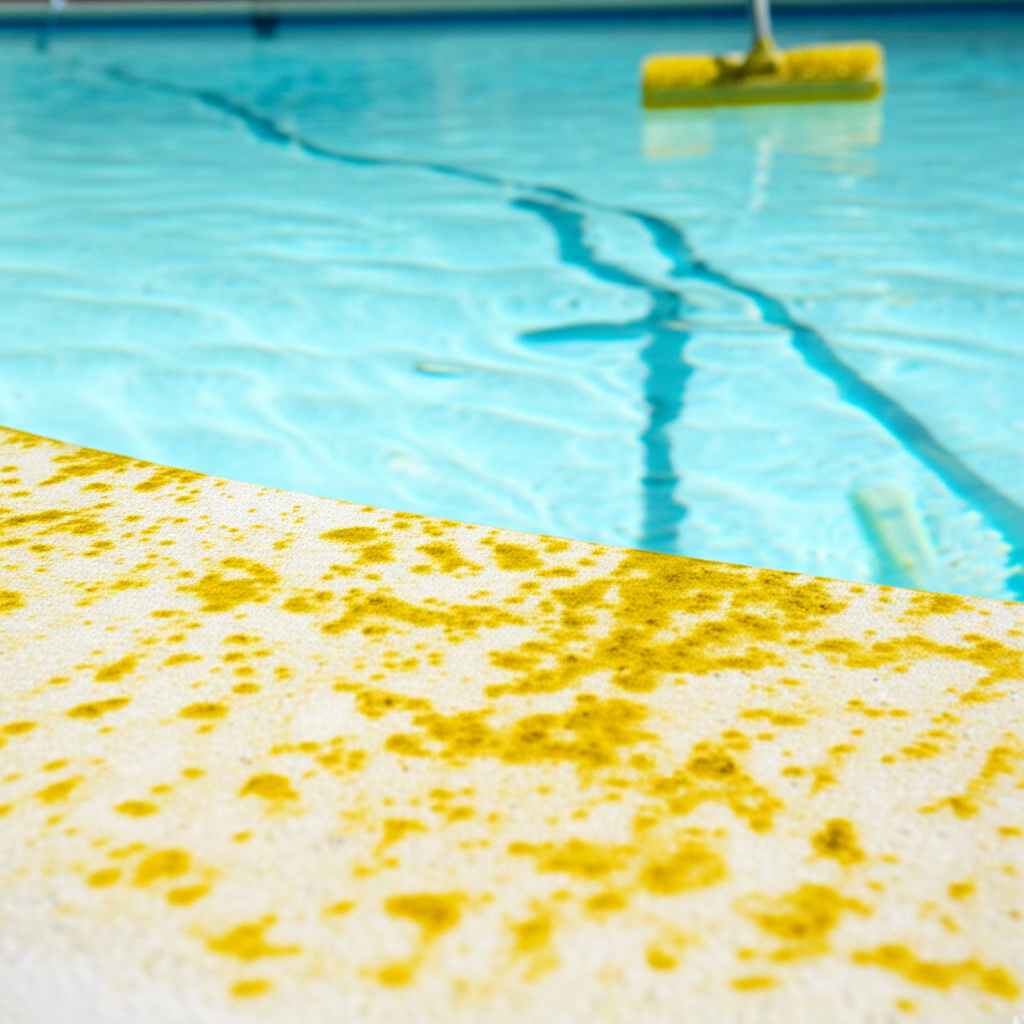
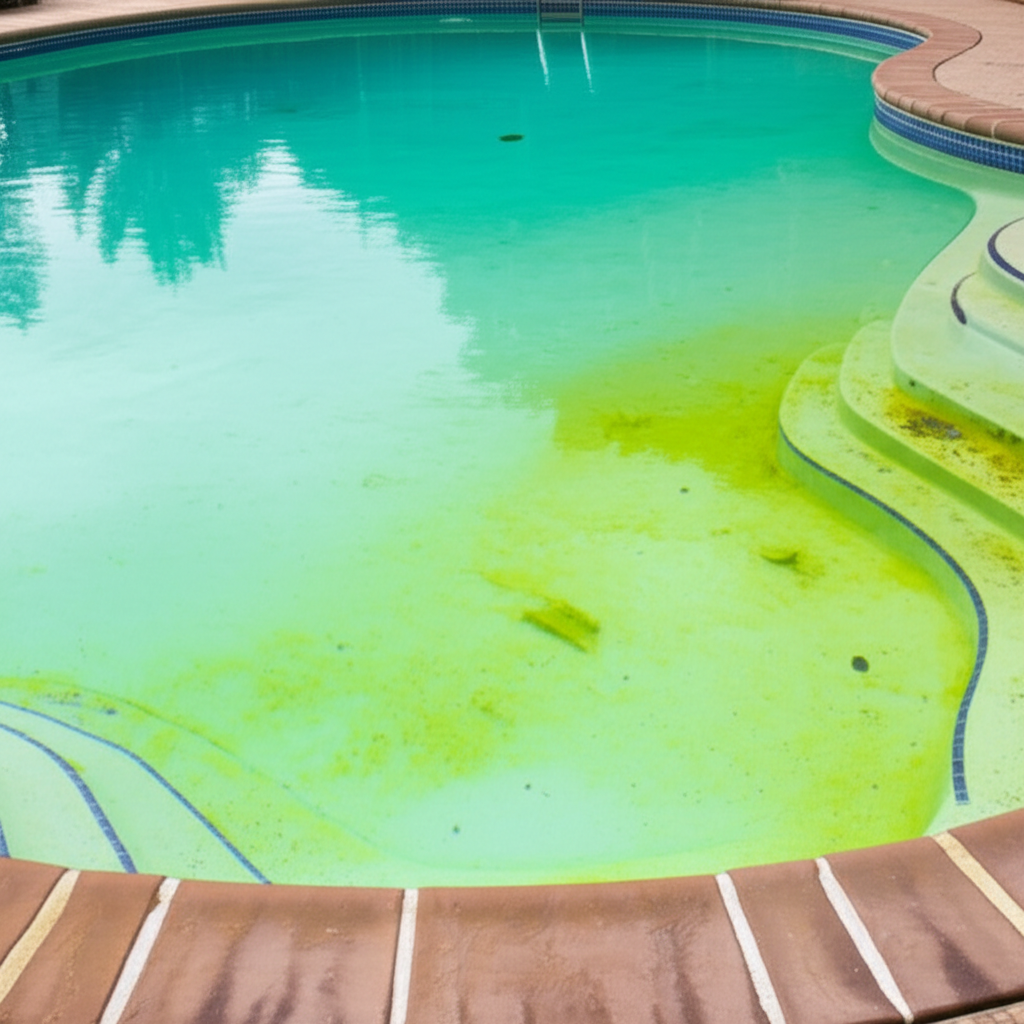
Mustard algae, also commonly known as yellow pool algae, is a notorious nuisance for pool owners. Unlike its vibrant green cousin, which is relatively easy to conquer, mustard algae presents a unique challenge due to its resilience and resistance to standard shock treatments. This persistent foe clings to pool surfaces, often appearing as a fine, dusty yellow or brownish-yellow film, and has a knack for reappearing even after aggressive treatment if not handled correctly. Understanding its characteristics and implementing a targeted elimination strategy is crucial for restoring your pool’s sparkling clarity.
Why is Yellow Pool Algae So Stubborn?
The primary reason yellow pool algae is so difficult to eradicate lies in its protective slime layer. This layer makes it highly resistant to chemical treatments, allowing it to survive levels of chlorine that would easily dispatch green algae. Furthermore, its spores can hide in swimsuits, pool toys, cleaning equipment, and even on your pool decking or landscaping, making cross-contamination a significant concern. It’s not a health risk in the same way some other contaminants are, but it’s certainly an aesthetic and maintenance headache, making your pool look dirty and less inviting.
Identifying Mustard Algae
Distinguishing mustard algae from other pool problems is key to effective treatment.
Appearance: It looks like a fine, yellowish powder or dust, often clinging to the shaded sides of the pool, corners, steps, and even the bottom. It doesn’t typically make the water cloudy in the same way green algae does.
Feel: When brushed, it easily disperses into the water but quickly resettles in the same spot, making it seem like it never really left.
Resistance: It will laugh in the face of a light chlorine shock, often showing little to no sign of dying off.
If you suspect this unwelcome guest has taken root in your pool, don’t despair; a systematic approach can banish it for good.
Effective Prevention Strategies
Prevention is always better than cure, especially with something as persistent as yellow pool algae.
Maintain Proper Chemistry: Consistent pH (7.4-7.6), alkalinity (80-120 ppm), and regular chlorine levels are your first line of defense.
Regular Brushing: Brush pool walls and floors weekly, even if they look clean, paying extra attention to shaded areas and crevices.
Filter Cleaning: Backwash or clean your filter regularly to remove trapped contaminants.
Sanitize Equipment: Regularly clean pool toys, floats, and cleaning equipment with a chlorine solution. Launder swimsuits that have been in an infected pool.
Sunlight Exposure: Ensure your pool gets adequate sunlight, as mustard algae prefers shaded areas.
Banish Yellow Pool Algae: A Step-by-Step Eradication Plan
Once mustard algae has taken hold, you need a comprehensive battle plan. Don’t skip steps; thoroughness is the secret to success. This process typically takes several days to a week.
1. Preparation is Key:
Test and Balance Water: Ensure your pH, alkalinity, and calcium hardness are all within the ideal ranges. This allows your chemicals to work most efficiently.
Clean All Equipment: Remove and thoroughly scrub pool ladders, diving boards, and any pool accessories. Sanitize pool toys, floats, and cleaning brushes by soaking them in a strong chlorine solution or spraying them lightly with algaecide. Launder any swimsuits or towels that may have come into contact with the affected water.
Brush Surfaces: Give your entire pool a vigorous brushing. Use a good quality pool brush and pay close attention to the walls, floor, steps, skimmers, and all crevices where the algae might be hiding. The goal is to loosen as much of the algae as possible into the water.
2. Shock Treatment for Mustard Algae:
Hyperchlorination: This is not your standard shock. You’ll need to double or even triple the amount of granular pool shock you’d typically use, especially if using a calcium hypochlorite shock. For dichlor-based shock, you might need up to 4-5 times the normal dose. Always follow product instructions carefully and calculate based on your pool’s volume.
Circulation: With your pump running 24/7, broadcast the shock evenly across the pool, preferably at dusk or night to minimize UV degradation.
Brush Again: About 12-24 hours after shocking, brush the entire pool again. This helps expose any resistant algae cells to the high chlorine levels.
3. Introduce a Specialized Algaecide:
Mustard Algae Specific: While high chlorine levels are effective, adding a professional-grade algaecide formulated specifically for yellow or mustard algae acts as a powerful booster and deterrent. These often contain metallic compounds like copper or ammonium compounds that target resistant algae.
Follow Directions: Carefully read and follow the mixing and application instructions for your chosen algaecide.
4. Continuous Filtration and Cleaning:
Run Pump 24/7: Keep your pool pump and filter running continuously for at least 48-72 hours after treatment. This is critical for filtering out dead algae and circulating chemicals.
Backwash/Clean Filter Frequently: Mustard algae clogs filters quickly. Backwash sand and DE filters, or clean cartridge filters daily (or even twice daily) during the treatment process until the water clears. You will likely see a yellow-brown discharge during backwashing.
5. Vacuum to Waste (If Possible):
Remove Debris: Once the water starts to clear and dead algae settles, vacuum the pool. If you have the option, vacuum directly “to waste” to bypass your filter and prevent re-introducing algae into the system. If not, vacuum normally and immediately backwash/clean your filter.
6. Re-Test and Balance:
Check Levels: After the water has cleared and you’ve run the filter extensively, re-test your water chemistry. Your chlorine levels will likely be very high, which is good. Once chlorine drops to a safe swimming level (1-3 ppm), ensure pH and alkalinity are still balanced.
Ongoing Maintenance to Prevent Recurrence
After successfully banishing yellow pool algae, maintaining a diligent routine is key to preventing its return. Continue weekly brushing, maintain consistent chemical levels, run your filter for adequate hours daily, and regularly clean your pool equipment. If you notice even the slightest hint of yellow dust, address it immediately with a targeted algaecide and increased chlorine levels.
While encountering mustard algae can be frustrating, it’s a battle you can definitively win with patience, consistency, and the right approach. By following these comprehensive steps, you’ll restore your pool to its pristine, inviting state and keep those stubborn yellow invaders at bay.