Cloudy Water: Effortless Pool Clarifier Breakthrough
March 1, 2026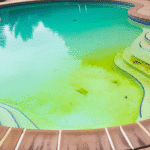
Mustard Algae: Banish Yellow Pool Algae Effortlessly
March 4, 2026
Green Pool: From Murky Nightmare to Sparkling Oasis
A green pool is a sight no pool owner wants to behold. What was once an inviting expanse of crystal-clear water, perfect for a refreshing dip, transforms into a murky, often slimy, and utterly unappealing cesspool. This unfortunate transformation is almost always the result of an uncontrolled bloom of algae, a microscopic plant-like organism that thrives in warm, still water with imbalanced chemistry. While it might look like a lost cause, the good news is that with the right algae treatment strategy, those stunning results of a clear, pristine pool are entirely achievable.
Why Does Your Pool Turn Green? Understanding the Enemy
Before diving into the solution, it’s crucial to understand why your pool became a haven for algae in the first place. Several factors contribute to a green pool, often working in conjunction:
Insufficient Sanitizer Levels: Low chlorine (or other sanitizer) levels are the most common culprit. Chlorine is designed to kill bacteria and algae, and without enough of it, these microscopic invaders quickly take over.
Poor Circulation: A broken or improperly running filter pump means water isn’t moving effectively, creating stagnant zones where algae can flourish.
Unbalanced Water Chemistry: Beyond just sanitizer, other chemical imbalances like high pH, low alkalinity, or high phosphates (an algae food source) can make your pool more susceptible.
Organic Debris: Leaves, dirt, pollen, and other organic matter introduce nutrients that algae feast upon.
Warm Temperatures and Sunlight: Algae loves warm, sunny environments, which often correspond with peak pool usage season.
Filter Issues: A dirty or malfunctioning filter can’t effectively remove algae spores, allowing them to multiply.
Identifying the root cause not only helps you treat the current problem but also prevents future outbreaks, ensuring your pool remains a sparkling blue oasis.
The Science Behind Effective Algae Treatment
Tackling a green pool requires a systematic approach that combines chemical treatment with thorough physical cleaning and filtration. The core of any effective algae treatment involves:
1. Massive Sanitization (Shock Treatment): This involves adding a very high dose of chlorine (usually granular calcium hypochlorite or sodium dichloro-s-triazinetrione, known as “pool shock”) to kill the existing algae. The high concentration overwhelms the algae’s defenses.
2. Algaecide Application: While shock kills algae, a good algaecide helps prevent immediate regrowth, breaks down tougher algae strains, and clears stubborn particles, often by coagulating them so the filter can catch them.
3. Brushing: Algae often clings to pool surfaces. Brushing dislodges it, making it easier for chemicals to act and for the filter to remove it.
4. Filtration: The filter is your pool’s kidney. After killing the algae, the filter works overtime to remove the dead algae particles, debris, and chemical byproducts from the water, gradually restoring clarity.
Preparing for Your Green Pool Revival
Before you begin the treatment process, gather your tools and safety gear. You’ll need:
Water Test Kit/Strips: Essential for accurate chemical readings.
Pool Brush: Stiff bristled for concrete, softer for vinyl liners.
Pool Skimmer Net: To remove large debris.
Pool Vacuum: Manual or robotic.
Pool Shock: Enough for a heavy dose (check product instructions for “green pool” ratios).
Algaecide: A good quality, compatible algaecide.
Safety Gear: Gloves, eye protection, and old clothes.
Filter Cleaner (optional but recommended): Especially for sand or DE filters.
Step-by-Step Guide to Algae Treatment
Here’s a detailed plan to transform your green pool back to its former glory:
1. Remove Large Debris: Skim out all leaves, bugs, and visible debris from the pool. This prevents them from consuming chemicals unnecessarily.
2. Test and Balance Water Chemistry: Before shocking, get your pH and alkalinity into the recommended ranges. Optimal pH (7.4-7.6) ensures your shock treatment works most effectively. Ammonia can also inhibit chlorine, so test for that too if concerned.
3. Brush All Surfaces Thoroughly: Using a robust pool brush, scrub every inch of your pool walls, floor, and steps. Pay extra attention to areas with visible algae growth and shady spots. This dislodges algae so chemicals can penetrate and kill it.
4. Super-Chlorinate (Shock Treatment): Follow the instructions on your pool shock product carefully. For a green pool, you’ll likely need to “triple” or “quadruple” shock it. Dissolve granular shock in a bucket of water before adding it to the pool (never add water to granular shock directly). Distribute the mixture evenly around the pool, ideally in the evening to prevent UV degradation of chlorine.
5. Add Algaecide: After shocking and allowing the chlorine to circulate for an hour or two, add the recommended dose of algaecide. Choose one designed for your type of algae (green, yellow, black).
6. Run Your Filter Continuously: For the next 24-48 hours, run your pool filter non-stop. This is critical for circulating chemicals and removing dead algae particles. Backwash or clean your filter frequently as it clogs with dead algae.
7. Brush Again (and Again): Continue to brush the pool daily for the next few days. This helps to dislodge any remaining stubborn algae and keeps particles suspended for the filter.
8. Vacuum the Pool: Once the water starts to lighten, you’ll likely see a layer of dead algae accumulated on the bottom. Vacuum this to waste if possible (bypassing the filter) to prevent clogging your filter with sludge.
9. Monitor Water Chemistry and Re-Test: Keep an eye on your chlorine levels. If they drop rapidly, it indicates there’s still a lot of algae to kill, and you might need another maintenance shock. Once the water is visibly clearer, re-test all parameters and balance them to normal levels.
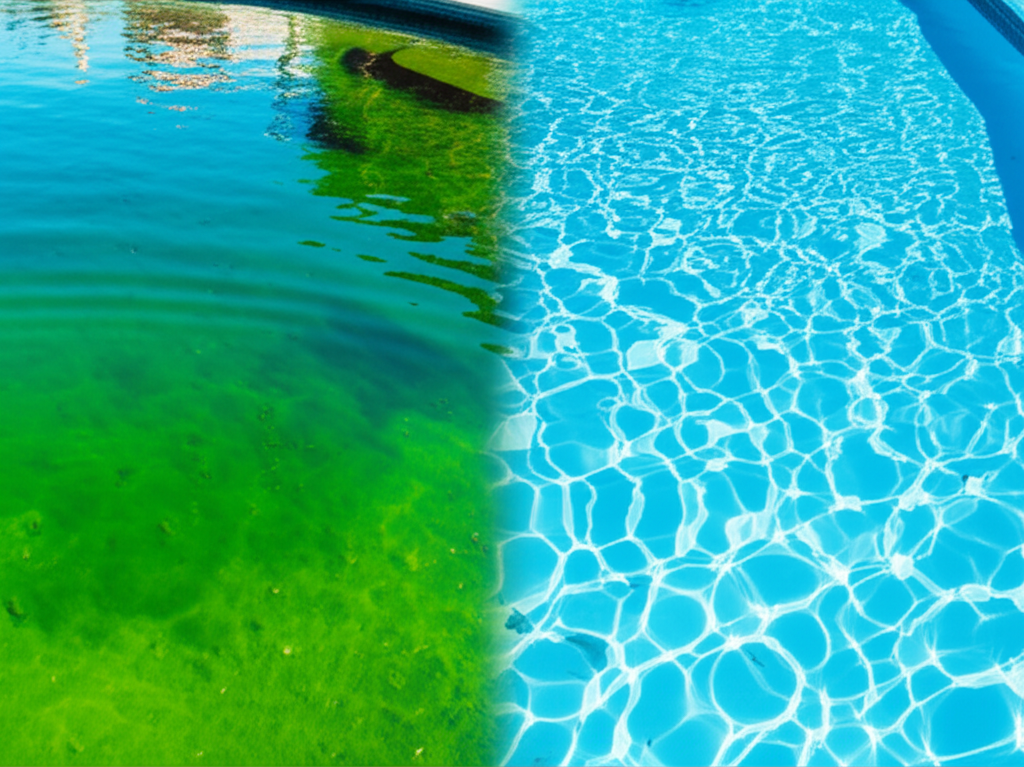
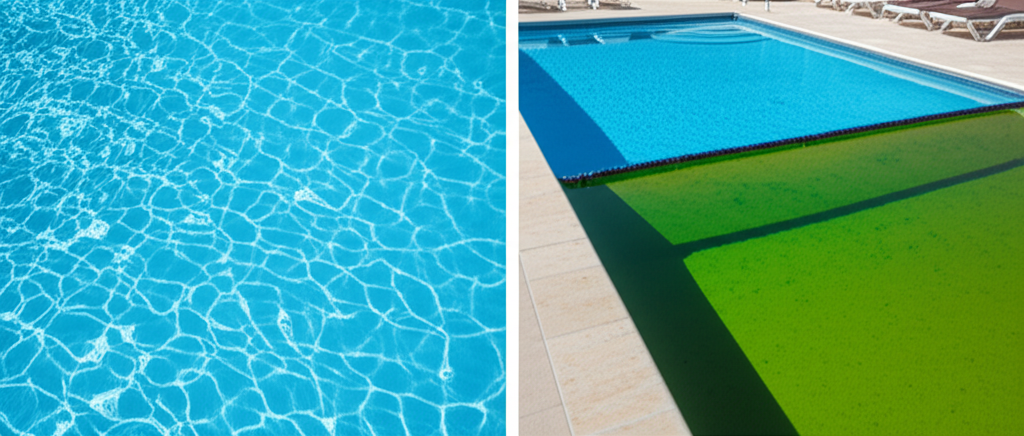
From Green Pool to Pristine Oasis: The Stunning Algae Treatment Results
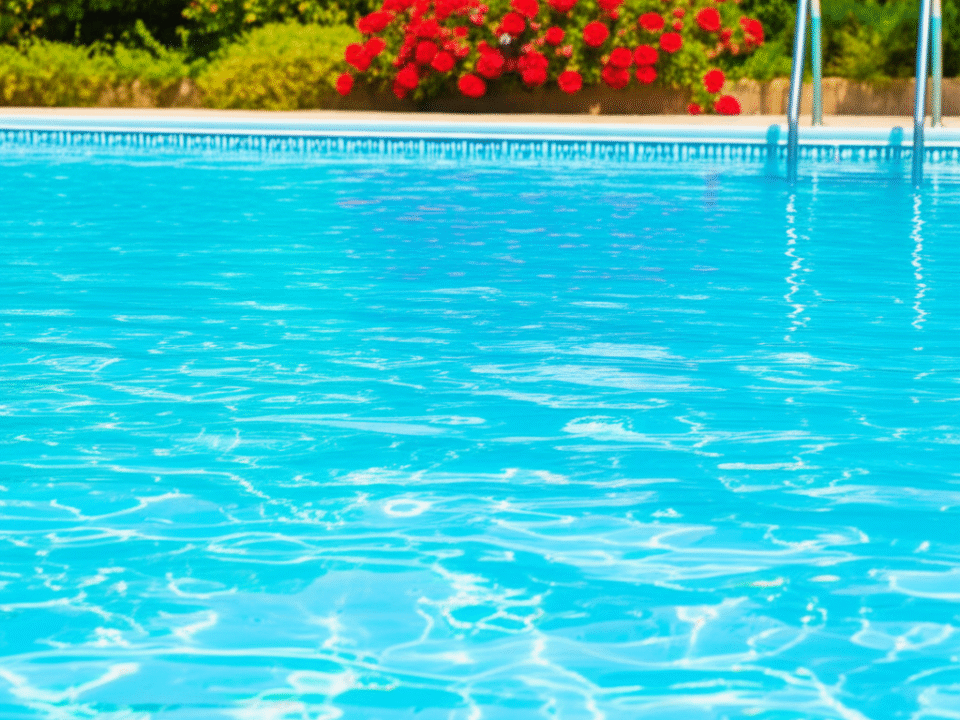
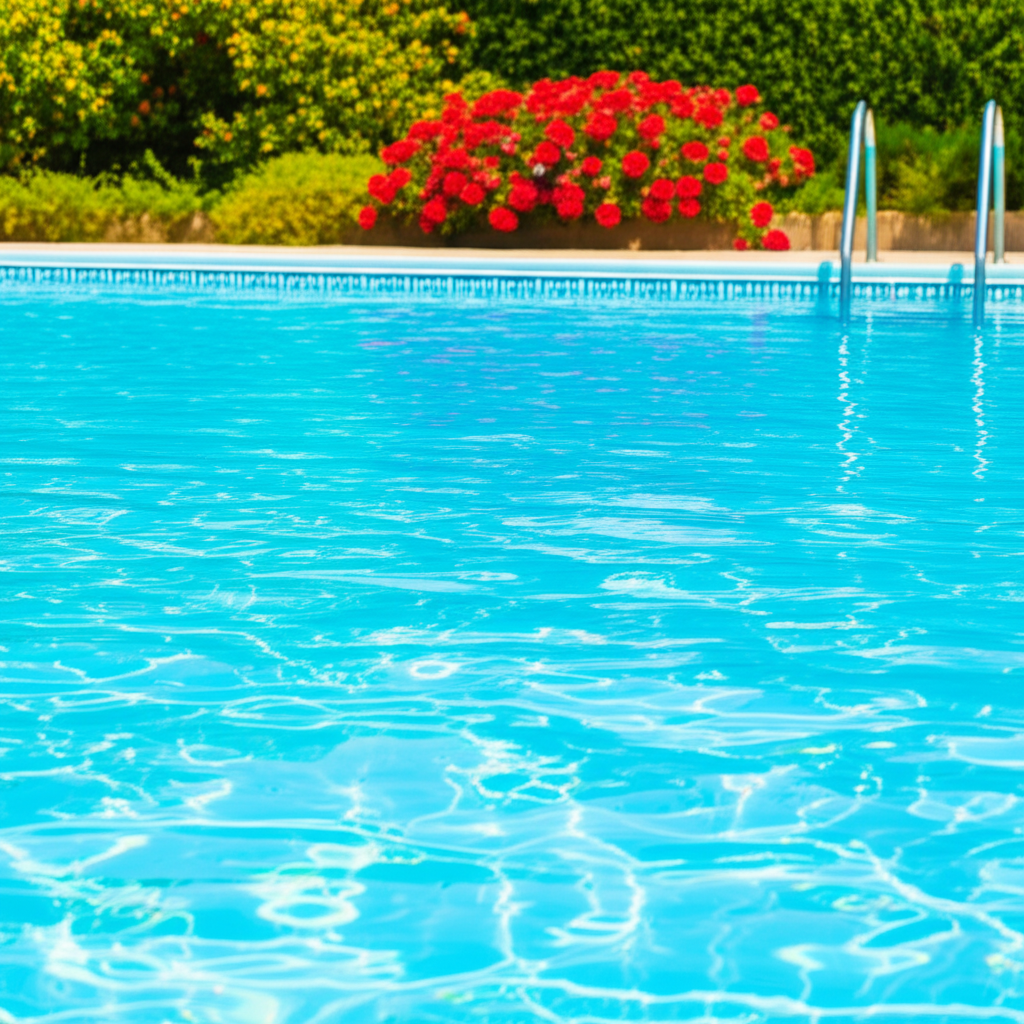
The transformation can be remarkable. What starts as an opaque, dark green swamp will gradually lighten to a cloudy blue, then a milky white, and finally, a sparkling, vibrant blue. This process takes patience – typically 3 to 7 days, sometimes longer for severe cases. Don’t be discouraged if the water turns cloudy after shocking; that’s often a sign that the algae is dying. With consistent effort, the stunning algae treatment results will speak for themselves: a clear, inviting pool that’s safe and enjoyable once more.
Preventing Future Green Guests
Maintaining a clear pool after treatment is far easier than battling a green pool. Implement these practices:
Regular Chlorine Testing & Dosing: Test your chlorine (and pH) daily or every other day, especially in warm weather, and add sanitizer as needed.
Consistent Filtration: Run your filter for at least 8-12 hours daily (or longer in peak season).
Routine Brushing & Skimming: Don’t let debris sit in the pool, and brush walls weekly.
Chemical Balancing: Maintain all water chemistry parameters within ideal ranges.
Phosphate Removal: Consider adding a phosphate remover if you frequently battle algae.
Shock Routinely: Once a week or every two weeks, give your pool a maintenance shock to kill nascent algae and break down contaminants.
A green pool is certainly a disheartening sight, but it’s not a permanent problem. With the proper tools, knowledge, and consistent effort in algae treatment, you can achieve truly stunning results, turning that murky nightmare back into the dazzling centerpiece of your backyard.