Green Pool Care: Ultimate & Effortless Solutions
February 21, 2026Total Alkalinity: Master Pool Balance Effortlessly
February 24, 2026
- What is Pool pH and Why Does It Matter So Much?
- Understanding Your Pool pH Levels: Testing is Key
- Adjusting Your Pool's pH: Simple Steps for Balance
- Beyond pH: The Symphony of Water Chemistry for Stunning Clarity
- Maintaining Consistent Balance for Long-Term Enjoyment
Pool pH is far more than just a number on a test strip; it’s the invisible architect of your swimming experience, dictating everything from water clarity and bather comfort to the lifespan of your pool equipment. Achieving the perfect pH balance isn’t a mystical art, but a straightforward science that, once understood, ensures your pool remains a pristine oasis of enjoyment. With a little knowledge and consistent effort, you can easily maintain that stunning clarity and provide a comfortable, safe environment for everyone.
What is Pool pH and Why Does It Matter So Much?
In chemistry, pH measures how acidic or alkaline (basic) a substance is. The scale runs from 0 to 14, with 7 being perfectly neutral. Anything below 7 is acidic, and anything above 7 is alkaline. For swimming pools, the ideal pH range is remarkably narrow: typically between 7.4 and 7.6, mirroring the pH of human tears. Some experts might extend this slightly to 7.2-7.8, but the tighter 7.4-7.6 range is often preferred for optimal comfort and sanitizer efficiency.
Steering outside this sweet spot can lead to a cascade of problems:
When Pool pH is Too Low (Acidic):
Bather Discomfort: Swimmers may experience stinging eyes and itchy skin, similar to getting soap in their eyes.
Equipment Corrosion: Acidic water is corrosive. It can damage metal components like ladders, heaters, pump parts, and even dissolve grouting in tiled pools or etch plaster.
Rapid Sanitizer Dissipation: Chlorine and other sanitizers are consumed much faster in acidic water, making it harder to maintain proper sanitation levels and requiring more frequent chemical additions.
When Pool pH is Too High (Alkaline):
Cloudy Water: High pH often leads to mineral precipitation, causing the water to appear cloudy and dull.
Scale Formation: Calcium and other minerals can crystallize, forming unsightly scale deposits on pool surfaces, tile lines, and inside plumbing. This not only looks bad but can also reduce the efficiency of heaters and filters.
Ineffective Sanitizer: While chlorine dissipates quickly in low pH, its sanitizing power is drastically reduced in high pH. The chlorine will still be present but largely inactive, leaving your pool vulnerable to algae and bacteria.
Bather Discomfort: High pH can also cause skin irritation and dryness.
Understanding these consequences immediately highlights why keeping your pH Levels in check is paramount for both the health of your pool and the comfort of its users.
Understanding Your Pool pH Levels: Testing is Key
You can’t manage what you don’t measure. Regular testing is the cornerstone of effective pool maintenance, especially when it comes to pH. There are several reliable methods for testing your pool’s pH:
1. Test Strips: These are the simplest and most common. You dip a strip into the water for a few seconds, then compare the color changes to a chart on the bottle. They’re quick and provide a good general indication.
2. Liquid Test Kits: Often come with reagents for chlorine and pH, and sometimes alkalinity. These offer more precise results than strips and are favored by many pool owners. You add drops of solution to a water sample, and the resulting color indicates the chemical level.
3. Digital Testers: For the ultimate in precision and ease of reading, digital pH meters provide an exact numerical value. While more expensive, they can be a worthwhile investment for serious pool enthusiasts.
How Often to Test?
Weekly: At a minimum, test your pH once a week during peak swimming season.
After Significant Events: Test more frequently after heavy rain, large pool parties, or if you notice any changes in water clarity or bather comfort.
After Chemical Adjustments: Always retest a few hours after adding any chemicals to ensure the desired effect has been achieved.
Adjusting Your Pool’s pH: Simple Steps for Balance
Once you’ve identified that your pH is out of whack, adjustments are relatively straightforward. The key is to add chemicals slowly, allowing time for them to disperse and react, and then retesting.
If Your pH is Too Low (Below 7.4): Raising the pH
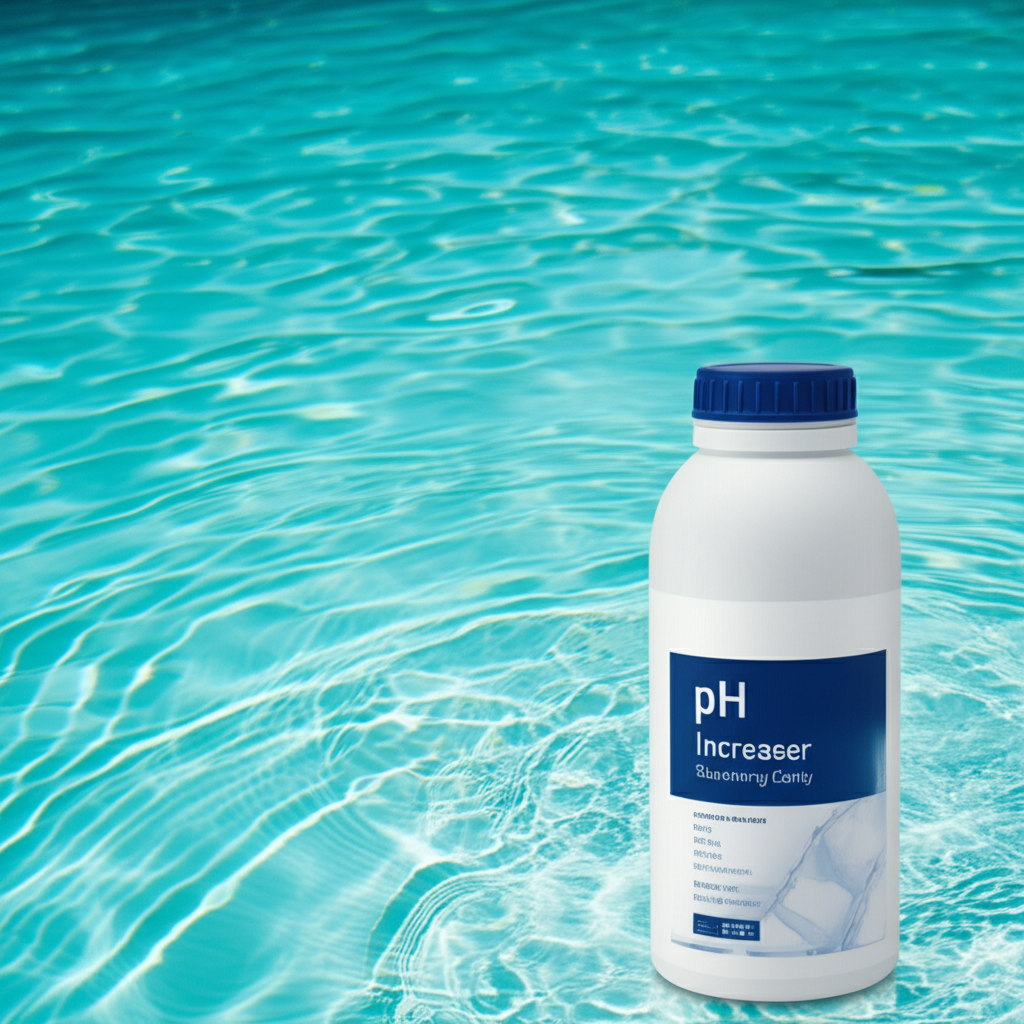
To bring up low pH, you’ll need a pH Increaser. The most common chemical used for this is soda ash (sodium carbonate).
How to Apply: Always dissolve the recommended amount of pH increaser in a bucket of water first to avoid localized high concentrations. With the pump running, slowly pour the diluted solution into the deep end of the pool or around the perimeter to aid even distribution.
Dosage: Follow the manufacturer’s instructions carefully. It’s better to add a little less than you think you need and retest, rather than overshooting the target.
Wait and Retest: Allow several hours (4-6 is often recommended, sometimes overnight) for the chemical to circulate and take effect before retesting your pH levels. You may need to repeat the process.
If Your pH is Too High (Above 7.6): Lowering the pH
When your pH is too high, you’ll need a pH decreaser. The two main options are muriatic acid (hydrochloric acid) or sodium bisulfate (dry acid).
Muriatic Acid: This is a powerful liquid acid and requires extreme caution. Always wear protective gloves, eyewear, and clothing. Dilute it by slowly pouring the acid into a bucket of water (never water into acid!) and then slowly add the diluted solution to the deep end of the pool with the pump running. Always add acid to water, not water to acid.
Sodium Bisulfate (Dry Acid): A safer, granular alternative to muriatic acid. It’s dissolved in water first, similar to soda ash, and then poured into the pool. It acts more slowly than muriatic acid but is generally preferred for ease and safety by many homeowners.
Dosage: Again, adhere strictly to the product’s instructions. Add in smaller increments to avoid over-correcting.
Wait and Retest: Give the chemicals ample time to circulate (usually 4-6 hours) and retest before adding more.
Beyond pH: The Symphony of Water Chemistry for Stunning Clarity
While pH is a critical player, it doesn’t work in isolation. For truly stunning clarity and a comfortable pool, you need to consider other interconnected water parameters:
Total Alkalinity (TA): Acts as a buffer for pH, preventing it from fluctuating wildly. The ideal range is 80-120 ppm. If TA is too low, pH will be unstable; if too high, pH can be difficult to adjust.
Calcium Hardness (CH): Prevents pool plaster and equipment from corroding (if too low) or scaling (if too high). The sweet spot is 200-400 ppm.
Sanitizer Levels: Maintaining proper chlorine (or other sanitizer) levels is essential to kill bacteria and algae, which directly impacts clarity and safety. pH influences how effectively your sanitizer works.
Filtration and Circulation: A well-maintained filter and consistent water circulation ensure chemicals are distributed evenly and contaminants are removed, contributing significantly to clarity.
Regular Cleaning: Brushing, vacuuming, and skimming debris remove organic matter that can throw off your water chemistry and cloud your water.
Maintaining Consistent Balance for Long-Term Enjoyment
The secret to effortless balance and stunning clarity isn’t a one-time fix but a commitment to consistent, proactive maintenance. Integrate pH testing and adjustments into your weekly pool care routine. Consider investing in an automatic chemical feeder if you have a larger pool or travel frequently, though manual adjustments remain perfectly manageable for most homeowners.
By understanding the importance of pool pH, performing regular tests, and knowing how to adjust your pH levels using a pH Increaser or decreaser, you gain control over your pool’s health. The reward is a sparkling, inviting haven that’s always ready for a refreshing dip, free from irritation, corrosion, and cloudy mystery water. Embrace the science, and your pool will consistently deliver on its promise of a perfect escape.