Leaf Removal: Stunningly Clean Pool
February 11, 2026
Pool Deep Clean: Stunning Results, Effortless Process
February 15, 2026
- The Foundation of Flawless Pool Maintenance (And Where It Crumbles)
- Common Pool Care Errors That Cost You Dearly
- 1. Neglecting Water Chemistry: The Silent Saboteur
- 2. Skimping on Filtration Time: A False Economy
- 3. Forgetting Filter Maintenance: The Invisible Roadblock
- 4. Ignoring Debris: Small Problems That Grow
- 5. Over-Shocking or Under-Shocking: Chemical Confusion
- 6. Delaying Minor Repairs: A Stitch In Time…
- 7. Improper Winterization: The Off-Season Trap
- How to Avoid Pool Problems and Achieve Crystal Clarity
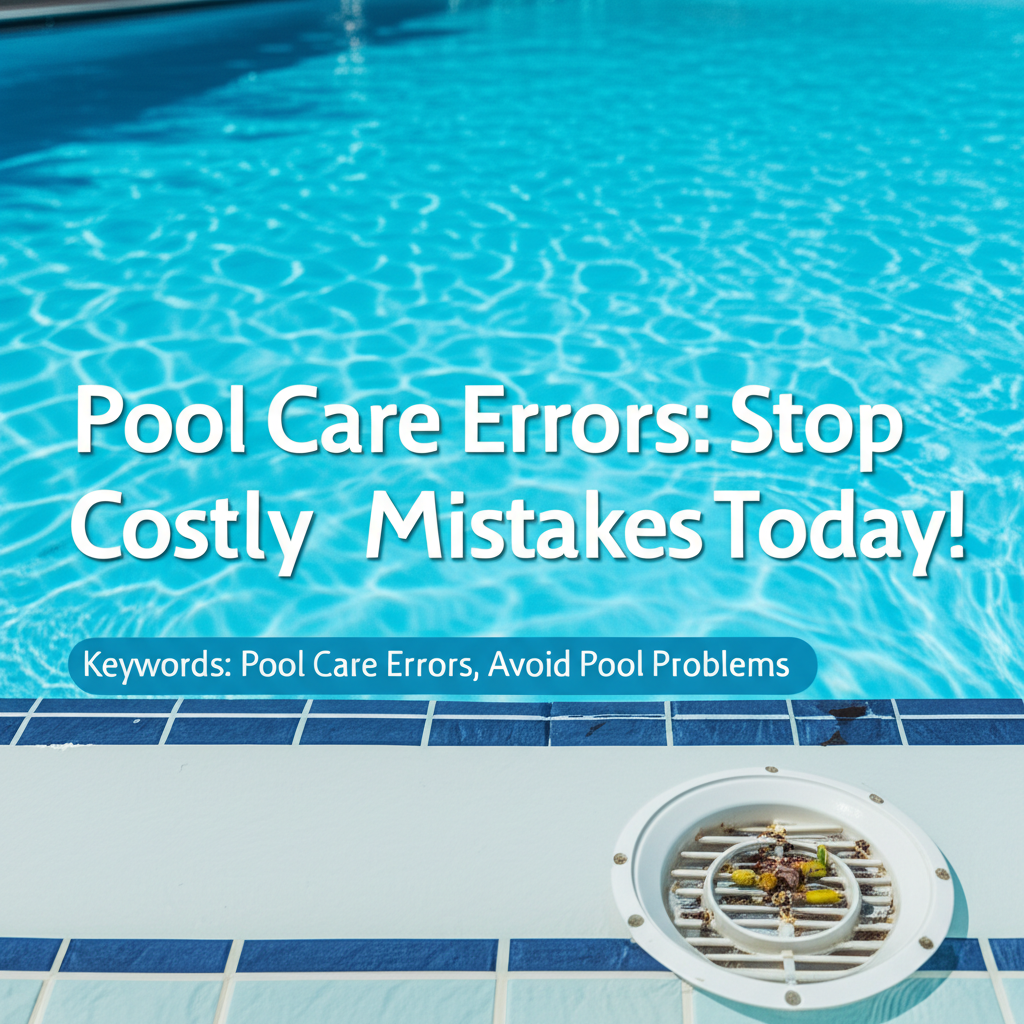
Pool Care Errors are more common than many pool owners realize, leading to frustrating issues, wasted money, and a less enjoyable swimming experience. Owning a pool is a dream for many, a personal oasis for relaxation and fun. However, maintaining that dream requires diligence, and unfortunately, even well-intentioned owners often fall prey to readily avoidable mistakes. These errors can range from minor oversights to significant blunders that compromise water quality, damage expensive equipment, and transform your backyard paradise into a costly headache. The good news is that by understanding these pitfalls, you can easily correct your course, prevent future problems, and ensure your pool remains sparkling clean and healthy year-round.
The Foundation of Flawless Pool Maintenance (And Where It Crumbles)
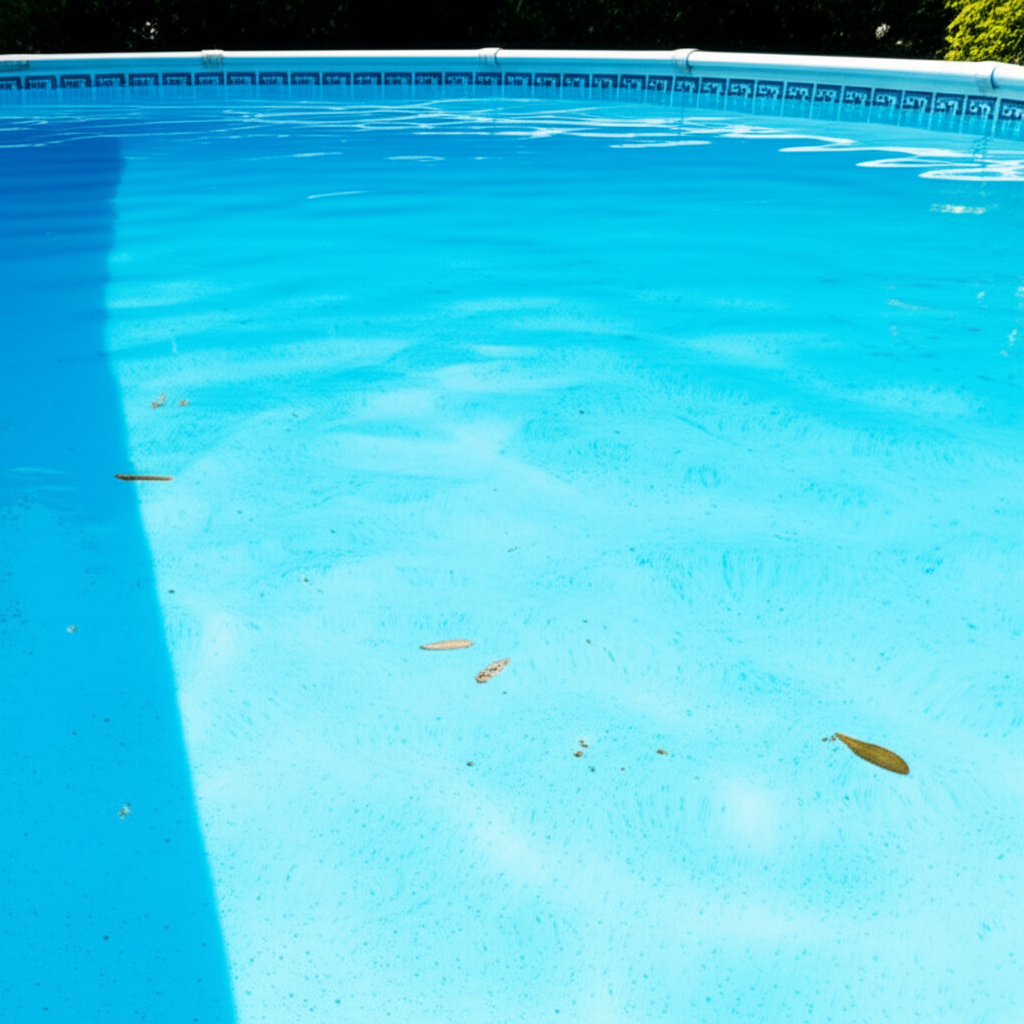
At its heart, good pool care is about consistency and understanding the interconnected systems that keep your water pristine. It’s not just about adding chemicals; it’s a holistic approach involving filtration, circulation, cleaning, and precise water chemistry. When one of these pillars falters, the entire system can quickly go awry. Many pool owners become overwhelmed or complacent, leading them down a path of reactive problem-solving rather than proactive prevention. Identifying common missteps is the first step toward correcting them and ensuring your pool operates at peak efficiency.
Common Pool Care Errors That Cost You Dearly
Let’s delve into the most prevalent pool care errors that can quickly inflate your maintenance budget and diminish your enjoyment.
1. Neglecting Water Chemistry: The Silent Saboteur
This is perhaps the biggest and most common mistake. Many pool owners don’t test their water frequently enough, or they use outdated/inaccurate test kits. Water chemistry is a delicate balance, and ignoring it can lead to a cascade of problems.
The Error: Failing to regularly test for pH, alkalinity, calcium hardness, and sanitizer levels (chlorine, bromine, etc.). Guessing chemical dosages.
The Cost: Unbalanced pH can cause skin irritation, eye discomfort, and corrosive damage to liners and equipment (if too low) or scale buildup (if too high). Low sanitizer levels lead to algae blooms and bacteria growth, requiring expensive shock treatments. High sanitizer levels can prematurely fade liners and cause discomfort.
The Fix: Invest in a reliable test kit (liquid drops or digital are best) and test your water 2-3 times per week. Adjust chemicals precisely according to manufacturer instructions and test results. Consistency is key here.
2. Skimping on Filtration Time: A False Economy
Some pool owners try to save on electricity by running their pool pump for fewer hours. While the intention is good, the outcome is usually negative.
The Error: Running the pump for only a few hours a day, or even less.
The Cost: Inadequate circulation means chemicals don’t distribute properly, and debris isn’t effectively removed. This leads to cloudy water, algae growth, and increased reliance on chemicals to fix preventable issues. Your pump also has to work harder to clear more contaminated water later.
The Fix: Most experts recommend running your pool pump 8-12 hours per day, especially during peak swimming season, to ensure all water is properly filtered and circulated. A good rule of thumb is to calculate how long it takes for all the pool water to pass through the filter once or twice a day.
3. Forgetting Filter Maintenance: The Invisible Roadblock
Your pool filter is the workhorse of your system, trapping debris and contaminants. But it can’t do its job if it’s dirty or damaged.
The Error: Not regularly cleaning (backwashing sand filters, rinsing cartridge filters) or inspecting the filter media.
The Cost: A dirty filter significantly reduces water flow, making your pump work harder, which consumes more electricity and can shorten its lifespan. It also leads to cloudy water and inefficient debris removal, promoting algae and bacteria. Eventually, a clogged filter becomes ineffective.
The Fix: Backwash sand filters weekly or bi-weekly (or when pressure rises). Clean cartridge filters every 4-6 weeks (or more often depending on usage). Replace filter sand every 5-7 years and cartridges every 1-3 years.
4. Ignoring Debris: Small Problems That Grow
Letting leaves, bugs, and other organic matter sit in your pool seems minor, but it’s a critical oversight.
The Error: Infrequent skimming, brushing, and vacuuming.
The Cost: Organic debris consumes your sanitizer, making it less effective against bacteria and algae. It can also stain pool surfaces, clog skimmers and the pump basket, and introduce phosphates – a primary food source for algae.
The Fix: Skim your pool daily. Brush walls and floor at least once a week. Vacuum weekly or bi-weekly. Investing in a robotic cleaner can automate this task and free up your time.
5. Over-Shocking or Under-Shocking: Chemical Confusion
Many pool owners use “shock” as a cure-all, but improper application can exacerbate problems.
The Error: Adding too much shock, too little shock, or shocking at the wrong time of day.
The Cost: Too much shock can lead to dangerously high chlorine levels, causing eye and skin irritation, and potentially bleaching vinyl liners. Too little shock is ineffective, leaving the underlying problem (algae, high chloramines) unresolved, requiring more chemicals later. Shocking during direct sunlight can degrade much of the chlorine before it has a chance to work.
The Fix: Always follow product instructions for dosage based on your pool size. Test your water first to understand the problem. Shock your pool in the evening to allow the chemicals to work overnight without degrading from UV rays.
6. Delaying Minor Repairs: A Stitch In Time…
Ignoring small issues with your pool’s infrastructure or equipment can quickly escalate.
The Error: Putting off fixing a small leak, a strange pump noise, a loose tile, or a crack in the plaster.
The Cost: A small leak can waste thousands of gallons of water and potentially undermine pool decks or foundations. A strange pump noise can indicate a bearings issue that, if ignored, leads to complete pump failure. Minor cracks can expand, requiring extensive and expensive resurfacing.
The Fix: Be vigilant for any changes in your pool’s performance or appearance. Address minor repairs promptly. It’s significantly cheaper to fix a small problem now than a major one later. Consider professional inspection for persistent issues.
7. Improper Winterization: The Off-Season Trap
For those in colder climates, how you close your pool for winter is crucial.
The Error: Rushing winterization, neglecting to balance chemicals, not adequately draining lines, or using an insufficient cover.
The Cost: Incorrect chemical balance can lead to severe algae blooms when you open the pool in spring. Water left in pipes can freeze and burst, causing expensive plumbing repairs. A poor cover allows debris in, making spring cleanup a nightmare.
The Fix: Thoroughly clean and balance your water chemistry before closing. Use appropriate winterizing chemicals. Professionally drain all lines and plug them to prevent freeze damage. Invest in a durable, well-fitting winter cover.
How to Avoid Pool Problems and Achieve Crystal Clarity
The path to a pristine pool and saved money is through proactive, consistent care. Here are key strategies to avoid pool problems:
Establish a Routine: Create a daily, weekly, and monthly checklist for pool tasks. Stick to it.
Educate Yourself: Understand the basics of water chemistry and how your equipment works.
Invest in Quality: A good test kit, reliable chemicals, and sturdy cleaning tools pay for themselves over time.
Listen to Your Pool: Pay attention to clarity, how chemicals are consumed, and any unusual sights or sounds.
Don’t Overlook the Basics: Regular skimming, brushing, and vacuuming are foundational.
* Seek Professional Advice: If you’re unsure about a problem or overwhelmed, consult a certified pool technician. Their expertise can save you from costly DIY mistakes.
By addressing these common pool care errors head-on, you’re not just preventing future headaches; you’re safeguarding your investment and ensuring your pool remains a source of joy and relaxation for years to come. Stop costly mistakes today and reclaim your perfect backyard oasis!