Pool Deck: Stunning Cleaning Made Effortless
January 30, 2026
Skimmer Basket: Ultimate, Easy Pool Skimmer Care
February 2, 2026
- Understanding the Factors Driving Water Evaporation
- Proactive Strategies to Combat Water Evaporation
- The Power of Pool Covers: Your First Line of Defense Against Water Evaporation
- Wind Breaks: Creating a Shield
- Optimizing Pool Water Temperature
- Smart Practices for Everyday Pool Management
- Maintaining Optimal Pool Water Levels
- Moderating Water Feature Usage
- Promptly Addressing Leaks
- Long-Term Benefits of Evaporation Control
Water Evaporation is an inevitable natural process that significantly impacts pool owners worldwide. It’s the silent thief of precious resources, steadily siphoning off thousands of gallons of water, expensive chemicals, and hard-earned money from your budget each year. Understanding the dynamics of this process and implementing effective strategies is crucial for maintaining a healthy, cost-efficient, and environmentally friendly swimming pool. This article will explore the ultimate ways to save pool water, transforming your approach from reactive refilling to proactive conservation.
Understanding the Factors Driving Water Evaporation
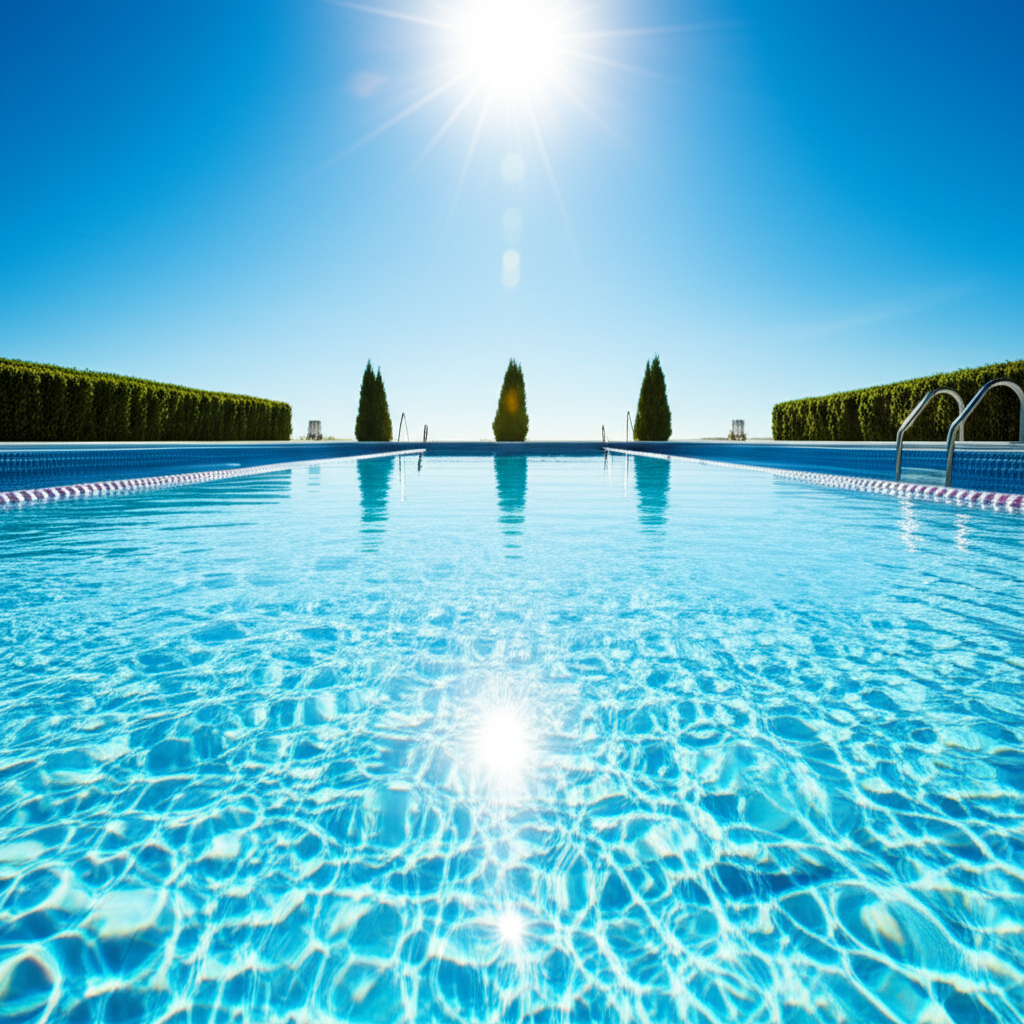
Before diving into solutions, it’s essential to grasp what influences the rate of water loss from your pool. Several environmental and operational factors play a significant role:
Wind Speed: This is arguably the biggest culprit. Even a gentle breeze can dramatically accelerate evaporation by continuously moving away the moist air directly above the pool’s surface, allowing drier air to replace it.
Air Temperature: Warmer air can hold more moisture. When the ambient air temperature is high, water molecules at the pool’s surface gain more energy, increasing their likelihood of escaping into the atmosphere.
Water Temperature: Unsurprisingly, warmer pool water evaporates faster than cooler water. Heating your pool, while beneficial for comfort, contributes directly to increased evaporation.
Humidity: The drier the air (lower humidity), the greater the capacity for it to absorb moisture from your pool. Conversely, high humidity can slightly slow down evaporation.
Surface Area: The larger the exposed surface area of your pool, the more water molecules are available to escape, leading to greater overall water loss.
Water Features: Fountains, waterfalls, deck jets, and other aerating features, while aesthetically pleasing, dramatically increase the water’s surface area exposed to the air, thus escalating evaporation.
All these factors collectively contribute to a noticeable drop in your pool water level, necessitating frequent topping off.
Proactive Strategies to Combat Water Evaporation
Effectively tackling evaporation requires a multi-pronged approach, combining smart technology with sensible habits.
The Power of Pool Covers: Your First Line of Defense Against Water Evaporation
Nothing beats a physical barrier for direct evaporation control. Pool covers are by far the most effective tool in your arsenal.
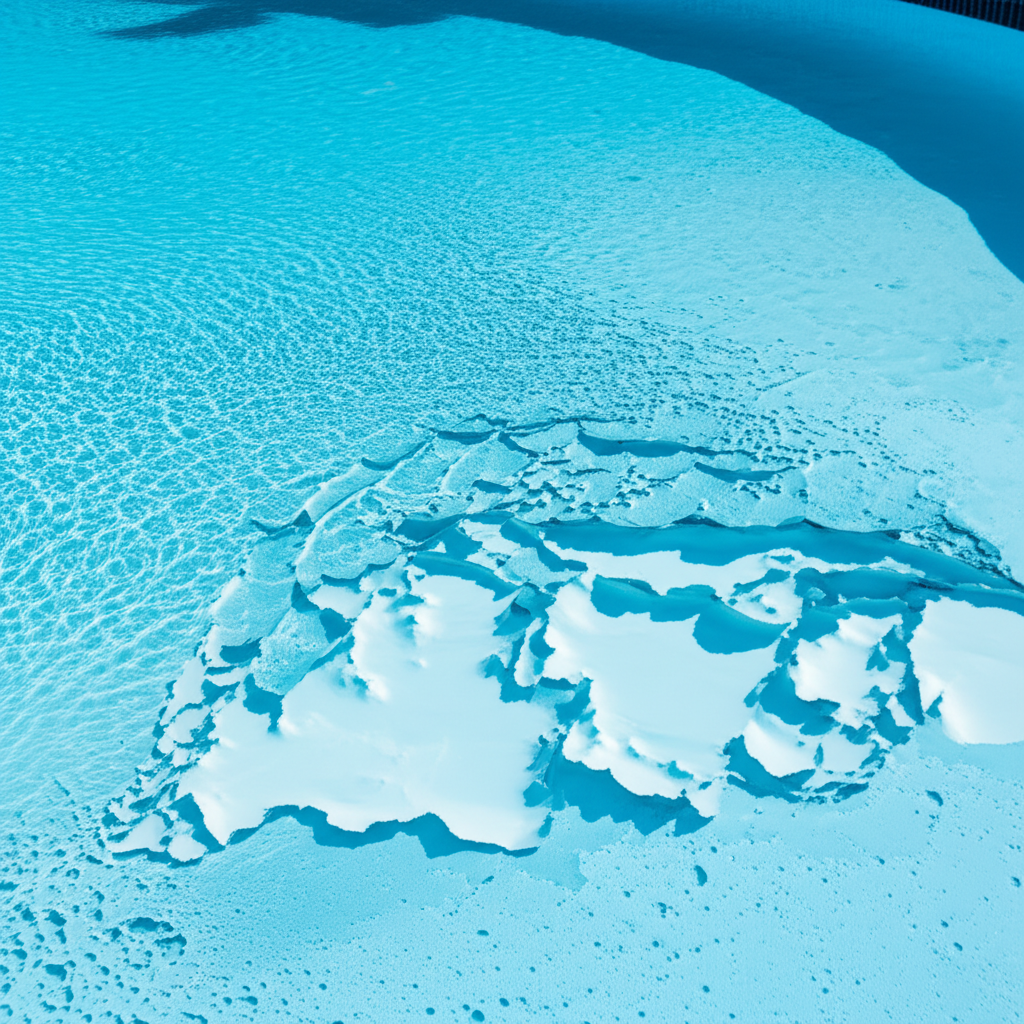
Solar Blankets/Covers: These inexpensive covers float directly on the water’s surface. They are excellent at trapping heat absorbed from the sun, reducing heating costs, and, critically, acting as a direct barrier against evaporation. Studies show they can reduce evaporation by 70-90%.
Automatic and Manual Safety Covers: Beyond their primary role in safety and debris prevention, these covers offer superior evaporation control. They create a complete seal over the pool, virtually eliminating water loss when closed. While a larger investment, they also save significantly on heating and chemical costs.
Liquid Solar Covers: For those who find traditional covers inconvenient, liquid solar covers offer an intriguing alternative. These products release an ultra-thin, invisible monolayer of alcohol (like stearyl alcohol) onto the water’s surface. While not as effective as physical covers (typically reducing evaporation by 30-50%), they are continuous and require no manual placement.
Wind Breaks: Creating a Shield
Remember wind’s significant role in evaporation? Mitigating its impact can make a noticeable difference.
Strategic Landscaping: Planting hedges, shrubs, or installing solid fences around your pool area can create an effective windbreak. Position them on the prevailing wind side of your pool. Ensure they are tall enough to disrupt airflow over the water’s surface but don’t cast unwanted shade.
Perimeter Walls: A decorative wall or a section of a building can also serve as an excellent windbreak, offering a more permanent solution than landscaping.
Optimizing Pool Water Temperature
While a warm pool is inviting, every degree higher directly translates to increased evaporation.
Set a Sensible Temperature: Unless you have specific comfort needs, consider lowering your pool’s thermostat by a degree or two. You might not notice the difference in comfort, but your water bill will.
Turn Off Heaters When Not in Use: If you’re going away for a few days or won’t be using the pool, turn off the heater. This not only saves energy but also significantly reduces evaporation during periods of inactivity.
Smart Practices for Everyday Pool Management
Beyond covers and windbreaks, daily habits can also contribute to substantial water savings.
Maintaining Optimal Pool Water Levels
While paradoxical, preventing your pool water level from dropping too low or getting too high is important.
Prevent Splash-Out: During vigorous play, significant water can exit the pool. While some splash-out is inevitable, reminding children (and adults!) to be mindful can help. For pools with water features, ensure they are designed to minimize splash-out onto surrounding decking.
Don’t Overfill: Keeping the water level too high increases the chance of minor splash-out over the coping simply from movement within the pool. Aim for the manufacturer’s recommended mid-skimmer level.
Moderating Water Feature Usage
Deactivate Features When Not in Use: Fountains, waterfalls, and other aerating features are beautiful but are massive evaporation accelerators. Turn them off when the pool is not actively being used, especially overnight or when you’re away.
Promptly Addressing Leaks
While not strictly evaporation, undetected leaks are a common cause of excessive water loss often mistaken for evaporation.
Conduct Regular Leak Tests: If your pool water level seems to be dropping more than expected, perform a bucket test. Place a bucket of water (weighted so it doesn’t float away) on a step, with the water level inside the bucket matching the pool’s water level. After 24 hours, compare the water loss in the pool versus the bucket. If the pool lost significantly more, you likely have a leak.
Inspect Plumbing and Equipment: Regularly check around your pump, filter, and heater for any visible dripping or wet spots. Even small leaks can add up to significant water waste over time.
Long-Term Benefits of Evaporation Control
Implementing these strategies offers far-reaching benefits beyond just saving water:
Significant Cost Savings: Less refilling means lower water bills. Reduced evaporation also means fewer chemicals are lost to the atmosphere, translating to savings on sanitizers, pH balancers, and more. If you heat your pool, a cover will dramatically cut your energy costs.
Consistent Water Chemistry: With less water evaporating, your chemicals remain more concentrated in your pool, making it easier to maintain balanced water chemistry and reducing the need for constant adjustments.
Less Time and Effort: Fewer top-offs and chemical adjustments free up your valuable time, allowing you to enjoy your pool more and work on it less.
Environmental Responsibility: Conserving water is an eco-friendly practice that benefits the wider community and reduces strain on local water resources.
By understanding the forces behind water evaporation and adopting a comprehensive strategy incorporating covers, windbreaks, smart habits, and vigilance against leaks, you can dramatically reduce your pool’s water consumption. These ultimate ways to save pool water not only protect your budget but also contribute to a more sustainable and enjoyable swimming experience for years to come.