
Pool Energy Efficiency: Ultimate Effortless Savings
January 7, 2026
- Why Easy Pool Maintenance is Essential
- The Core Pillars of Simple Pool Maintenance
- 1. Circulation: Keeping Your Water Moving
- 2. Cleaning: The Visual Appeal
- 3. Chemistry: The Invisible Guardian
- Going Beyond the Basics: Less Frequent Tasks
- Establishing Your Easy Pool Care Routine
- Conclusion
Pool Care: Your Ultimate Guide to Easy Maintenance
Pool Care can often seem like a daunting task, conjuring images of complex chemistry, endless scrubbing, and constant worry. However, with the right approach and a few simple habits, maintaining a sparkling clean and healthy pool can be surprisingly easy and even enjoyable. This article will demystify the process, providing you with practical, straightforward tips to ensure your ultimate easy pool maintenance experience. Forget the stress; embrace the splash!
Why Easy Pool Maintenance is Essential
A well-maintained pool isn’t just about aesthetics; it’s crucial for safety, longevity, and your enjoyment. Neglecting your pool can lead to costly repairs, unhealthy swimming conditions, and a murky, uninviting oasis. By adopting a proactive, easy approach, you not only save time and money in the long run but also guarantee a consistently pristine swimming environment for family and friends. The secret lies not in doing more, but in doing the right things consistently.
The Core Pillars of Simple Pool Maintenance
Mastering easy pool maintenance revolves around three primary areas: circulation, cleaning, and chemistry. Tackle these effectively, and you’re well on your way to hassle-free pool ownership.
1. Circulation: Keeping Your Water Moving
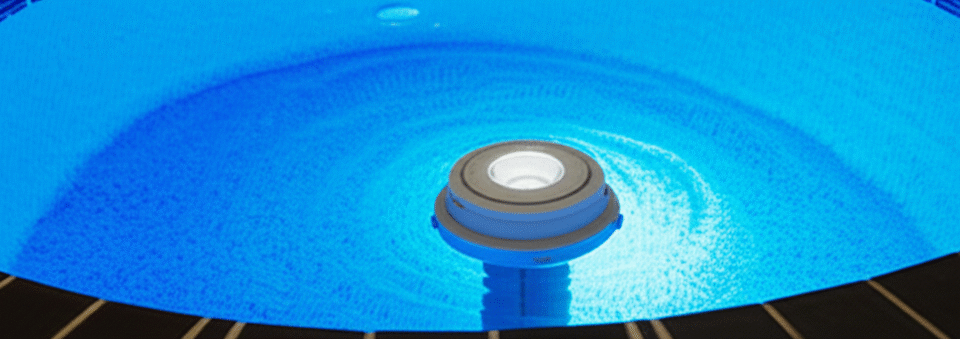
The pump and filter system are the heart of your pool’s health. Proper circulation is fundamental for distributing chemicals evenly and removing debris.
Run Your Pump Adequately: A general rule of thumb is to run your pump for 8-12 hours per day, ideally during off-peak electricity hours. This ensures all your pool water cycles through the filter at least once. Adjust based on pool usage, weather, and bather load.
Keep Filters Clean: Your filter captures debris and contaminants. Regularly clean or backwash your filter according to manufacturer instructions. A dirty filter reduces efficiency, putting strain on your pump and leading to cloudy water.
2. Cleaning: The Visual Appeal
Maintaining a clean pool visible to the eye prevents larger problems and keeps your pool inviting.
Skim Daily: Use a leaf net to remove surface debris like leaves, bugs, and pollen. This simple daily habit prevents organic matter from sinking and breaking down, which can consume your sanitizer and contribute to algae growth.
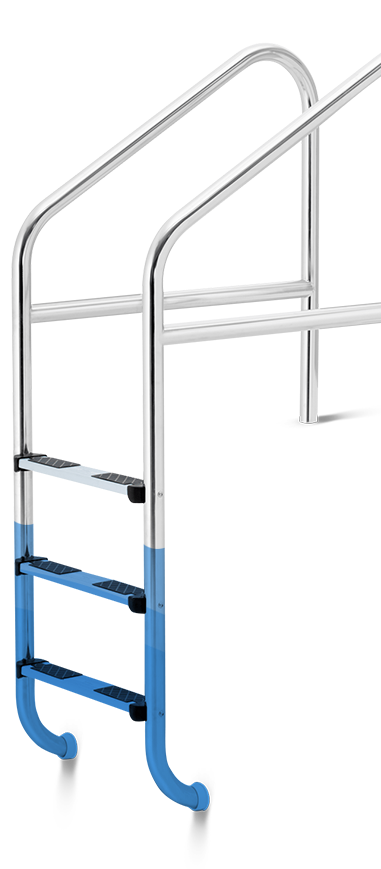
Brush Weekly: Brush the walls, floor, and steps of your pool. This dislodges dirt, algae spores, and prevents build-up, especially in hard-to-reach areas where circulation might be poor. Pay special attention to corners and around ladders.
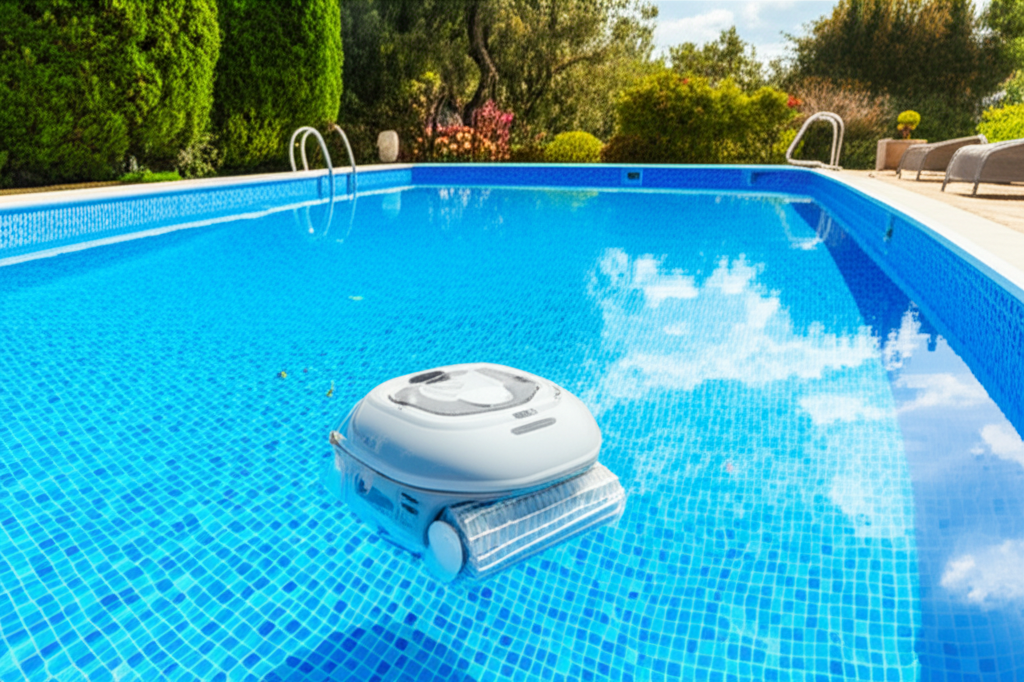
Vacuum Weekly (or as needed): Whether you use a manual vacuum, a suction-side cleaner, or a robotic vacuum, regular vacuuming removes settled dirt and debris from the pool floor. Robotic cleaners are a fantastic investment for truly effortless daily cleaning.
3. Chemistry: The Invisible Guardian
This is often where people get intimidated, but pool chemistry, when simplified, is manageable with regular checks and adjustments. Consistent monitoring is key to easy pool care.
Test Your Water Regularly: Aim to test your pool water 2-3 times per week, especially during heavy usage or after rain. Use reliable test strips or a liquid test kit. Key parameters to monitor are:
pH (7.4-7.6): This measures acidity/alkalinity. Incorrect pH impacts sanitizer effectiveness and can cause skin/eye irritation or corrosive conditions.
Total Alkalinity (TA) (80-120 ppm): TA acts as a buffer, preventing drastic pH swings.
Chlorine (1-3 ppm): Your primary sanitizer, chlorine kills bacteria and algae.
Calcium Hardness (CH) (200-400 ppm): Prevents plaster damage or scaling.
Adjust Chemicals as Needed: Based on your test results, add appropriate chemicals (pH increaser/decreaser, alkalinity increaser, chlorine, etc.) in small increments, allowing the water to circulate before retesting. Always follow product instructions carefully.
Sanitize Consistently: Maintain a steady chlorine level using tablets in a feeder, granular chlorine, or a salt chlorine generator. Consistency prevents algae and bacteria from taking hold.
Going Beyond the Basics: Less Frequent Tasks
While daily and weekly tasks form the backbone of easy pool maintenance, a few less frequent actions further simplify the process.
Shock Your Pool: “Shocking” involves adding a super dose of sanitizer to break down chloramines (spent chlorine that causes eye irritation and chlorine smell) and kill resistant algae or bacteria. Do this weekly or bi-weekly, especially after heavy use, storms, or if your pool chemistry is off.
Clean Your Waterline: A scum line can build up around the waterline from body oils, sunscreens, and environmental pollutants. Use a pool-specific cleaner and a soft brush or sponge to keep it pristine.
Inspect Equipment: Periodically check your pump, filter, heater, and other equipment for leaks, unusual noises, or wear and tear. Early detection can prevent costly breakdowns.
Establishing Your Easy Pool Care Routine
The secret to easy pool maintenance is establishing a consistent, simple routine. Turn these tasks into habits, and you’ll spend less time troubleshooting and more time enjoying.
Daily:
Skim surface debris.
Check pump/filter operation.
Visually inspect water clarity.
2-3 Times Per Week:
Test water chemistry (pH, alkalinity, chlorine).
Adjust chemicals as needed.
Weekly:
Brush pool walls and floor.
Vacuum the pool.
Empty skimmer and pump baskets.
Clean waterline.
Consider shocking the pool.
Monthly/As Needed:
Backwash or clean your filter.
Test calcium hardness.
Inspect equipment.
Conclusion
Achieving ultimate easy pool maintenance isn’t about magic; it’s about consistency, understanding the basics, and establishing a workable routine. By dedicating a small amount of time regularly to circulation, cleaning, and chemistry, you can avoid common problems like green water, cloudy conditions, and equipment failures. Embrace these simple habits, and you’ll find that pool care transforms from a chore into a rewarding part of pool ownership, leaving you with more time to relax and dive into the refreshing waters of your perfectly maintained backyard oasis.